


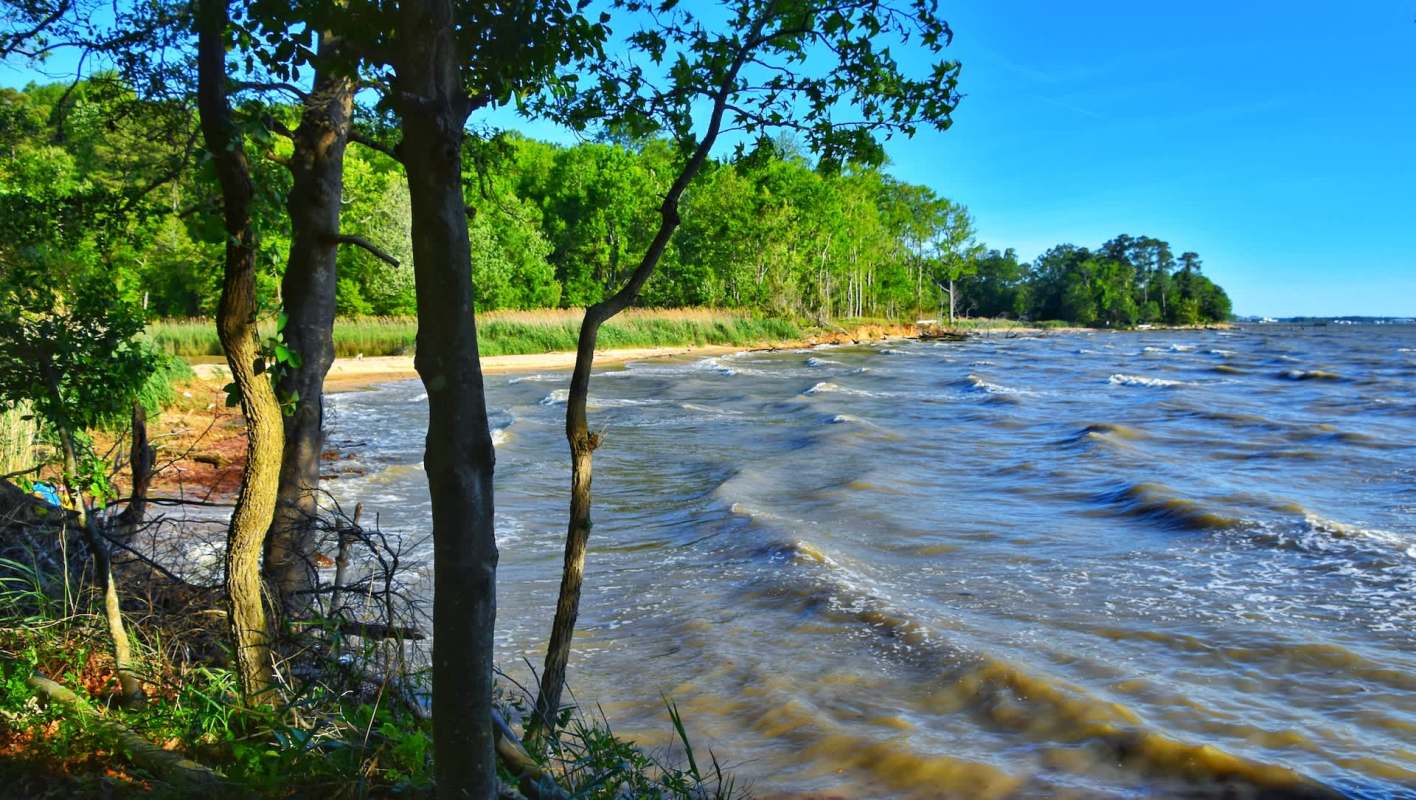
The blue catfish never belonged in the Chesapeake Bay, and locals are taking a delicious approach to dealing with the problem.
The fish was first introduced to Virginia's James River in the 1970s as a trophy catch, but it has since spread through the Bay, eating blue crabs, oysters, and rockfish along the way.
State and federal officials are joining forces to encourage the public to simply eat them, according to the Baltimore Sun.
"It's a fascinating story with lots of subplots," said Sen. Chris Van Hollen, per the publication, describing how the campaign is uniting policymakers, watermen, and chefs in a shared effort to restore ecological balance to the Bay.
The U.S. Department of Agriculture has committed $8 million in total to support Maryland's blue catfish industry. That breaks down into $6 million to expand seafood processing and another $2 million to purchase catfish for schools and food assistance programs.
At Tilghman Island Seafood, the only USDA-certified blue catfish processor, owner Nick Hargrove said the company handles roughly 20,000 pounds of fish daily, ultimately providing jobs while protecting native species.
TCD Picks » Quince Spotlight
💡These best-sellers from Quince deliver affordable, sustainable luxury for all




"This business is not only supporting watermen's livelihoods, it's proof that we can build an economy around a challenge that we all need to work together to address for the Bay we love," Hargrove told the Sun.
Invasive species, or non-native animals like the blue catfish, can wreak havoc on local ecosystems by outcompeting native species for food and habitat. These disruptions affect biodiversity, water quality, and even local economies that depend on healthy fisheries.
Managing invasive species often requires turning them from a threat into a resource — exactly the approach Maryland is taking.
The challenge of removing invasive species is also tied to underlying environmental pressures. According to the UN, rising global temperatures are worsening biodiversity loss, which makes it easier for invasive species to spread, since warmer waters and disrupted habitats give them new opportunities to thrive.
|
Should the government be allowed to ban certain plants? Click your choice to see results and speak your mind. |
 Definitely 👍
 The UN noted that protecting ecosystems through restoration and sustainable resource use is key to maintaining balance amid the shifting climate.
The blue catfish conservation project represents the power of local action together with federal or state support. Another example of this is the successful management of feral swine in the southeastern U.S. by researchers using science-backed removal strategies. Maryland is implementing similar methods alongside community awareness.
For Maryland, the plan to "eat our way out" of an invasive problem is paying off. Restaurants such as Macky's Bayside Bar & Grill in Ocean City now feature fried catfish tacos and po' boys that have become their top-selling dishes.
"Guests rave about them in person and in online reviews," said Nicole Gensoli from Highwater Management, which is a representative for the restaurant.
Individuals can take local action by supporting regional initiatives, volunteering, and purchasing sustainably sourced foods that help protect native ecosystems.

Join our free newsletter for easy tips to save more and waste less, and don't miss this cool list of easy ways to help yourself while helping the planet.







