


Grocery prices have risen 29% since February 2020, and there is no end in sight for food inflation, as reported by NPR. Everyone from single professionals to retirees is feeling the pinch, and many are looking for help with accessing healthy food.
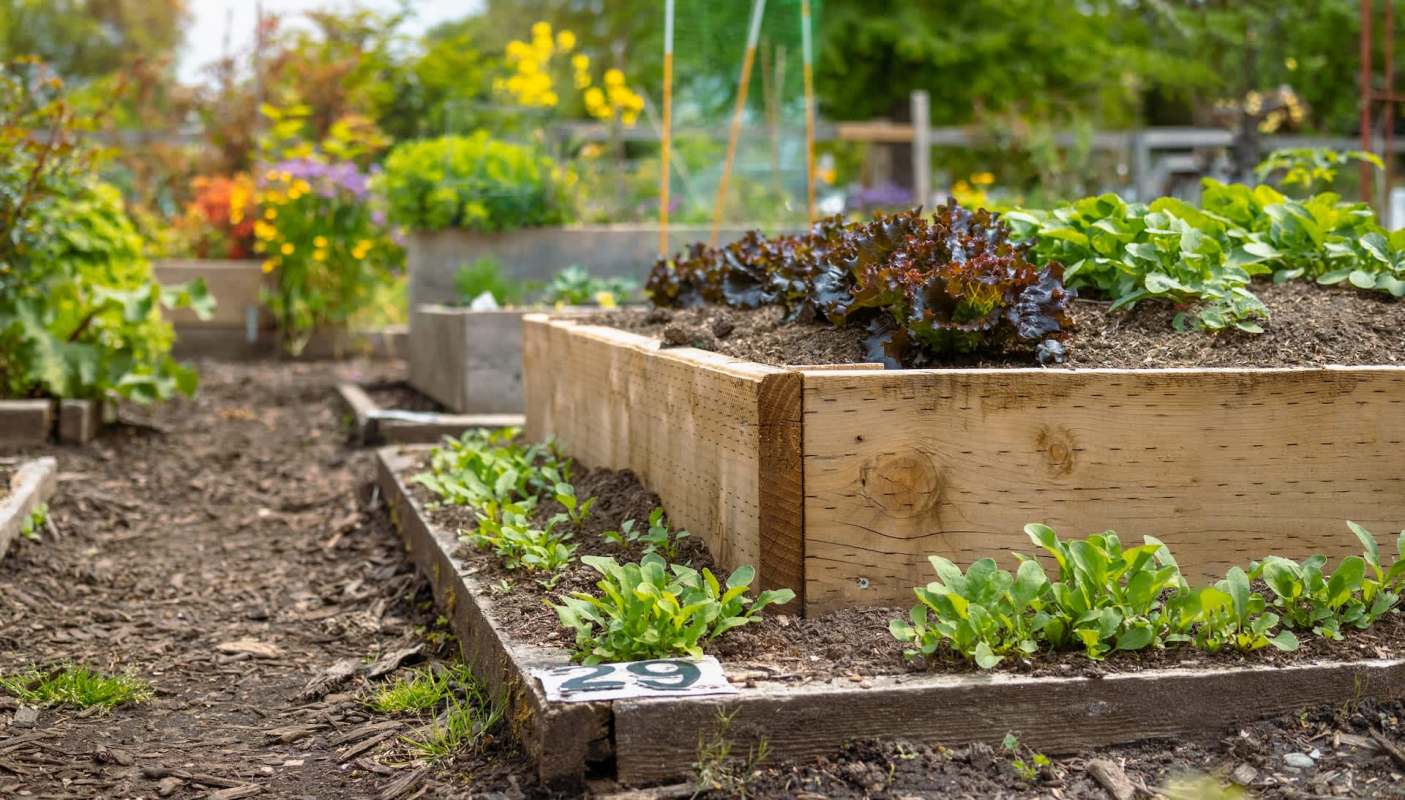
Shenandoah Community Garden, a 24-hour community garden in Page County, Virginia, is stepping in to support its local citizens.
Everything in the garden is free, but there is one requirement. Everyone must weigh their veggies and write them down so the garden managers can track production and how many people it is feeding. This information is not only beneficial for resource management but also for attracting funding.
The garden is carefully labeled to help visitors know when the food is ripe for picking. Recently, they have offered corn, tomatoes, sage, and basil.
"We always have signs to identify what's growing. There's a QR code on the back to help them understand when to pick, when to harvest," volunteer Lauren Allen said to the Daily-News Record.
The garden also sources additional produce from local food banks to round out its offerings. On special occasions, volunteers will also hand out food-producing plants for free.
TCD Picks » Quince Spotlight
💡These best-sellers from Quince deliver affordable, sustainable luxury for all




The Shenandoah Community Garden is a joint effort between many organizations in Shenandoah: the town of Shenandoah, Community Works, Virginia Cooperative Extension, Master Gardeners, Valley Health, and Page Alliance for Community Action.
The gardeners ensure that they never use any chemicals to grow the food and protect the plants from insects via nets and other natural barriers.
The volunteers love to organize school field trips to educate children about gardening. "The funnest part is watching the kids figure out that potatoes come from under the dirt. Whatever the little light-bulb moments are for kids, that's my favorite part of this garden," Allen said.
When the cost of living outprices local income, it's more important than ever that our cities and non-profits help support our necessities, like healthy food. Community gardens can also reduce the carbon footprint of a city, as they can cut down the local demand for mass-produced produce.
Lauren Allen loves the significant impact the garden is making in her community. "I like that we're trying to grow food for our neighbors. I see a lot of families with kids, and I see a lot of seniors."
|
What is the biggest reason you don't grow food at home? Click your choice to see results and speak your mind. |
 Not enough time ⏳
Join our free newsletter for easy tips to save more and waste less, and don't miss this cool list of easy ways to help yourself while helping the planet.







