


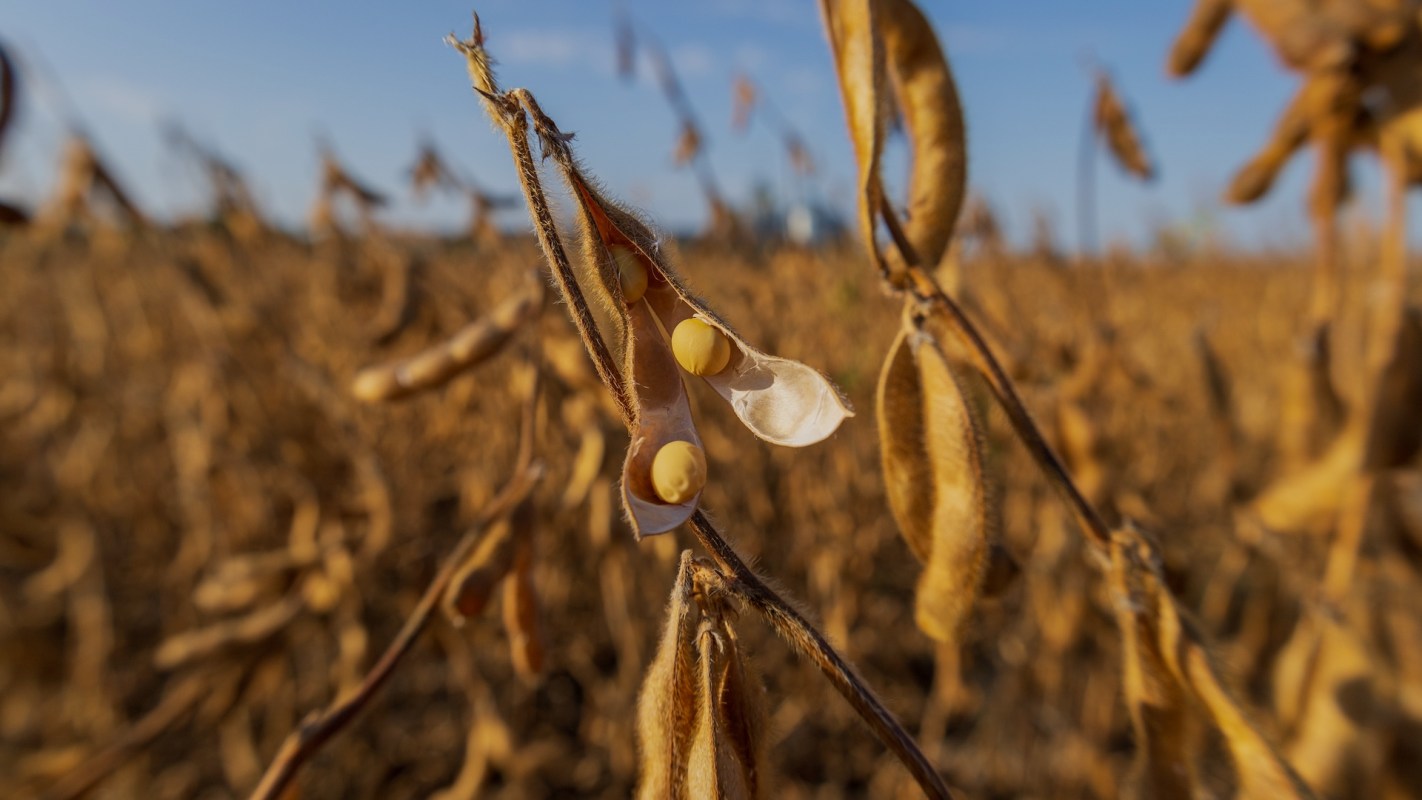
Droughts are worsening in Alabama and impacting the lives and crop production of local farmers.
Meager, sporadic rains aren't enough to support their businesses and the global food supply.
What's happening?
As WSFA reported, the Alabama Emergency Management Agency has declared parts of western Alabama to be in an "extreme drought."
However, every county in Alabama is experiencing abnormally dry conditions, and farmers across the state are struggling.
One fourth-generation farmer, Wendy Yeager, planted five different crops but expressed her frustration at trying to feed more people on fewer acres of land each year because of severe droughts.
"To a farmer who is trying to make ends meet and pay the bills, this is not what we need," Yeager said. "You still see a lot of gaps, and we don't want to see gaps in that stalk."
TCD Picks » Quince Spotlight
💡These best-sellers from Quince deliver affordable, sustainable luxury for all




Even when rain does occur, it's no longer enough to make a difference for local crops. Farmers' profits are dwindling despite many receiving federal aid from the Supplemental Disaster Assistance Program to compensate for drought-related losses.
Why are droughts significant in agriculture?
Severe and prolonged droughts are among the most obvious and concerning signs of our globally changing climate. As temperatures increase worldwide and weather patterns shift, water supplies are depleted, leading to agricultural losses.
These climate-related challenges disrupt water cycles and contribute to water scarcity, which directly impacts farmers' ability to grow food. Droughts negatively impact the livelihood of farmers because of reduced crop yields and quality, increased costs for irrigation, and entire crop failures.
The broader impacts include reduced availability of healthy food and higher grocery costs for consumers.
|
Do you think fracking should be illegal in America? Click your choice to see results and speak your mind. |
 Yes — everywhere 👏
 What's being done to help farmers deal with droughts?
Farmers have been taking extra measures to adapt to droughts, such as conserving water to reduce moisture loss, implementing soil management practices to retain more water, and adopting crop rotation.
Meanwhile, government assistance programs like one in Alabama can help farmers implement drought-resilient practices, such as switching to drought-resistant crops and adopting efficient irrigation methods. Technology is also advancing to help farmers better monitor weather patterns to make timely agricultural decisions and monitor soil moisture to manage irrigation more effectively.
Even if you're not a farmer by profession, you can help by learning more about the critical climate issues that cause droughts and sharing what you learn with others. Embracing cost-saving, planet-friendly home upgrades, like installing solar panels, also sets a positive example of how to live sustainably while contributing less to climate damage.
When you're ready to upgrade, EnergySage can help you save up to $10,000 on the upfront cost of going solar by comparing local installer quotes.
You can also support local agriculture by shopping at farmers markets when possible and purchasing products from farms that use water-wise practices and prioritize conservation.

Join our free newsletter for good news and useful tips, and don't miss this cool list of easy ways to help yourself while helping the planet.






