


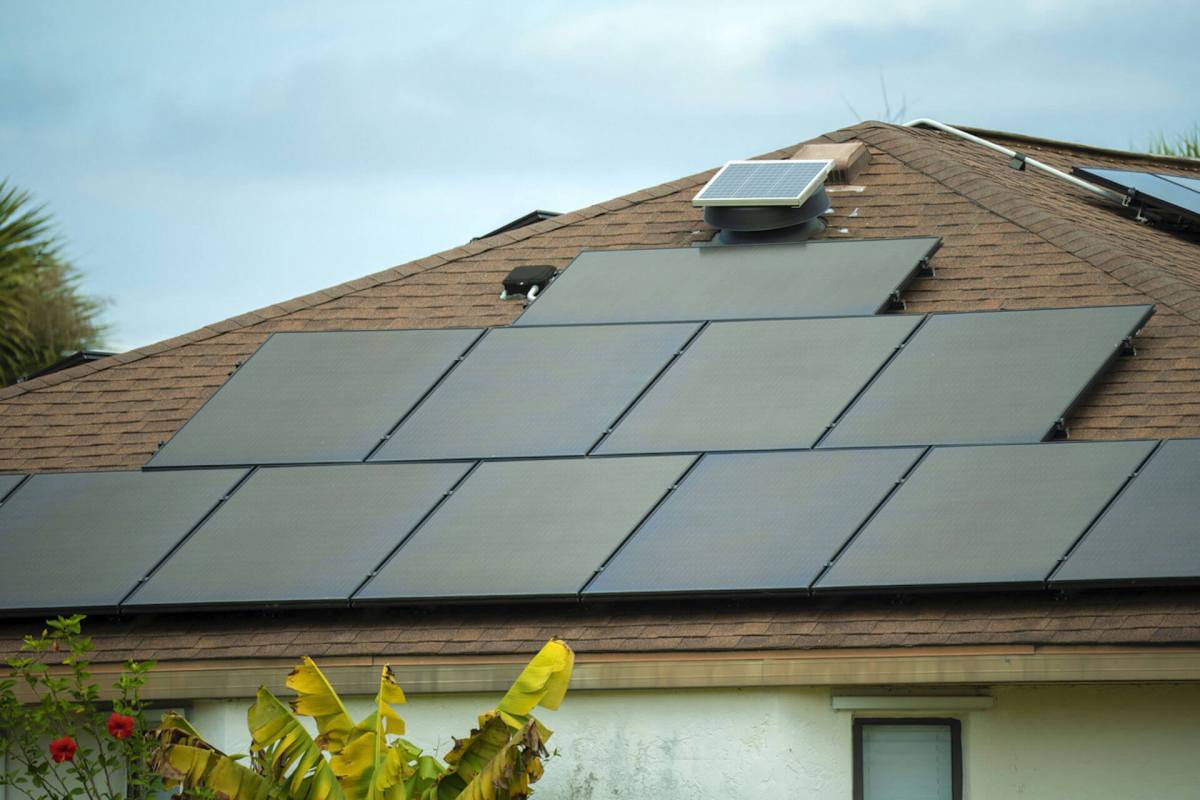
One frustrated homeowner has generated an online conversation about why it's so difficult for Americans to plug in small, affordable solar panels — even though they could help save money and ease strain on the nation's overtaxed power grid.
In a post to Reddit's r/SolarDIY forum, the user pointed out that the U.S. has roughly 57 gigawatts of potential "balcony solar" capacity, panels that can be placed on porches, decks, and apartment balconies, then plugged directly into a wall outlet. For comparison, the nation had about 239 gigawatts of total solar installed at the end of 2024, per the Solar Energy Industries Association.
"It's as easy as buying a kit from Home Depot or Harbor Freight, and then plugging it [into] a wall outlet," the OP explained. "However, there's a catch. It's currently only legal in Utah. In the other 49 states, it is legally grey or illegal."
They added that, "To me this seems like a no brainer and should be pushed through every state government … This will allow homeowners to reduce their reliance on utilities, mitigate blackouts with backup battery balcony solar combos, and reduce the overall burden on the utilities."
Crushed by your bills? See instant solar savings from vetted installers in just a few clicks With energy prices through the roof, there's never been a better time to go solar — and EasyHome can help you find the best prices from the best installers in your area. EasyHome takes the guesswork and headaches out of energy upgrades by showing you estimated savings from a network of vetted local partners. To get started, just enter your ZIP and share a few details about your home — seeing your estimate is really that easy. |

For now, Utah is the only state with clear rules, capping plug-and-play systems at 1.2 kilowatts. Vermont and New Hampshire are considering similar measures, according to Mother Jones — but elsewhere, homeowners are left in the lurch.
Several commenters agreed that the current situation makes little sense.
"It would also help lower [the] cost of professional installs. 1.2kw isn't enough to offload 100%, but it's enough to offset a lot of daytime running and people can DIY it for less than $1 a watt, possibly 50 cents per watt. They'd have to compete against that," shared one person.
"The United States National Electrical Code (NEC) specifically forbids the use of plug-in grid-tie inverters. This is what is known as 'regulatory capture' and in this instance, the U.S. is one of the very few nations in the world that maintains such regulatory prohibitions," offered another.
"Christopher Pielli, PA State Representative … is reportedly leading plug-in solar legislation in Pennsylvania," another Redditor said, referring to a recent memo.
There's no doubt that going solar is one of the best ways to slash energy bills and reduce the pollution overheating our planet. Homeowners looking for a full rooftop system can use EnergySage's free tools to compare local installers and get quick quotes. With federal tax credits covering 30% of costs through the end of 2025, acting now could mean saving thousands on a system that pays for itself over time.
|
Which of these factors is the biggest obstacle preventing you from getting solar panels? Click your choice to see results and speak your mind. |
 The upfront cost 💰
Installing solar panels could bring your home's energy costs down to nothing, and EnergySage's mapping tool helps you see average system costs and incentives in your state, with its free comparison tool helping households save up to $10k on installations. For those who prefer not to buy, the LightReach program by Palmetto lets owners lease panels for $0 down, locking in low energy rates.
Pairing the power and convenience of solar with energy-efficient appliances like heat pumps can supercharge the savings, and Mitsubishi helps to connect homeowners with affordable options that are gentler on the environment.
More From EnergySage
💡Go deep on the latest news and trends shaping the residential solar landscape


Join our free newsletter for good news and useful tips, and don't miss this cool list of easy ways to help yourself while helping the planet.






