


As the global population grows and climate pressures squeeze traditional farming, scientists are finding fresh solutions in unexpected places for the world's nutritional needs.
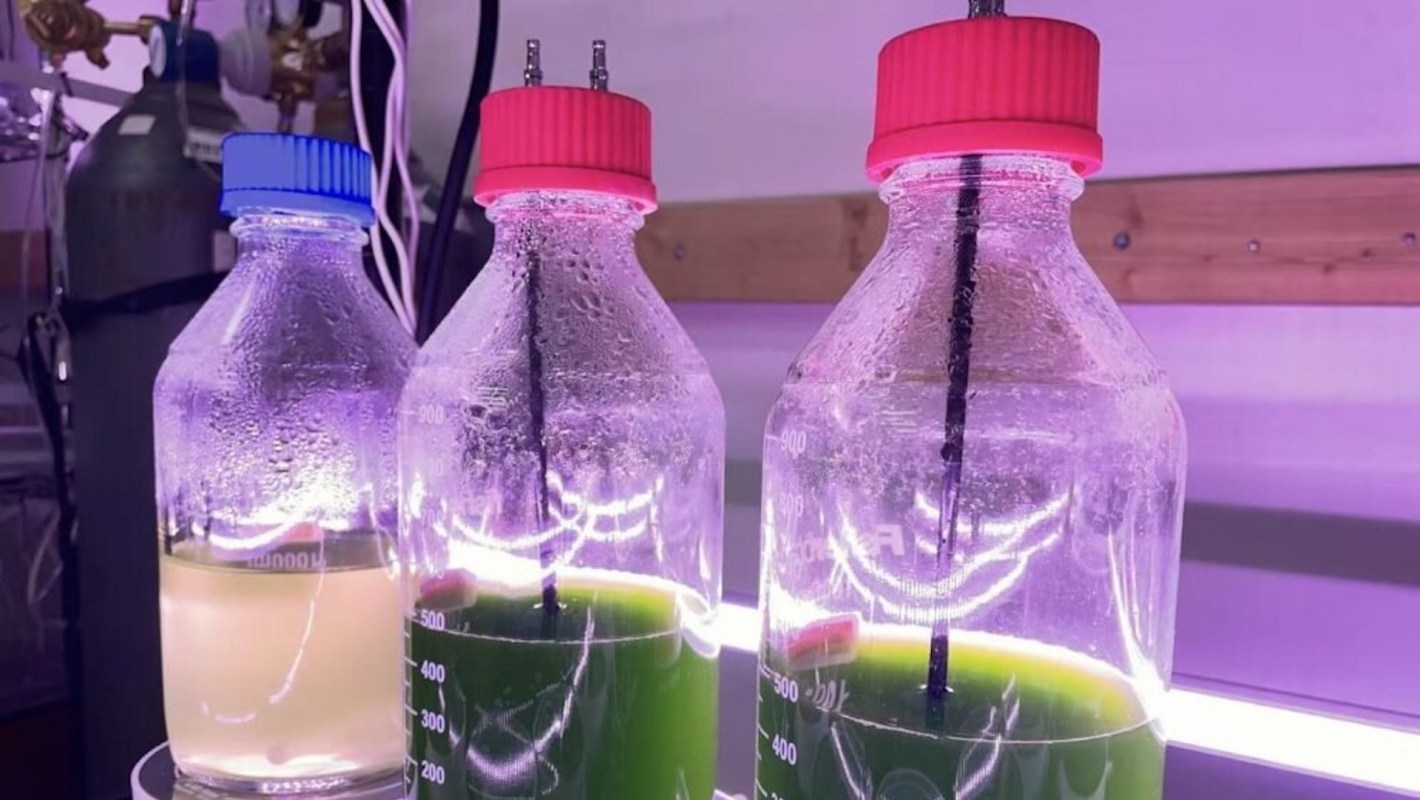
Researchers at the University of Connecticut have developed a method to grow microalgae with dramatically higher protein content, opening the door to a sustainable food source that could benefit both people and animals.
The team, led by associate professor Yangchao Luo and assistant professor Mingyu Qiao, discovered that altering the mix of nitrogen, carbon, and light during growth could change the nutritional profile of the microalgae. By adjusting the recipe, the plants boosted their protein levels up to 25%, with as much as half the algae's biomass made of protein.
"Eventually we hope to utilize microalgae as remediation against food waste so we can utilize food waste and turn it into a very valuable protein supply for human consumption or poultry feed," Luo said.
Their approach blended two natural growth strategies. In the wild, algae either rely on photosynthesis or grow in darkness by consuming carbon. The team combined these two methods to harness both systems.
"Through feeding the microalgae with different media — different carbon sources, different nitrogen sources, and different minerals — we tried to customize or tailor the metabolism of microalgae to produce specific nutrients," Luo explained.
TCD Picks » Quince Spotlight
💡These best-sellers from Quince deliver affordable, sustainable luxury for all




Poultry, a major global protein source, relies on supplements made from petroleum to get methionine, an essential amino acid. High-protein algae, rich in methionine, could replace these polluting feed additives.
Better yet, the algae can also be consumed directly by humans, creating a cleaner alternative to animal protein that reduces strain on land and water resources.
Additionally, instead of using expensive glucose as the carbon source, the researchers grew algae with sodium acetate — a far cheaper ingredient that also happens to be a byproduct of food waste. That means the process could help turn discarded materials, like whey from cheese production, into nutrient-rich food.
The team recently received a grant from the Department of Agriculture to test the system using whey from UConn's own dairy facilities, setting the stage for a proof-of-concept that could scale quickly. If successful, microalgae could become an affordable, environmentally friendly protein source in the coming years.
|
Have you tried composting? Click your choice to see results and speak your mind. |
 My compost game is strong 💪
Join our free newsletter for easy tips to save more and waste less, and don't miss this cool list of easy ways to help yourself while helping the planet.







