


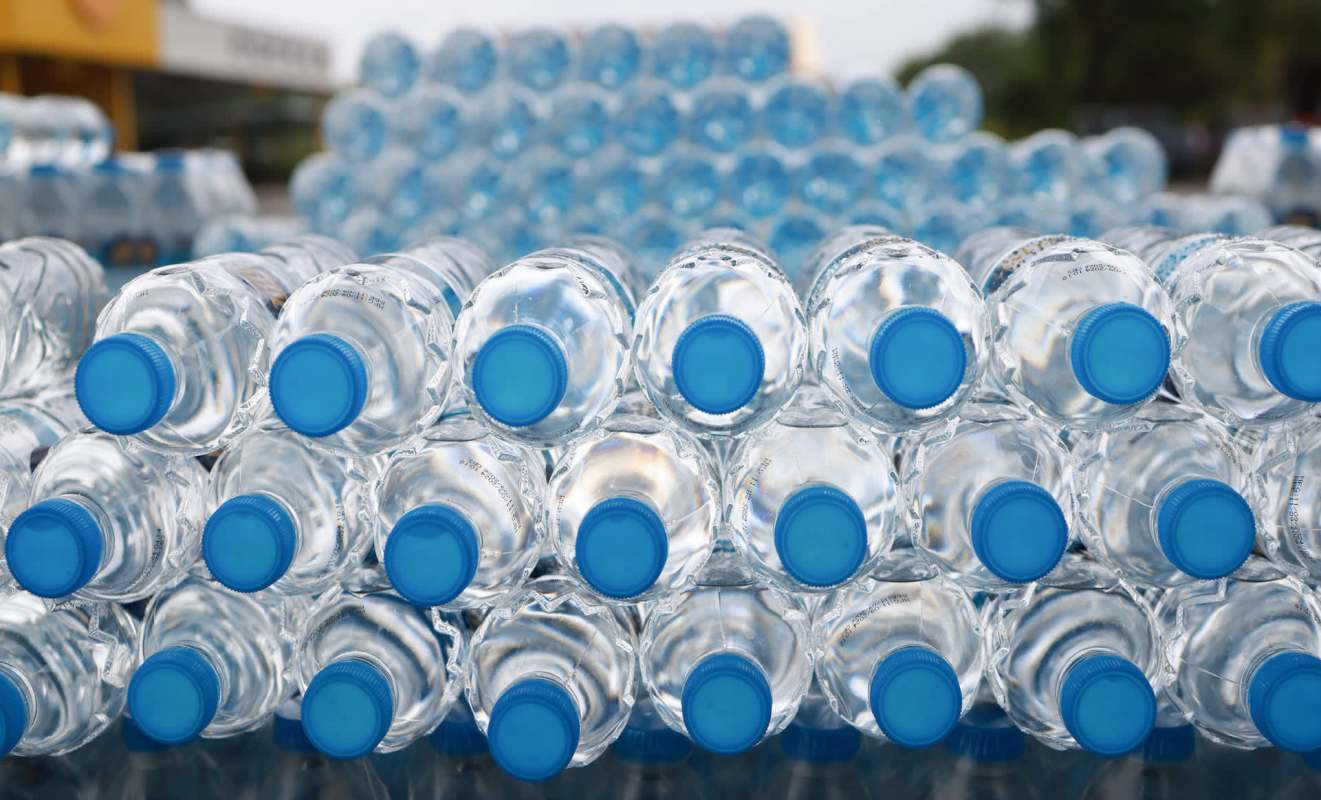
Scientists have discovered a groundbreaking new way to give old plastic bottles a second life — one that could help clean the air, tackle plastic pollution, and lower industrial costs.
A research team at the University of Copenhagen has developed a material called BAETA by breaking down polyethylene terephthalate, the plastic used in disposable bottles, and repurposing it into a carbon-capturing filter, Noticias Ambientales reported.
Their study, published in the journal Science Advances, describes a low-energy process that captures carbon dioxide without the high heat or expensive materials required by most current methods.
"We transform waste into a raw material that actively contributes to the climate solution," explained the study's lead author, Margarita Poderyte.
The approach addresses two major challenges simultaneously: plastic waste and harmful carbon pollution. According to a paper published in Advances in Industrial Design, only 10% of the world's PET production is recycled.
The rest can take hundreds of years to degrade, often breaking down into microplastics that contaminate soil, food, and water, per a study published in the Heliyon journal. Meanwhile, rising air pollution has contributed to rising global temperatures and the onset of extreme weather events, NOAA Research reported.
TCD Picks » Quince Spotlight
💡These best-sellers from Quince deliver affordable, sustainable luxury for all




Instead of letting plastic bottles pile up in landfills or break down into harmful microplastics that threaten food and water supply, they can be transformed into a functional filter that captures air pollution from industrial exhaust streams.
What makes BAETA especially promising is its simplicity and scalability. It can be produced at room temperature, meaning industries could adopt it without major upgrades or extra energy costs. That efficiency could make carbon capture cheaper and more accessible worldwide — a win for both the planet and people's wallets.
If scaled up, this technology could find uses beyond factories, potentially helping cities reduce air pollution and improve public health by curbing airborne contaminants. Similar innovations that repurpose plastic can reduce the amount of waste that ends up in the environment and highlight new pathways for building cleaner and more resource-efficient systems.
Individuals can do their part to help reduce plastic waste by choosing plastic-free options for everyday products. The Natural Resources Defense Council suggests more ways to help combat plastic pollution, including using reusable bottles instead of buying bottled water, buying household items secondhand, recycling, and putting pressure on manufacturers to use less plastic.
|
How concerned are you about the plastic waste in our oceans? Click your choice to see results and speak your mind. |
 Extremely 😫
 "This approach can radically change the way we address environmental problems, which are usually treated separately," said Poderyte.
It's a reminder that one smart solution can help solve several global challenges at once.

Join our free newsletter for weekly updates on the latest innovations improving our lives and shaping our future, and don't miss this cool list of easy ways to help yourself while helping the planet.






