


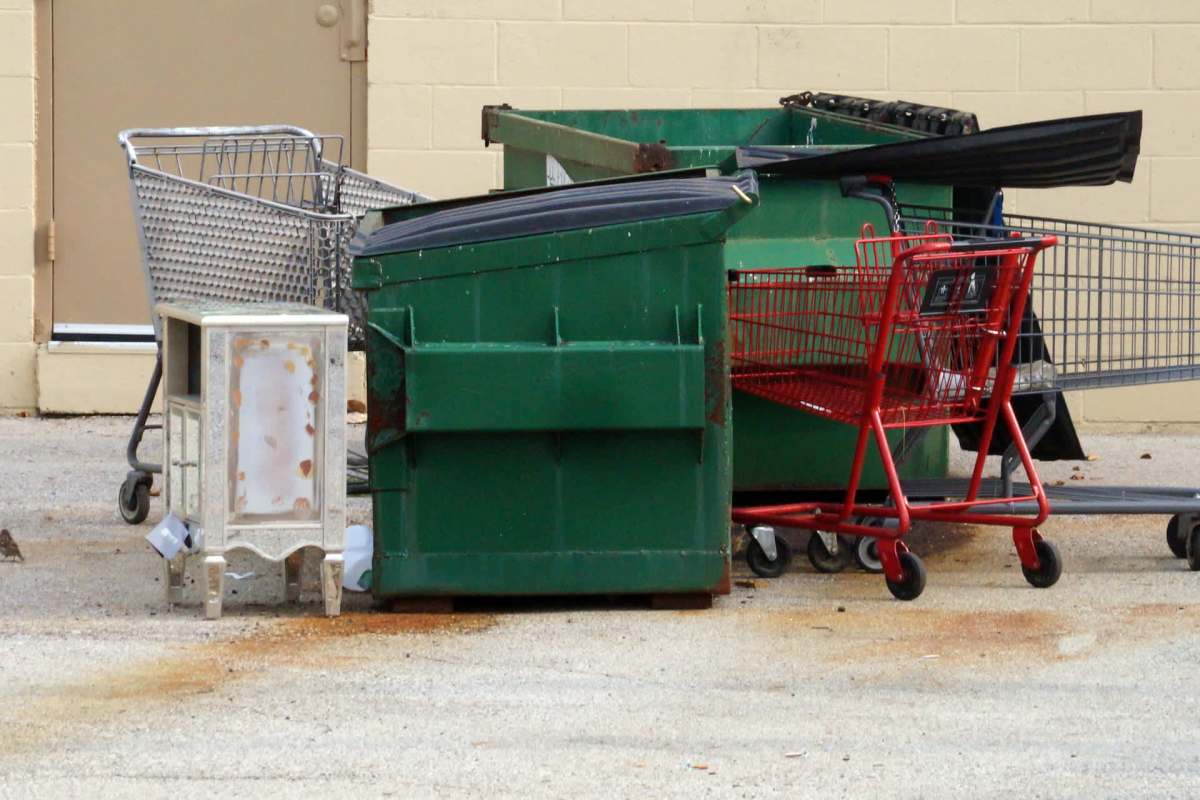
The practice of dumpster diving — or retrieving usable items from someone else's trash — is typically seen as a fairly controversial one in the United States. But apart from scoring some valuable goods, social media posts showing off massive dumpster hauls are also highlighting the problem of food waste tied to grocery stores.
One dumpster diver recently shared a photo of an abundance of baked goods, snacks, and frozen dinners they diverted from the landfill and put to good use.
What's happening?
At the Dumpster Diving subreddit, the poster described an epic stash of food they pulled out of the dumpster of a grocery store notorious for throwing away food.
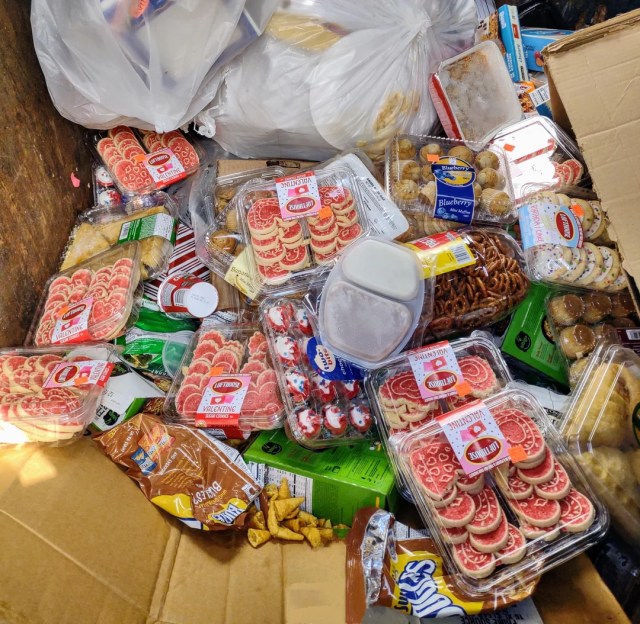
"Shared with friends and family, and also met a couple of nice dumpster divers who said it was also their honey hole," the original poster wrote. "I left over half for them also."
In response to a comment asking how dumpster diving works in the U.S., the OP explained that stores often throw food into the trash when it's past its sell-by date rather than donating it to a homeless shelter or food bank.
"We go and look in the dumpsters because, as you can see in the picture above, in the dumpster, it's perfectly good [to eat] for a while," the OP explained. "It's a real travesty."
TCD Picks » Quince Spotlight
💡These best-sellers from Quince deliver affordable, sustainable luxury for all




Why is grocery store food waste a problem?
Approximately one-third of the food in the U.S. is discarded, and grocery stores are a significant contributor to this statistic. Food that passes its expiration date often ends up in landfills, where it produces harmful heat-trapping gases, slowly decomposing and warming the planet.
The valuable resources — including energy, water, transportation, labor — that go into food production are also wasted when it's not consumed. Meanwhile, many people face food insecurity and go hungry every day.
Are grocery stores doing anything about this?
Fortunately, many grocery stores, such as Kroger and Trader Joe's, are committed to reducing food waste and have implemented donation programs to help those in need. Albertsons has partnered with Uber to get excess food to food banks and nonprofits.
However, it is essential to note that food must be deemed safe for human consumption before it can be donated. Therefore, grocery stores do sometimes face limited options.
|
Should it be illegal to throw away old clothes?
Click your choice to see results and speak your mind. |
 Heck yes 👍
 But in addition to planning ahead to avoid this waste, methods like large-scale composting could also be a more sustainable alternative to simply landfilling spoiled food and plastic packaging. Stores like Local Harvest in St. Louis, Missouri, are also mitigating waste by reducing unnecessary food packaging when possible.
What's being done about food waste more broadly?
Beyond just grocery stores, government officials have been working to curb food waste in the U.S.
In 2024, the White House announced a strategy to address food waste nationwide, aiming to keep pace with progress in other countries.
As an individual, you can curb your own household's food waste by growing some of your own food at home, avoiding over-buying, and composting your food scraps. With some simple daily changes, you can also keep your groceries fresher for longer, preventing them from going to waste and making the most of leftovers after cooking meals.

Join our free newsletter for easy tips to save more and waste less, and don't miss this cool list of easy ways to help yourself while helping the planet.






