


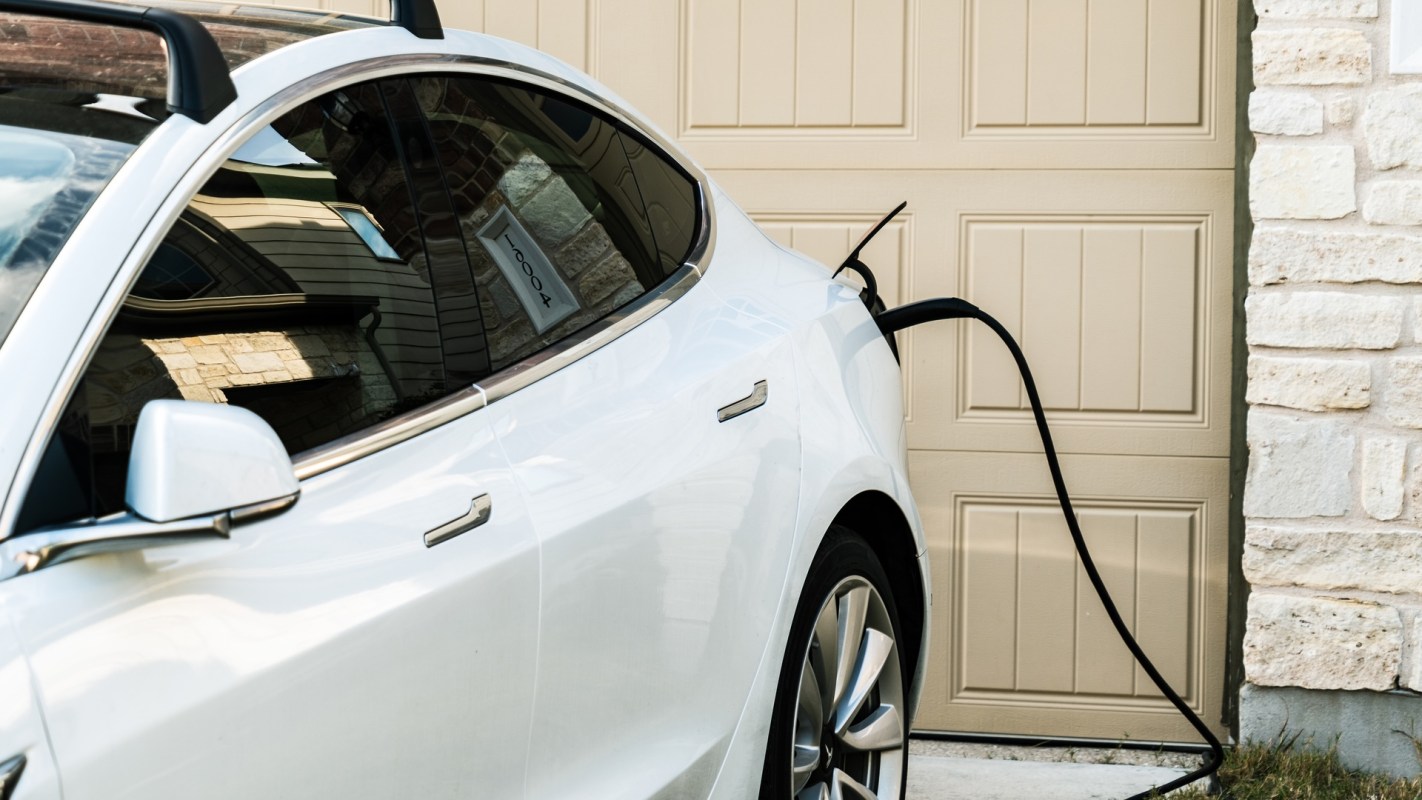
By his own admission, when EV-charging expert Tom Moloughney first started giving advice on electric vehicles and EV charging stations over a decade ago, he didn't fully consider the safety implications of making sure that EV chargers were properly installed.
Charging an EV at home is not just more convenient than charging at public charging stations. It can also save you a lot of money.
Charging at home is also very safe if your electrical contractor knows what they are doing. However, as Moloughney learned, installing an electric vehicle charging station at home is not as simple as just plugging an EV charger into any 240-volt outlet.
"I have to admit that early on I wasn't as, let's say, vigilant telling my followers to make sure they hire the right electrician because my thought on the subject was, hey, licensed electricians should be able to install this stuff," Moloughney explained in a YouTube video.
However, Moloughney learned over time that the situation was a bit more nuanced and that not every 240-volt outlet was well-suited for EV charging.
"Over the years, so many of my followers sent me pictures of burned wires, outlets that were melted, all different kinds of problems," he explained in the video.
The issue, Moloughney came to learn, was that not all 240-volt outlets — the kind used by most EV chargers — are made the same.
Moloughney explained that most appliances using 240-volt outlets, such as electric drying machines or electric ranges, use the outlet for only an hour or two at a time and only a few times per week.
Save $10,000 on solar panels without even sharing your phone number Want to go solar but not sure who to trust? EnergySage has your back with free and transparent quotes from fully vetted providers in your area. To get started, just answer a few questions about your home — no phone number required. Within a day or two, EnergySage will email you the best options for your needs, and their expert advisers can help you compare quotes and pick a winner. Solar panels can save you more than $50k over their 25-year lifespan, and EnergySage can help you save as much as $10k on installation. Which begs the question — isn't that worth an email or two? |

"Electric vehicle charging is different from any other electrical appliance in your house," Moloughney said. "That's because it pulls so much current for so many consistent hours that we really need to have special guidelines for EV charging."
That's where Qmerit came in. At first, Moloughney was skeptical as to why a company would specialize in just installing EV charging stations. However, the more he learned, the more it made sense given the unique power needs of EV charging.
|
Which of these factors is the biggest obstacle preventing you from getting solar panels? Click your choice to see results and speak your mind. |
 The upfront cost 💰
 "I liked the fact that they recognized that EV charging is different than anything else that you're going to have in your house," he said. "You're going to be pulling more current when you charge your electric vehicle."
While one might assume that any licensed electrical contractor would know to take this into account when installing a home charging station, unfortunately, that has not always been the case.
"This is a new industry, and some electrical contractors really aren't up to speed on EV charging yet, and they cut corners," Moloughney explained.
On the other hand, because Qmerit specializes in EV charging, the company knows all about the unique demands that EV charging can place on an outlet and its wiring.
Plus, Qmerit makes installing an EV charging station in your home easy. Simply enter some basic information about your electric panel and garage into its website, and Qmerit can give you a free quote for installing a safe, efficient EV charging station in your home.
To take the cost-saving benefits of installing a home charging station even further, and to help reduce planet-heating pollution at the same time, you can power your EV charger with home solar panels.
While creating this kind of setup might sound complicated, EnergySage makes it easy with powerful yet easy-to-use online tools that let you compare quotes from pre-screened local solar installers.
EnergySage even allows you to see the average price of a solar installation in your area and to easily identify tax credits, rebates, and other available financial incentives, saving you up to $10,000.
EV charging stations aren't the only appliances that you can power using home solar. Electric heat pumps, induction cooktops, and heat pump water heaters all can be run more cheaply off a home solar system, saving you money on your utility bills while also helping the environment.
If you want to learn more about replacing your HVAC with an electric heat pump — saving as much as $400 per year — Mitsubishi has a free website that includes all the information you'll need in a clear, easy-to-understand format.
Think you can't afford home solar? Think again. Palmetto's LightReach program allows you to lease solar panels for no money down, locking in low energy rates while still providing all of the environmental benefits of owning your own solar panels.

Join our free newsletter for easy tips to save more and waste less, and don't miss this cool list of easy ways to help yourself while helping the planet.






