


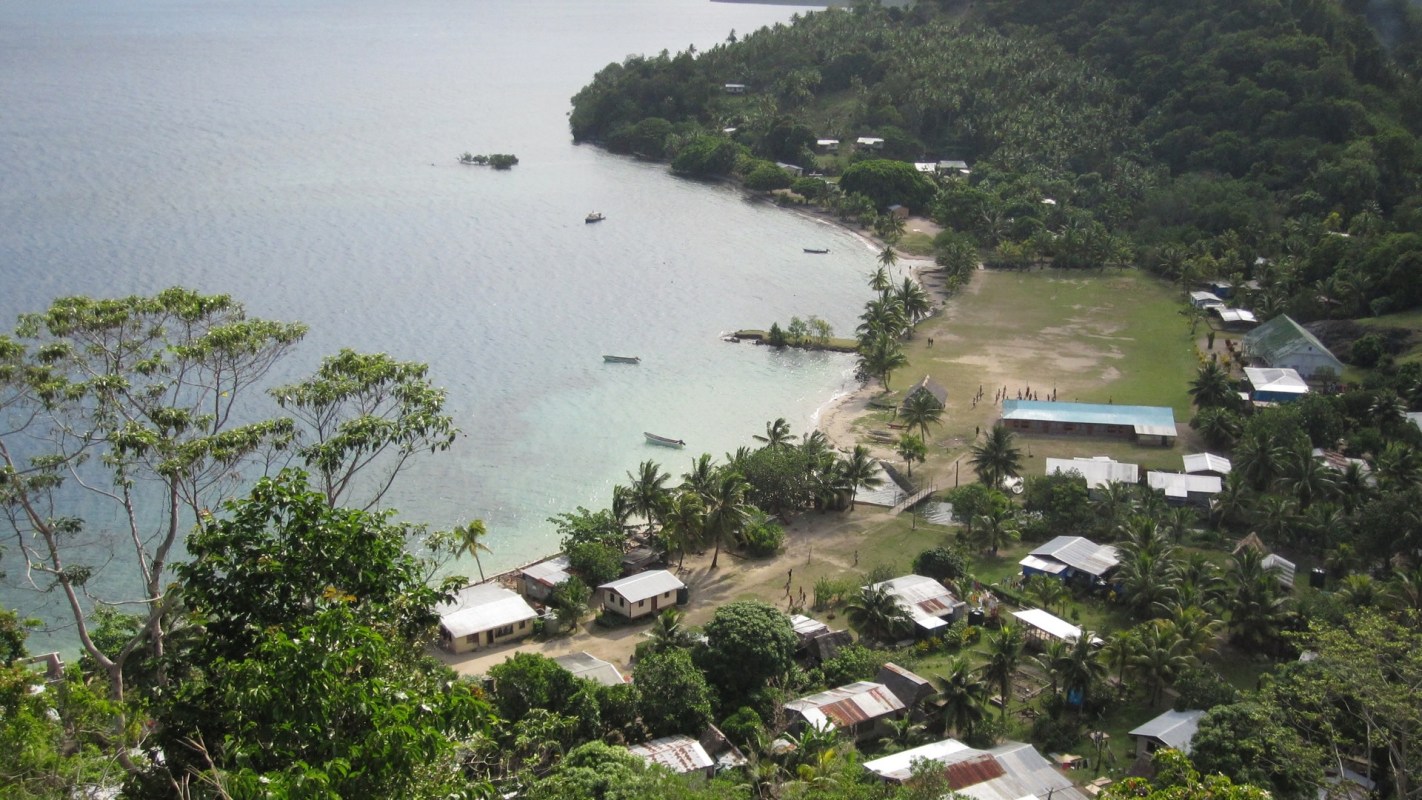
Around the archipelago of Fiji, ocean temperatures are increasing, and sea levels are rising at an alarming rate.
What's happening?
As the Fiji Times recently reported, data from the Fiji Meteorological Service has revealed that above-normal ocean temperatures and rising sea levels continued in 2024.
The agency's Annual Climate Summary report highlights ongoing concerns about Fiji's climate resilience and the country's vulnerability to shifting weather patterns.
The El Niño-Southern Oscillation in the tropical Pacific Ocean contributed to higher-than-normal sea surface temperatures — or SSTs — around the nation's more than 300 islands in 2024.
The western waters of the country's largest island, Viti Levu, saw "the highest positive anomalies" in SSTs, according to the Fiji Times. A small region in northeast Fiji experienced its highest mean SST since scientists started tracking it in 1982.
Meanwhile, confirmed by tide gauge measurements and satellite data, sea levels in the country are rising at a rate faster than the global average. The global average is 3.2 millimeters of sea level rise annually, while Fiji's waters are rising by 4 to 5 millimeters per year.
TCD Picks » Quince Spotlight
💡These best-sellers from Quince deliver affordable, sustainable luxury for all




Why are rising ocean temperatures and sea levels significant?
Increasing ocean temperatures can bring numerous hazards to safety, health, infrastructure, and the environment.
They directly impact all kinds of marine life. For example, higher ocean temperatures can cause memory loss in fish, which is problematic because fish need to remember where to find food and avoid predators to survive. And when any species population is disrupted, entire ocean ecosystems take a hit.
Warming waters can also supercharge tropical storms and hurricanes. They can alter deep ocean currents. And they can melt glaciers and drive thermal expansion, both of which exacerbate sea level rise.
Rising sea levels pose considerable threats to everyone but especially to coastal communities, where intensifying floods and storm surges can compromise human health and safety, clean water supplies, and critical structures.
|
How often do you worry about the quality of your drinking water? Click your choice to see results and speak your mind. |
 Never 👎
 What's being done to protect vulnerable communities?
Around the world, island and coastal communities are seeing effects similar to those experienced in Fiji. Residents, officials, and non-governmental organizations are working in these areas to increase resilience to major storms and restore ecological balance after ecosystems are disrupted.
As extreme weather becomes more frequent and intense, it's crucial to protect homes everywhere. Switching to renewable, resilient, and cost-saving power sources, such as a home solar system with backup battery storage, is one way to reduce the heat-trapping pollution that drives rising temperatures while helping households and neighborhoods withstand the storms that knock out traditional power grids.
Some tips that can ease the transition to a new clean energy source include using free online tools from EnergySage to compare quotes from vetted local installers, which can help homeowners save up to $10,000 on solar installation costs.
Learning about storm preparedness and sustainable energy as a community can act as a force multiplier, enabling more people to make the switch by improving knowledge exchange about various options and even building momentum toward the municipal clean energy commitments that, by mitigating pollution, have the potential for global impact.
In Fiji, as the World Health Organization reported in early 2025, a resilience effort enabled communities to "implement a local climate change adaptation project of their choosing." On Laucala Island, residents decided to build out their evacuation center and install an additional water tank to "help capture and safely store water for the village." Both projects have the potential to enhance the area's resilience to rising seas and the associated risk of water contamination.

Join our free newsletter for good news and useful tips, and don't miss this cool list of easy ways to help yourself while helping the planet.







