


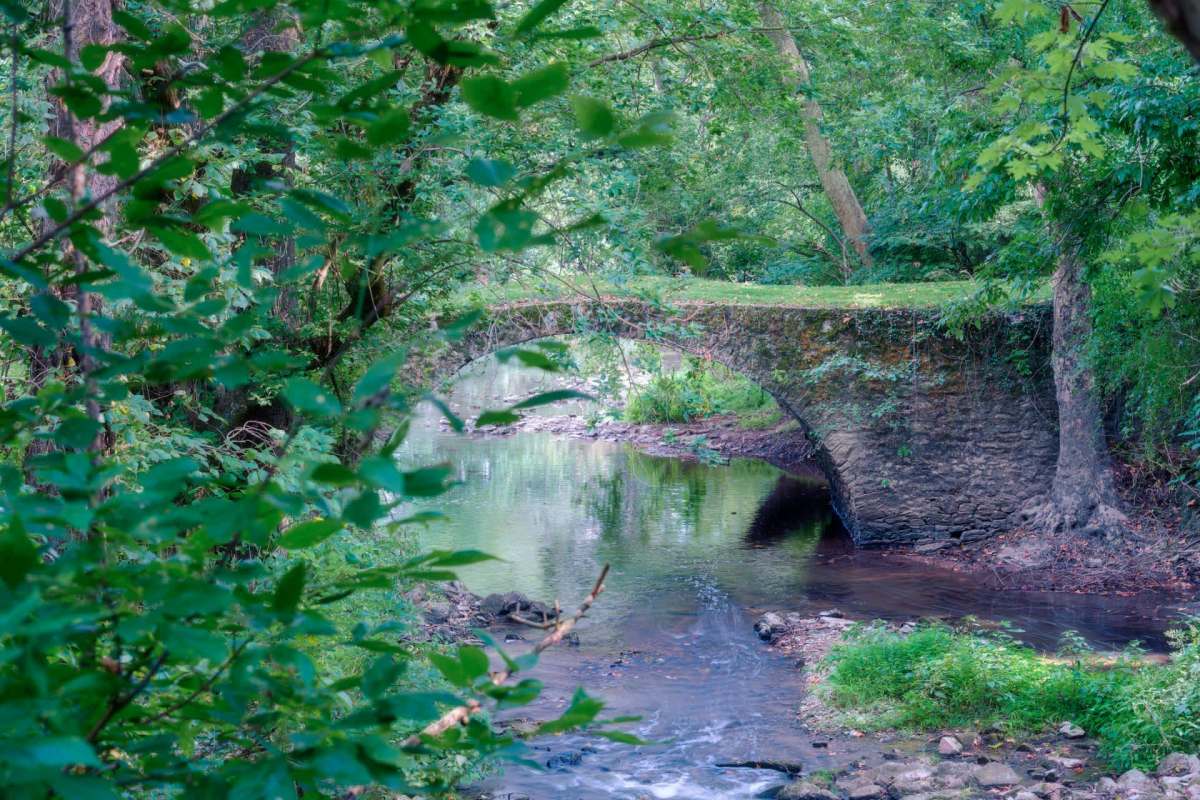
An invasive species has been found in Pennsylvania rivers, raising concerns among officials that it could spread to other parts of the United States.
What's happening?
A September study, published in Freshwater Mollusk Biology and Conservation, observed that Potamopyrgus antipodarum, also known as New Zealand mudsnails, were found in two tributaries of the Monongahela River during a September 2023 survey of 47 streams in Pennsylvania.
The mudsnails, as The Olympian noted, are native to New Zealand but are common in the western U.S. They've also been known to exist in Lake Erie in Pennsylvania for nearly 20 years, but they are now expanding within that region.
Before this survey, they were also found in 2014 in the West Branch Susquehanna River subbasin, and in 2020 in the Susquehanna and Delaware River basins.
Why are New Zealand mudsnails concerning?
New Zealand mudsnails are considered an invasive species. Once invasive species are introduced to a foreign ecosystem, they can spread quickly and cause damage to the flora and fauna in that new environment.
The snails "pose a risk of harming or threatening the state's environmental, economic, or human resources," the Washington Department of Fish and Wildlife said.
TCD Picks » Quince Spotlight
💡These best-sellers from Quince deliver affordable, sustainable luxury for all




"Due to rapid self-reproduction, the species can quickly achieve densities of more than 500,000 snails per square meter," the department continued. "After moving into a lake or stream, these mud snails are nearly impossible to remove without damaging other aspects of the habitat."
Because these snails are so tiny, they offer little nutritional value to native fish that eat them, and they often pass through digestive systems unharmed, making them even more difficult to remove.
What's being done about New Zealand mudsnails?
These mudsnails are not considered harmful to humans. However, due to the damage they can cause to native plants and marine life, human intervention is vital to help prevent their spread.
Pennsylvania officials have set up a number of ways to report any aquatic invasive species, including this online form.
"If you see an aquatic invasive species, a Class A noxious weed, or an unusual invasive insect … take a photo, note the specifics of your location, and call in a voicemail report to 1-833-INVASIV," the state's Department of Agriculture said.
|
Do you worry about getting diseases from bug bites?
Click your choice to see results and speak your mind. |
 Absolutely 👍
Join our free newsletter for good news and useful tips, and don't miss this cool list of easy ways to help yourself while helping the planet.







