


A rare bee species that had not been seen in New York State in over 100 years has resurfaced in a chestnut orchard in Westchester County, Phys.org reported. This latest sighting places the bee above the Hudson Valley for the first time, indicating to scientists an expansion of the bee's known range.
In July 2023, Molly Jacobson, Pollinator Ecologist at the SUNY College of Environmental Science and Forestry, spotted the Andrena rehni bee while conducting a chestnut pollinator study at the chestnut orchard in Lasdon Park in Somers, New York.
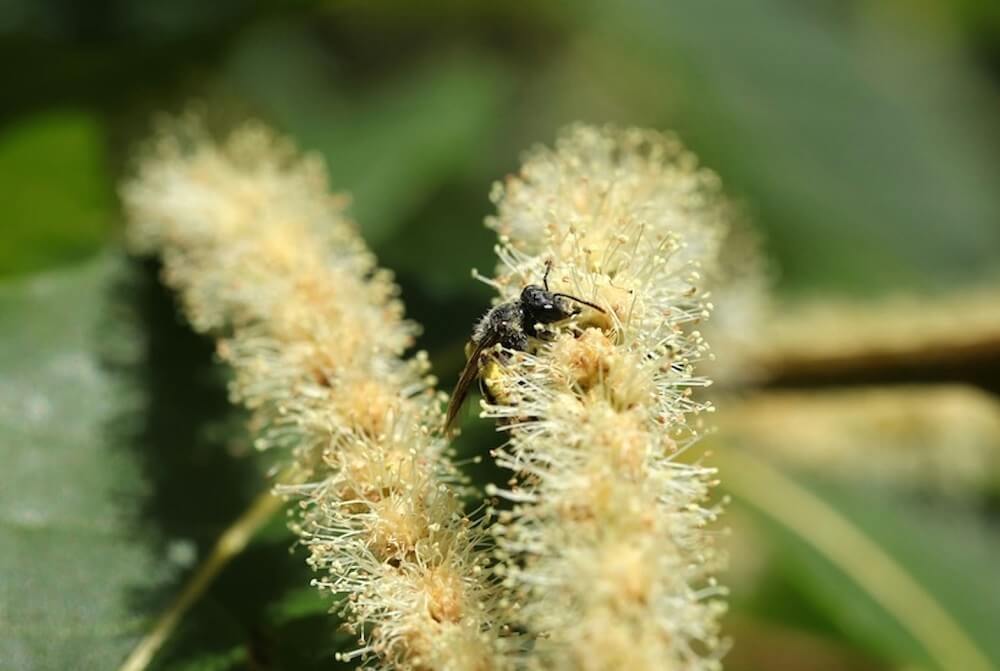
The Andrena rehni bee, unofficially referred to as the "chestnut mining bee," feeds exclusively on the pollen of the plants in the genus Castanea (or chestnuts), which explains its presence in the chestnut orchard. However, this bee species had not been seen in southern New York since 1904, following the devastating near-extinction event that killed over 3.5 billion American chestnut trees as a result of an invasive fungus, the chestnut blight.
The absence of the chestnut mining bee in the state over the last century led the New York Natural Heritage Program to list the bee species as "possibly extirpated" in the state's annual native pollinator survey in 2022, per Phys.org.
"No nests have ever been found," said Jacobson, per Phys.org.
However, by a stroke of luck, Jacobson spotted and captured six specimens of the Andrena rehni bee in the chestnut orchard of Lasdon Park. Lasdon Park and Arboretum has been an official chestnut research site since April 1993, when the arboretum agreed to plant and maintain 200 chestnut trees in its research orchard.
TCD Picks » Quince Spotlight
💡These best-sellers from Quince deliver affordable, sustainable luxury for all




Even though the chestnut blight wiped out a significant portion of American chestnut trees, which inextricably affected chestnut mining bee populations, the arboretum's effort to save the chestnut tree has evidently contributed to the comeback of the Andrena rehni bee in New York.
Pollinator conservation efforts ultimately protect the human food supply as pollinators help with plant reproduction, which supports local ecosystems.
Conservation efforts in Hawaiʻi involving captive breeding have helped restore a species of crow native to Hawaiʻi. Similar efforts in the United Kingdom helped reintroduce the Large Marsh Grasshopper to Norfolk after an 86-year hiatus.
"The rediscovery of this bee in our orchard illustrates another beneficial impact restoring this iconic tree to the northeastern landscape can have on the environment," said Dr. Andrew Newhouse, director of the College of Environmental Science and Forestry's American chestnut restoration project, per Phys.org.
|
How often do you worry about the quality of your drinking water? Click your choice to see results and speak your mind. |
 Never 👎
Join our free newsletter for good news and useful tips, and don't miss this cool list of easy ways to help yourself while helping the planet.







