


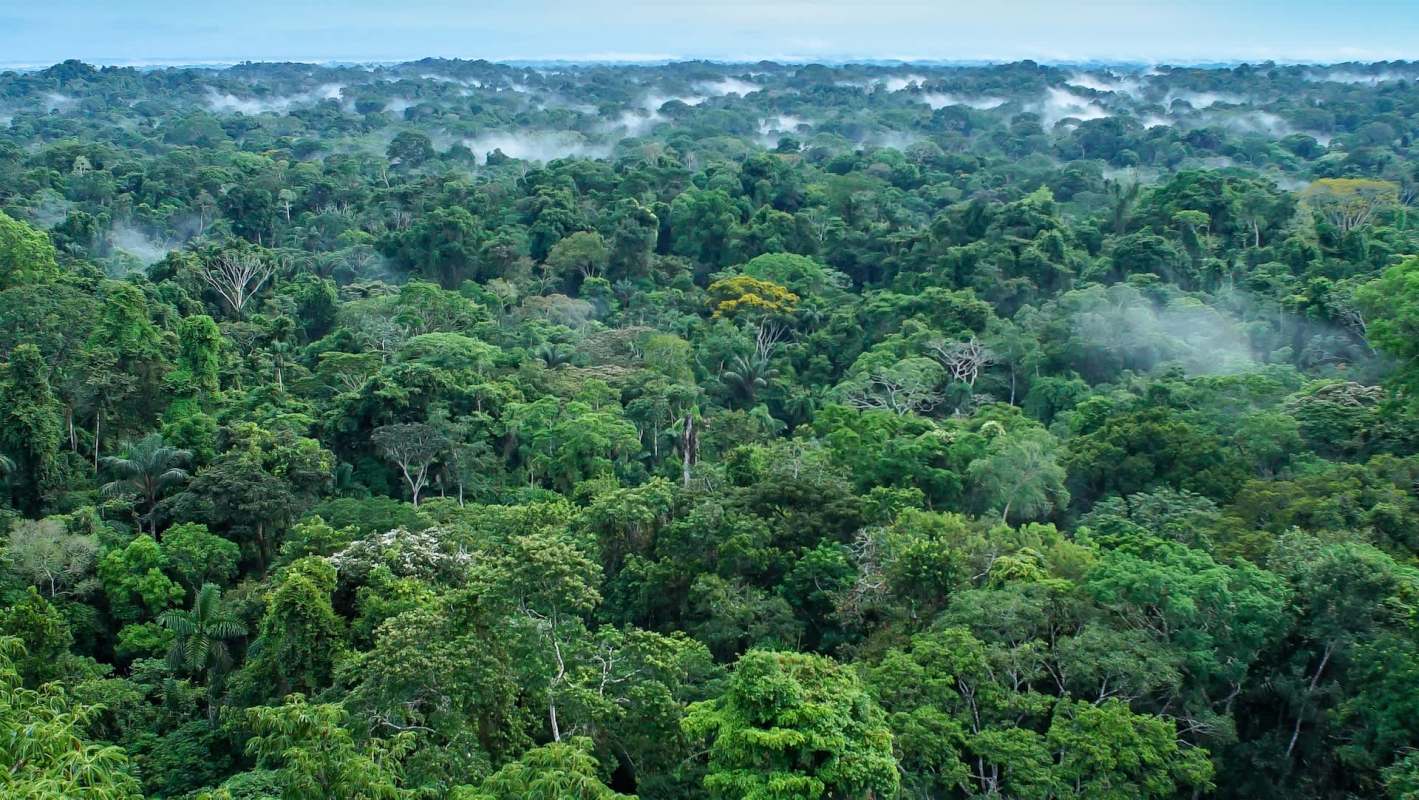
Amazon forests play a vital role in fighting diseases when indigenous rights to manage them are respected, according to the International Union for Conservation of Nature (IUCN).
IUCN collected data from municipalities in 75% of the Amazon, concluding that the forests protect against diseases. The data spans 20 years and covers 27 health issues in over eight countries in the region.
Unsurprisingly, fire is a frequent catalyst for local illnesses.
In 2024, the Amazon experienced record-breaking fires, largely attributed to climate change, aggressive land clearing, and illegal mining, according to the World Resources Institute. The smoke and toxins from such fires place the 33 million inhabitants at greater risk for cardiovascular and respiratory diseases, including lung cancer.
Increased human contact with local fauna also poses a risk of contracting hantavirus, malaria, and Chagas disease. As excessive deforestation from overdevelopment reaches a tipping point, it disrupts ecosystems and forces a concentration of species and pathogens from habitat loss.
However, as Paula Prist, senior coordinator of the Forests and Grasslands Programme of the IUCN, said in a statement, "Indigenous forests in the Amazon bring health benefits to millions."
TCD Picks » Quince Spotlight
💡These best-sellers from Quince deliver affordable, sustainable luxury for all




Several medicinal plants thrive in these rainforests. Quinine is used for malaria treatment. Cat's claw vine treats rheumatism and bruises, along with Tawari tree bark, a plant used in modern medicine for its anti-cancer properties, according to Milken Scholars.
Plus, the vegetation acts as pollution sponges that not only protect locals' lungs but everyone on an increasingly overheating planet. "The Amazon today, even with all the deforestation, stores more than 150 billion [metric] tons of carbon," Carlos Nobre, an Earth systems scientist at the University of São Paulo, told Scientific American in 2023.
Less heat-trapping carbon in the atmosphere gives the planet a chance to cool down and develop calmer weather patterns.
The knowledge and respect the indigenous people have for their land creates less deforestation, keeping this massive carbon sink and natural medicine source intact. Per the World Economic Forum, while comprising only 6% of the global population, 80% of the world's remaining biodiversity is in the hands of indigenous peoples.
Thanks to land protection initiatives in Brazil, deforestation decreased by as much as 83% by 2024; however, 27 million acres were destroyed by illegal clearing that same year. At least studies such as the one conducted by IUCN shed light on the value these forests provide on a global scale.
|
Do you worry about the quality of the air inside your home?
Click your choice to see results and speak your mind. |
 Yes — often 😬
Join our free newsletter for good news and useful tips, and don't miss this cool list of easy ways to help yourself while helping the planet.







