


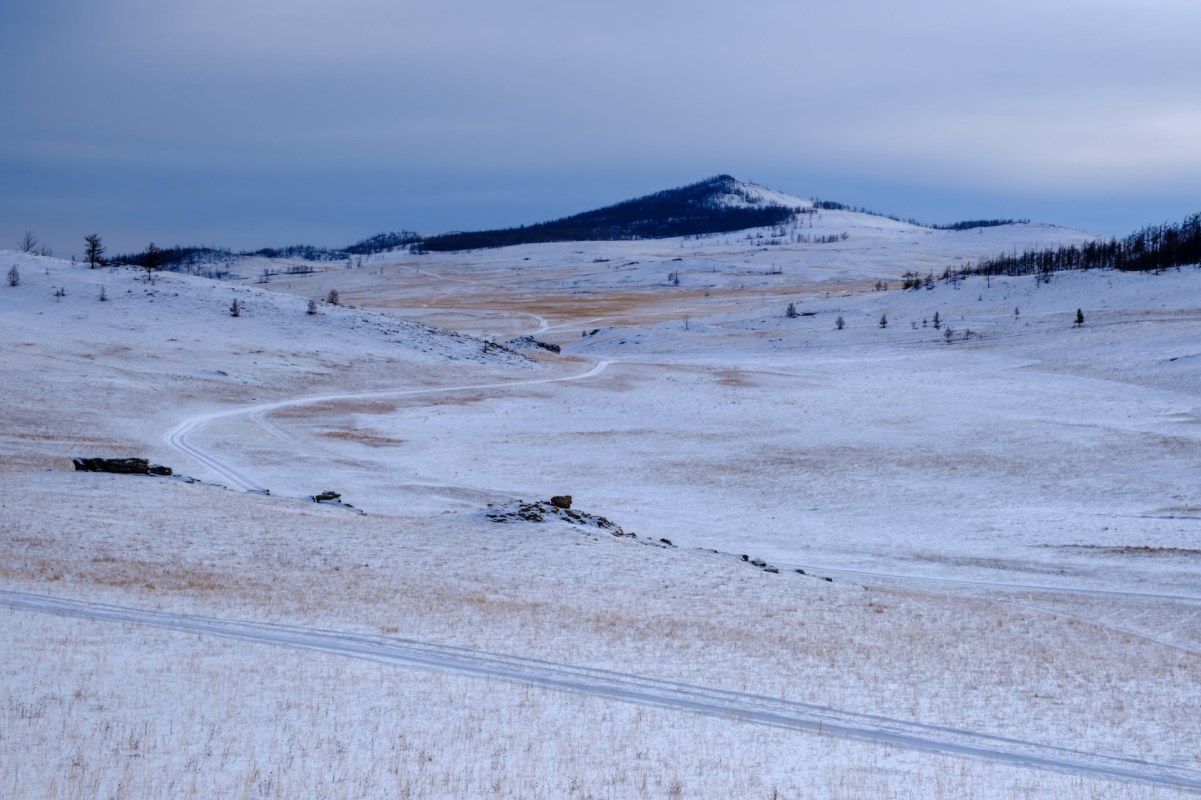
Researchers believe they have found an explanation for Siberia's mysterious exploding craters — and it has to do with rising global temperatures.
What's happening?
Starting in 2012, giant craters were spotted in Siberia's remote Yamal and Gydan peninsulas. As Phys.org reported, these craters are up to 164 feet deep and occurred after seemingly random explosions within permafrost, shooting ice hundreds of feet into the air.
But new research indicates these craters, known as giant gas emission craters, might not be random after all.
A team of researchers led by Helge Hellevang, a University of Oslo environmental geoscientist, published a study in the journal Science of the Total Environment, offering a solution.
"We propose that the formation of GECs is linked to the specific conditions in the area," the authors wrote, "including abundant natural gas generation and seepage, and the overall limited thickness of the continuous permafrost."
That permafrost thickness is of particular concern because it is tied to human-caused pollution. Actions such as burning fossil fuels have pushed global temperatures to record heights, which in turn causes permafrost to melt and become thinner, making it easier for built-up pressure underneath to break through and create these explosions.
TCD Picks » Quince Spotlight
💡These best-sellers from Quince deliver affordable, sustainable luxury for all




As for the pressure caused by gas buildup, that appears to be a problem specific to these peninsulas.
"GECs have so far only been observed in the Yamal and Gydan peninsulas, suggesting that some specifics in this region can trigger the formation only here and not elsewhere in the vast Arctic belt of permafrost," the authors wrote.
Why are these craters concerning?
These explosions are just one of the many concerning side effects of the warming planet.
Hotter temperatures are melting not just permafrost but also glaciers and ice shelves. This has caused global sea levels to rise at an alarming rate, a trend that could put entire coastal communities at risk.
|
Do you worry about companies drilling too deep into the ground? Click your choice to see results and speak your mind. |
 Definitely 💯
 Changing weather patterns also have an effect on extreme weather, leading to severe events such as hurricanes, floods, and droughts happening with more frequency and/or severity.
What can be done about these craters?
The authors said there may actually be more Siberian craters than researchers realize, as they could easily fill up with dirt and water to look like lakes, so more studies will be necessary.
As far as melting permafrost, the only way to stop that is to reverse the planet's warming trend. This requires action from world leaders — such as the legally binding, pollution-reducing Paris Agreement — and also individuals.
By reducing your plastic use, walking more often, and replacing gas-powered yard tools with electric versions, for example, you can reduce your carbon footprint. And the more people that take these actions, the better chance we'll have to keep our planet cool.

Join our free newsletter for good news and useful tips, and don't miss this cool list of easy ways to help yourself while helping the planet.







