


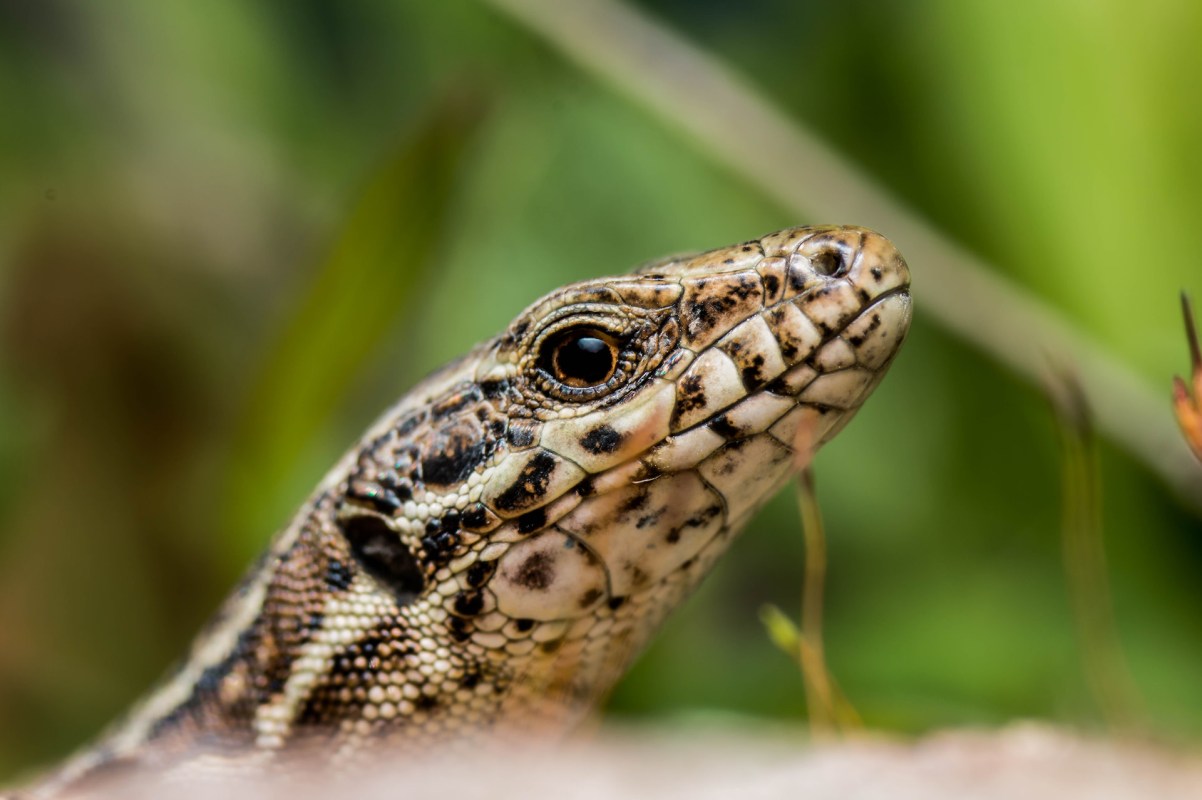
Spanish scientists learned that warmer conditions scramble the DNA inheritance patterns in lizards that live in Madagascar and Australia, which makes it harder for these animals to pass healthy genes to their young, according to the Autonomous University of Barcelona.
What's happening?
Researchers studied two lizard types and found that heat rewrites their breeding biology. Madagascar's Guibé's ground gecko showed increased gene shuffling when hot along with broken DNA strands and altered chromosome shapes. Baby geckos inherit different trait combinations when their parents experience warmth.
Australia's central bearded dragon displays an even stranger response. Hot incubation temperatures cause male embryos with male chromosome pairs to grow into female lizards that can lay eggs.
"We are beginning to understand how the environment can directly mold the genetic architecture of organisms," explained Aurora Ruiz-Herrera, who led the study. "These results bring us closer to unraveling the mechanisms that allow reptiles to adapt and persist under extreme conditions."
Why is gene scrambling concerning?
Gene scrambling endangers lizard species, which anchor predator-prey systems, all around the world. Birds lose prey when lizard numbers drop, and bug populations boom without these predators controlling them.
Temperature-triggered DNA mixing hinders species survival. Some variety aids adaptation, but excessive disruption blocks successful breeding. Sex-switching in bearded dragons might create populations with too few males for mating.
TCD Picks » Quince Spotlight
💡These best-sellers from Quince deliver affordable, sustainable luxury for all




People lose free pest management when lizards disappear. Without these hunters, crop-eating bugs and illness-spreading rodents multiply near homes and on farms.
What can be done about reptile conservation?
Biologists mapped complete genetic blueprints for each species, creating tools to monitor DNA shifts and spot at-risk groups. Bearded dragon chromosome mapping lets scientists track sex-switching patterns.
These genetic maps help biologists determine which animals face immediate danger from warming and plan rescue efforts. Knowing how DNA responds to heat helps determine which species will survive and which species need immediate help.
The scientists noted that saving wildlife saves people. Keeping breeding areas cool might protect normal lizard reproduction while researchers develop long-term solutions.
|
Do you worry about the longevity of EV batteries? Click your choice to see results and speak your mind. |
 For sure 💯
Join our free newsletter for good news and useful tips, and don't miss this cool list of easy ways to help yourself while helping the planet.







