


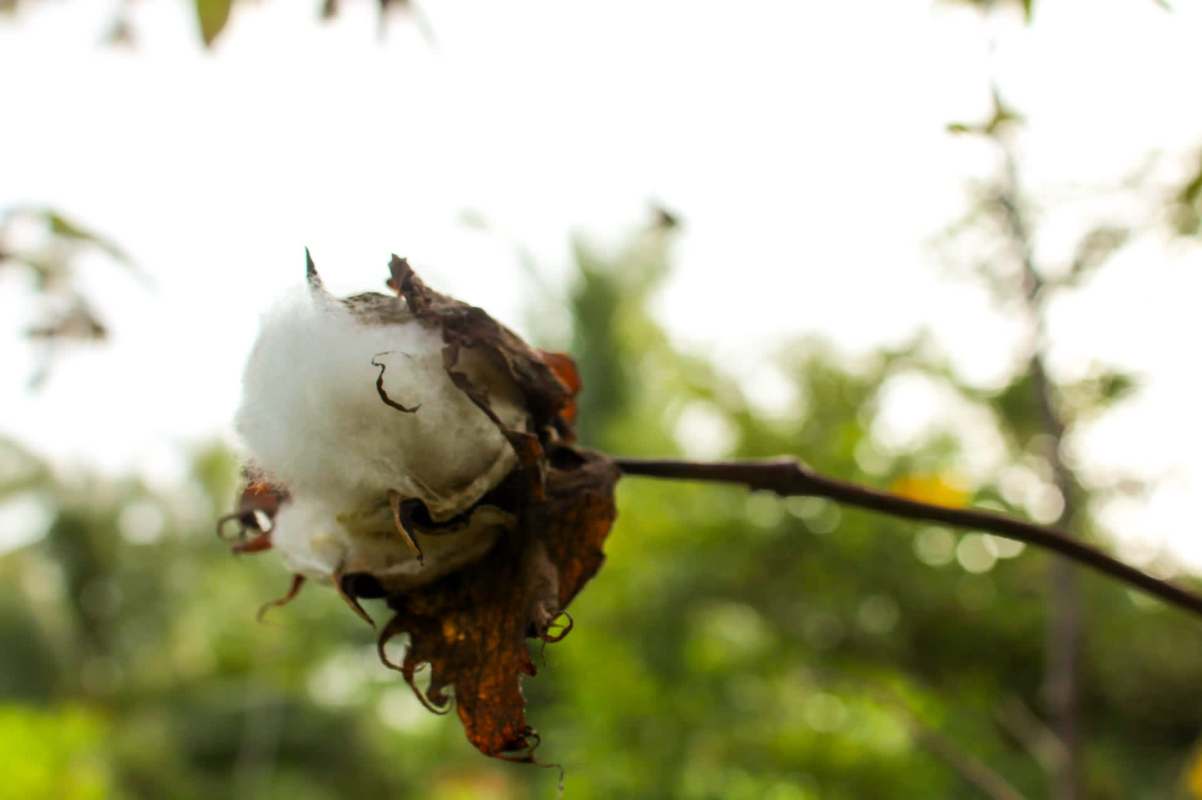
An invasive pest has been making appearances in Georgia and is threatening valuable crops, according to the University of Georgia Extension.
What's happening?
The two-spot cotton leafhopper, also known as the cotton jassid, has been spotted in 27 South Georgia counties. This pest can damage cotton crops with yellowing of leaves and leaf puckering as it suckles on plant sap.
The pests also secrete a honeydew, which can cause mold growth, which in turn limits the sunlight a leaf can absorb.
Besides cotton, the two-spot cotton leafhopper is equally a threat to okra, eggplant, peanut, roselle, soybean, sunflower, and tropical hibiscus crops.
The cotton jassid is native to southern Asia, having found its way to the U.S. in 2023. Alabama, South Carolina, Texas, Puerto Rico, and Florida have since reported sightings of two-spot cotton leafhoppers.
Why is the two-spot cotton leafhopper important?
By being transported away from their native environment, plants and animals can be freed from the natural checks and balances they evolved with. In a new environment, these species can rapidly outcompete natives for vital resources like food and space. Under these circumstances, native species are pushed out of an area by an invasive species, and biodiversity decreases.
TCD Picks » Quince Spotlight
💡These best-sellers from Quince deliver affordable, sustainable luxury for all




Humans depend on a wide range of ecosystem services provided by rich biodiversity. Pollination is a major one, for example.
According to the U.S. Department of Agriculture, the American cotton industry generates $21 billion in economic activity that could be under threat by cotton jassids. The Intergovernmental Science-Policy Platform on Biodiversity and Ecosystem Services has estimated the economic losses caused by invasive species can amount to hundreds of billions of dollars annually.
What's being done about cotton jassids?
While young nymphs are difficult to identify, adult cotton jassids are clearly marked by two telltale dots on their wings.
One study suggested that beneficial companion plants could reduce the spread of two-spot cotton leafhoppers. The research found that long-haired stalks on a type of geranium created an unfavorable environment for cotton jassids to lay eggs.
Increases in predator populations can also help keep cotton jassid populations in check. Ladybugs, seed bugs, and mantises all prey on two-spot cotton leafhoppers. Neem oil, made from fruits, can also act as an effective organic pesticide.
|
Do you worry about getting diseases from bug bites?
Click your choice to see results and speak your mind. |
 Absolutely 👍
Join our free newsletter for good news and useful tips, and don't miss this cool list of easy ways to help yourself while helping the planet.







