


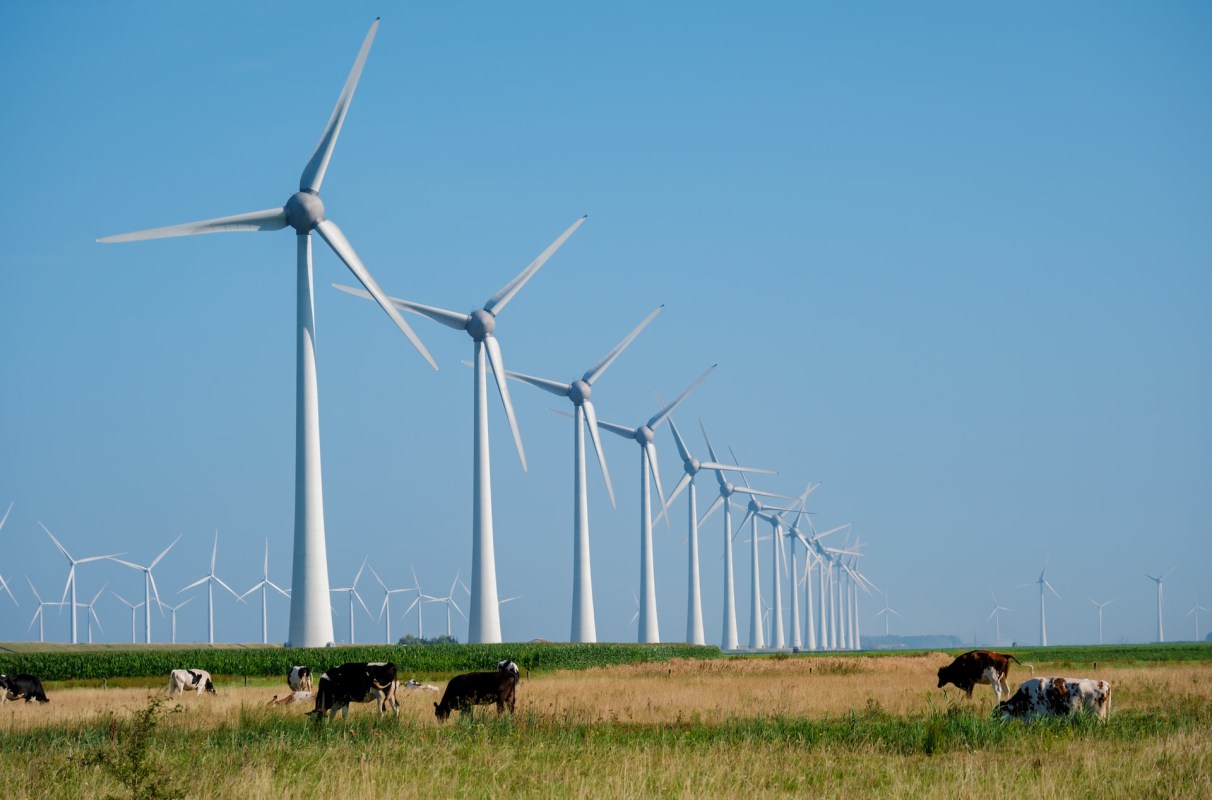
A post on r/conspiracy questioning whether wind energy is "really green" sparked spirited discussion. Commenters challenged the post after it claimed turbine blades cannot be recycled and are piling up in landfills, fueling misconceptions that more affordable energy sources like wind are more harmful than helpful.
In practice, wind energy is one of the most effective solutions available for cutting polluting gases. Turbines generate far more energy over their lifetimes than is used to manufacture them.
According to a 2013 study in the journal Energy Policy, the energy return on investment of wind ranges from 18 to 20. This means it delivers many times more energy than what goes into building and operating it.
While estimates vary, most studies find that wind projects make up for the pollution produced during its construction in just a few months.
For instance, one study published in Renewable Energy found that the average energy payback for turbines is seven months. Another study that the New Scientist shared provided estimates between seven and nine months.
That's a small trade-off, considering wind turbines have a typical lifespan of 20 to 25 years, according to Yale Climate Connections.
TCD Picks » Quince Spotlight
💡These best-sellers from Quince deliver affordable, sustainable luxury for all




While the Reddit poster claimed that thousands of wind turbine blades end up in Wyoming landfills each year, others pointed out that the problem is mostly tied to turbines built decades ago.
"The ones that are being recycled or buried right now are from 25 years ago, when there was no thought in recycling wind turbines. Modern-day blades are made to recycle," one user explained.
An article in the MIT Climate Portal highlighted that some turbine parts can be recycled. These include wiring, electrical components, and steel towers. However, recycling turbine blades is still considered a challenge because they're made from composite materials like fiberglass.
Researchers are looking into making blades using easily recyclable plastics, the MIT article explained. Companies like Veolia and GE are collaborating to develop recycling technologies that can shred fiberglass blades and transform them into cement.
|
Do you think your city has good air quality? Click your choice to see results and speak your mind. |
 Definitely 🥰
 As reported by the Union of Concerned Scientists, businesses are also stepping up and turning turbine blades into textiles and railroad pellets. Consumers and communities benefit directly from this transition. Wind energy projects help offset energy costs.
U.S. wind turbines are also reducing air pollution by over 100 million tons annually, the American Clean Power Association reported. According to the U.S. Department of Energy, this reduction in air pollutants can minimize health effects like asthma and bronchitis.
Though posted three years ago, the conversation reflects misconceptions that still circulate today.
One Redditor noted: "Not as clean as solar but much cleaner than oil."
Another user summed up: "This is a bad take if I am being honest. Wind energy is a good thing, for most."

Join our free newsletter for good news and useful tips, and don't miss this cool list of easy ways to help yourself while helping the planet.






