


A homeowner posted photos of an alleged homeowners association violation, but it's hard to spot what the problem is.
The selection of images showcased the Redditor's small patch of grass and some other lawns in the neighborhood. As the homeowner explained in the comments, they first showed their own green, lush lawn.
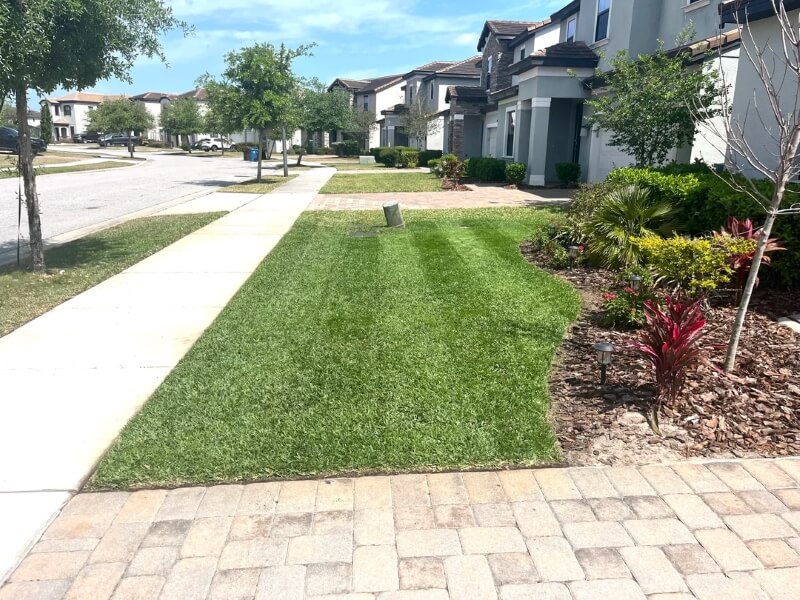
The next few pictures (one shown below) demonstrated the damage caused by the HOA team during the winter, resulting in some dry spots and what appear to be lawnmower marks. The homeowner said they then decided to maintain the space themself.
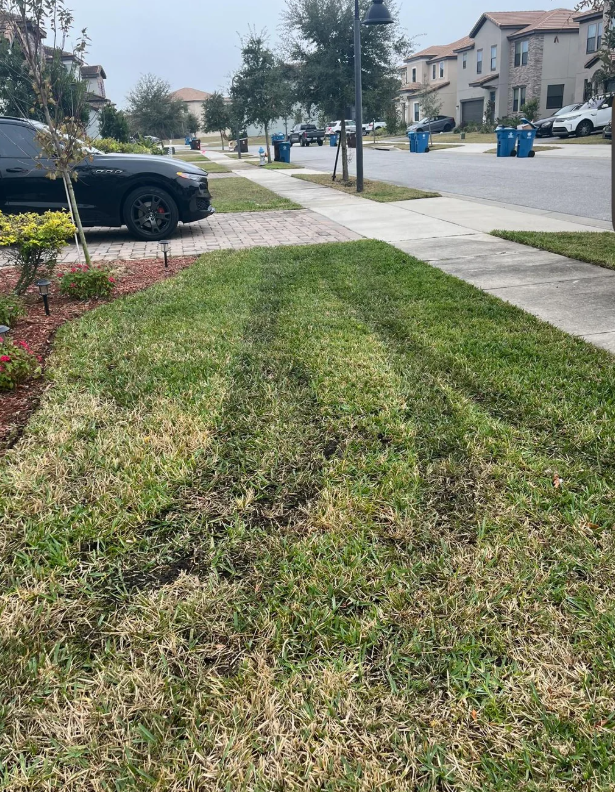
The last few examples (again, one shown below) presented other lawns that looked worse than the Redditor's "violation." Yet those homes had not faced a fine.

The homeowner believed the bias was a result of the "HOA president singling me out for question[ing] the way they are abusing the HOA and its financials," as they noted in the comments.
The situation garnered sympathy from one commenter who shared, "Sounds like harassment. My HOA has been singling me out as well."
Maintaining one's own lawn can be better for the homeowner, community, and environment in the long run. You can reduce noise and air pollution from lawn equipment by using electric tools, for example.
TCD Picks » Quince Spotlight
💡These best-sellers from Quince deliver affordable, sustainable luxury for all




In addition to preventing another mishap by the HOA lawnkeepers, individual lawn control allows gardeners to enjoy the physical and mental benefits of working in a yard.
However, monoculture lawns, like the original poster's, aren't the best for the environment, as they often require chemical fertilizers or weed control to maintain their lush appearance. They also don't benefit pollinators.
|
Should homeowners associations be able to determine what you grow in your garden?
Click your choice to see results and speak your mind. |
 Yes 💯
Yes 💯 HOAs typically favor these lawns, though, even though natural lawns support pollinators by providing diverse habitats and food sources — which may even attract rare species.
The smallest patch of native plants can allow for increased oxygen production and carbon dioxide absorption compared to typical grass lawns, making it easier for the community to breathe cleaner air. It also adds diverse aesthetics to the neighborhood, which removes the cookie-cutter element.
For those living in wet zones, explaining to an HOA that a rain garden can conserve water by relying solely on rain runoff for irrigation, thereby helping to reduce water bills associated with yard maintenance, might make a strong case for a landscaping alternative.
The OP isn't alone in their HOA problems.
One native lawn owner got citations for a few weeds despite trying to remain HOA-compliant. Another HOA resident got notices about previously approved native plants.
Working with the HOA to change harsh bylaws can create a more eco-friendly community. You can further take local action by comparing state laws to HOA guidelines — hint, the state laws supersede them.

Join our free newsletter for easy tips to save more and waste less, and don't miss this cool list of easy ways to help yourself while helping the planet.






