


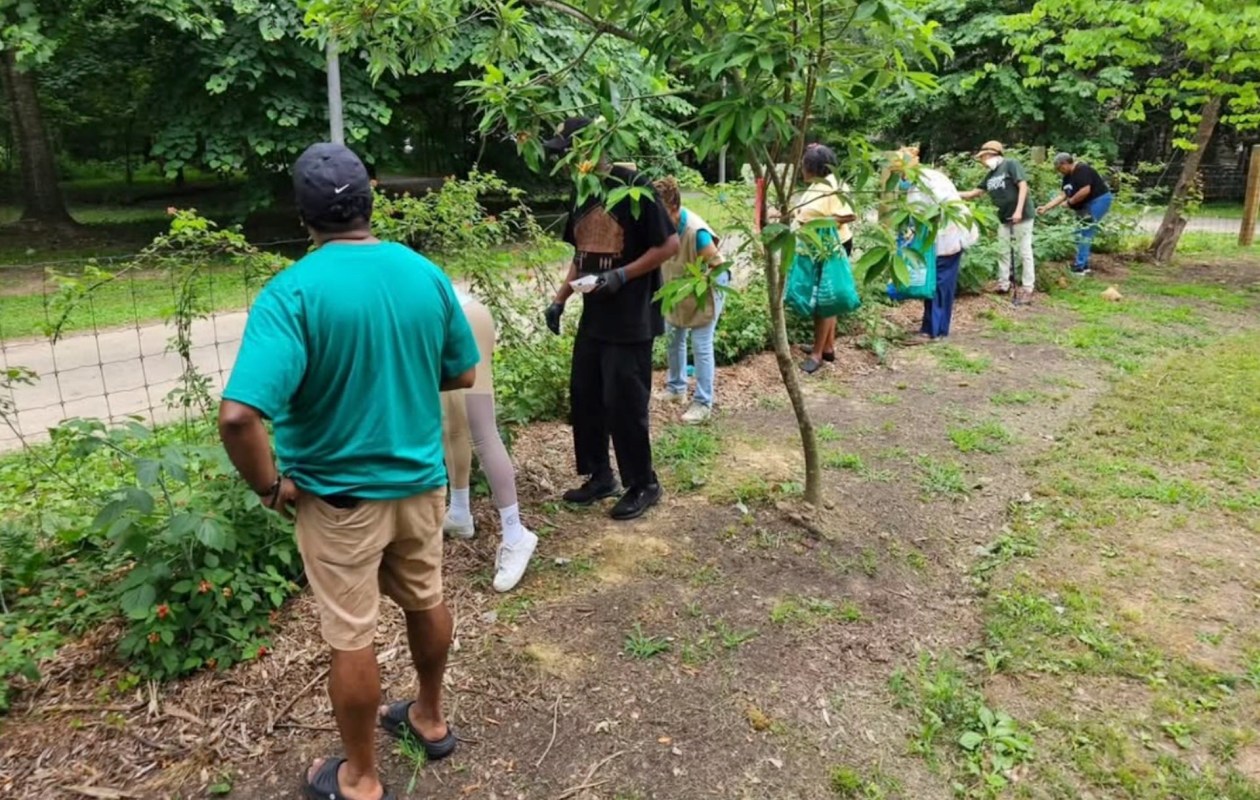
In Hyattsville, Maryland, a local park is also a free grocery store for residents.
This urban "food forest," converted from two commercial lots about 20 years ago, features food-bearing trees and shrubs. It is intended to mimic the natural ecosystem, The Washington Post explained.
The city even offers a list online that tells residents what they can expect to find in its two food forests during different times of the year. For instance, a search for July-September 2025 found plants including sea kale, black raspberries, apples, pecans, and turkey figs.
"Anyone is welcome to visit and harvest!" the site says.
Meanwhile, the Maryland Forest Service promotes the benefits of food forests across the state, including the Edible Trail, which covers 1.5 acres in a corner of White Marsh Park in Centreville. The plots here grow blueberries, American plums, hazelnuts, black chokeberries, and persimmons. Other selections like beach plums, serviceberries, and elderberries may be added in the future.
The Post reported that such food forest projects have popped up in other cities, including Atlanta, Boston, Denver, Philadelphia, and Seattle. One Tucson, Arizona, resident is spearheading a food forest project there to help cool down neighborhoods and combat hunger. People are even turning their own backyards into their own personal mini food forests.
TCD Picks » Quince Spotlight
💡These best-sellers from Quince deliver affordable, sustainable luxury for all




Many public food forests focus on native plants, which helps support local pollinators and allows the plants to flourish naturally. These forest ecosystems can also sequester carbon and improve water quality, according to the U.S. Forest Service.
Upkeep has to be a key part of the strategy, though. Food forests need regular maintenance, mowing, and weeding — the Hyattsville crew mows and weeds every two weeks.
"I could spend a whole day here and not be done," City Arborist Dawn Taft told the Post.
Many cities and states already have tree-planting goals to help with cooling, and so food forest projects can be a win-win. For instance, Maryland is working toward its 5 Million Trees Initiative.
|
What is the biggest reason you don't grow food at home? Click your choice to see results and speak your mind. |
 Not enough time ⏳
 Anna Twigg, a Maryland Forest Service tree planting specialist, called food forests "a cool way to add another layer to tree plantings" in a release.
"Beyond all the other things that trees do, it's fun to be able to eat things off of them too," she added.

Join our free newsletter for easy tips to save more and waste less, and don't miss this cool list of easy ways to help yourself while helping the planet.







