


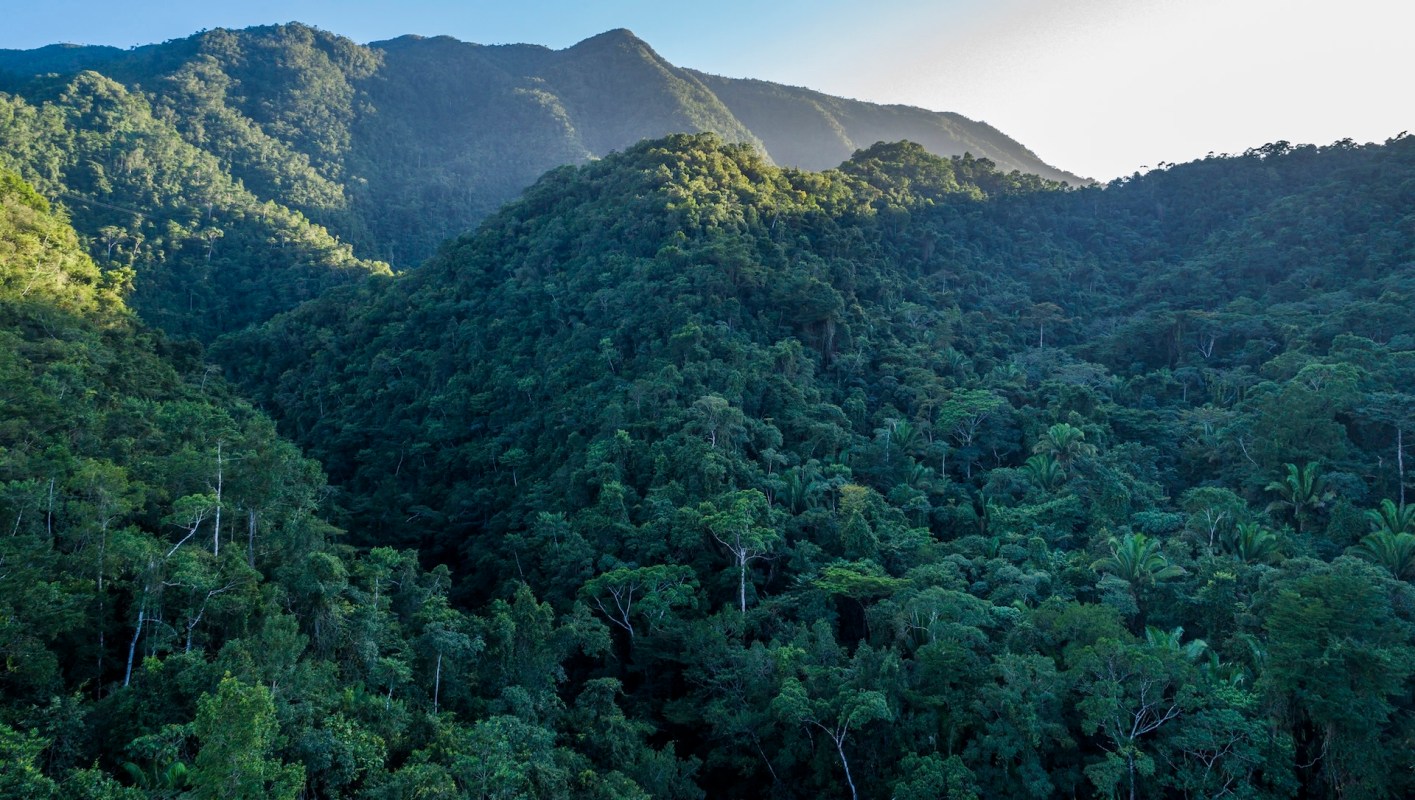
The Guatemalan government is taking a bold step to help fight the loss of rainforests to ranching and protect one of its national forests.
According to Mongabay, the government is closing the Xan oil field within Laguna del Tigre National Park, which had produced 90% of the country's oil output over the last 24 years.
It said it would be using the land to build a base for law enforcement and military operations, with a focus on protecting the park and its rainforest from illegal activity.
The oil field had drawn criticism for its water-intensive procedures and for being an active pollutant to the surrounding landscape as it extracted between 5,000 and 7,000 barrels of crude oil per day, leading the government to conclude that its profits were not worth the cost.
Laguna del Tigre is within the Maya Biosphere Reserve, a protected corridor of rainforest that spans Belize, Guatemala, and Mexico. However, Laguna has fallen victim to illegal ranching and human settlement operations with ties to criminal organizations; its forested land has shrunk considerably in recent years.
"This marks the beginning of a process of taking control of a vast portion of the national territory that has long been open to all kinds of actors who often exploit it for illicit activities," President Bernardo Arévalo said during a speech about the new facility, per Mongabay.
TCD Picks » Quince Spotlight
💡These best-sellers from Quince deliver affordable, sustainable luxury for all




Guatemala hopes that the presence of the troops and police, with a focus on illicit land activity, will help to slow the loss of crucial biodiversity in the rainforest.
"With increased state presence, local communities should finally have the opportunity to engage as allies in the management, restoration, and sustainable development of Mesoamerica's largest national park, including through habitat restoration concessions or other new approaches that offer a win-win for nature and local people alike," Wildlife Conservation Society Guatemala program director Gabriela Ponce said in a statement to Mongabay.
The rainforests of Central America are a vital part of our global ecosystem. It is a unique environment, full of unique species of plants and animals, and has been under threat because of deforestation for a long time.
As demand for beef and other meat grows, so does the demand for farmland on which to raise that meat. Because cows can't graze in the rainforest ecosystem, chunks of forest must be razed and replaced with sprawling grass fields.
|
Do you think your city has good air quality? Click your choice to see results and speak your mind. |
 Definitely 🥰
 Apart from the loss of biodiversity in those destroyed forests, the new grassland increases risks of wildfire as well as the threat to humans from wildlife whose native landscape has been encroached upon.
However, conservationists in the area are skeptical of the new plan's success, noting there are already military and police in the area, but little is done to quell the deforestation due to rampant corruption.
"There's a big political show going on right now," said Francisco Asturias, coordinator of the Petén region for the Foundation for Ecodevelopment and Conservation, per Mongabay. "It's not a new invention of these governments to claim they're going to save the Maya Forest."

Join our free newsletter for good news and useful tips, and don't miss this cool list of easy ways to help yourself while helping the planet.






