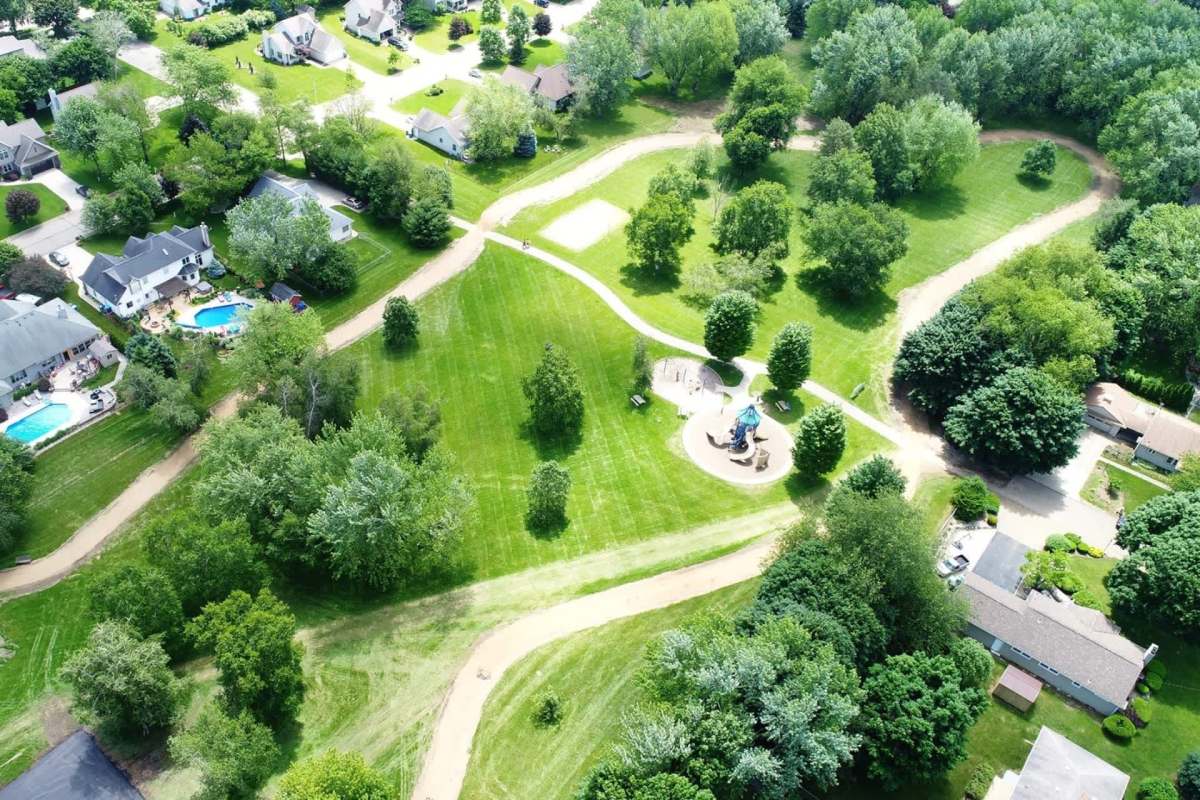
A very pretty but invasive plant has been found in a Michigan park, according to local outlet WOOD TV8.
What's happening?
The Michigan Department of Natural Resources identified purple jewelweed at Frays Park in Kalamazoo last month.
"I knew right away this was an unusual plant, so I took some photos," Hannah Whiteman, a landscape coordinator at Kzoo Parks, said in a news release. "It wasn't until winter that I took a tutorial on the [Midwest Invasive Species Information Network's] Learn platform and used my photos to determine the plant was invasive purple jewelweed."
Thanks to an observant community member and action from BCK CISMA and Michigan Department of Natural Resources,...
Posted by Kzoo Parks on Tuesday 26 August 2025
Purple jewelweed, or Himalayan balsam, produces a high amount of nectar, often luring pollinators away from nearby native plants. Combined with large seed production, the plant is able to spread rapidly.
Why is the spread of purple jewelweed concerning?
Invasive species are a major hazard to ecosystems worldwide. When an animal or plant is moved from an area to which it has naturally adapted in a healthy balance with other species, it can escape its checks and balances. In a new habitat, it may quickly outcompete native flora and fauna for key resources, such as water, nutrients, and space.
A hit to native species populations can lead to biodiversity loss, threatening the rich ecosystems that humans and countless lifeforms rely on. The presence of purple jewelweed can also "alter water flow at high densities, which increases the risk of erosion and flooding," according to the Michigan Invasive Species website.
TCD Picks » Good Store Spotlight
Get 10% off your next purchase with code TCD10




One estimate suggests that invasive species can cause hundreds of billions of dollars in economic costs each year.
What's being done about purple jewelweed?
Michigan wildlife officials provided three pieces of guidance for residents regarding purple jewelweed.
First, don't plant more of it. No matter how pretty it looks, you'll want to stick to cultivating native plants.
Second, familiarize yourself with the plant so you can help identify it in the wild.
TCD Picks » Quince Spotlight
💡These best-sellers from Quince deliver affordable, sustainable luxury for all




|
Should the government be allowed to ban certain plants? Click your choice to see results and speak your mind. |
 Definitely 👍
 Third, submit a report through MISIN's online tool if you do spot the plant. Several patches of purple jewelweed have already been removed.
"Hannah at Kzoo Parks was able to keep an eye on the site until the plants re-emerged," said invasive species management area coordinator Sara Huetteman.
"I reached out to the Michigan Invasive Species Program to let them know the report was confirmed, and their new staff was able to get some hands-on training in identifying and removing purple jewelweed."

Join our free newsletter for good news and useful tips, and don't miss this cool list of easy ways to help yourself while helping the planet.