


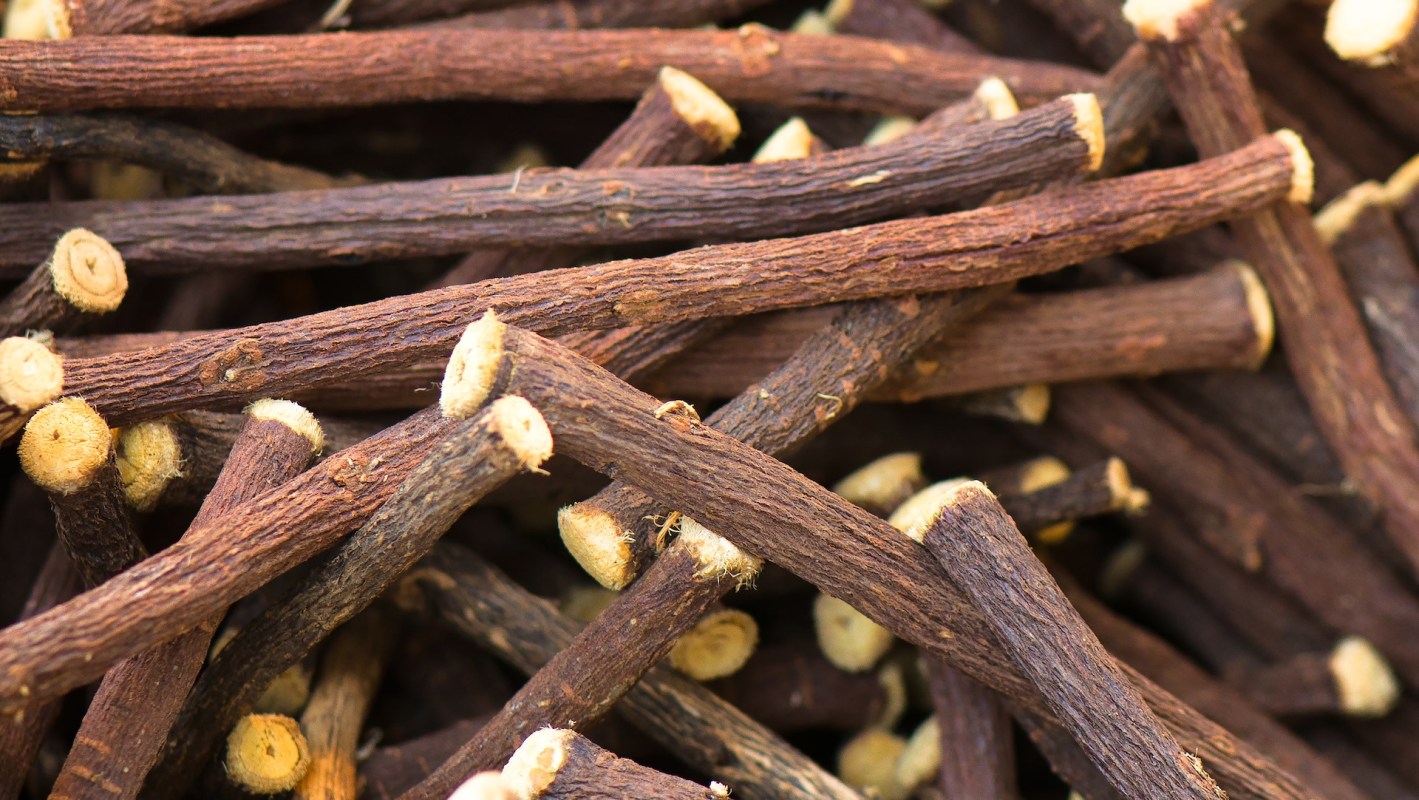
According to ThePackHub, Italy-based biotech startup Alkelux has developed a sustainable antimicrobial additive derived from licorice waste, which can be incorporated into packaging materials to extend the shelf life of perishable foods, such as strawberries and blueberries.
According to the company, researchers sought to reduce food waste in Italy by enhancing food packaging standards. The team stated that in 2023, food waste cost the country's economy more than €9 billion (nearly $10.5 billion).
On a global scale, food loss squanders over 250,000 liters of water and "misuses 1.4 billion hectares [nearly 3.5 billion acres] of agricultural land."
The eco-friendly packaging is made from licorice processing waste and comes in powdered form, so it can be easily integrated into the manufacturing process of existing plastic films or compostable materials. It's also metal-free, water-soluble, and doesn't require industrial production lines to be updated. This reduces barriers for food manufacturers that want to adopt the additive.
ThePackHub explained that one of the best features of the nanomaterial is its photoactivity. When sunlight or artificial light hits the material, its antimicrobial properties increase, allowing for better control of viruses, bacteria, and mold that could infiltrate fresh produce.
Since the material prolongs the shelf life of fruits and vegetables, customers can save money on groceries while enjoying their produce for a longer period. In addition, the development benefits the planet since it's biodegradable, made of 100% natural materials, and supports a circular economy where resources are reused rather than thrown away.
TCD Picks » Quince Spotlight
💡These best-sellers from Quince deliver affordable, sustainable luxury for all




A news release from Alkelux revealed that initial tests on strawberries showed the nanomaterial was able to "improve the performance of traditional plastic packaging by one week compared to non-functionalized packaging."
The team initially ran tests solely on plastic but is now turning to trials using cardboard packaging. After testing other fruits, including grapes and blueberries, the company aims to bring the technology to market in 2026, starting with South American countries.
As more food producers and packaging companies show interest in eco-friendly, plastic-free packaging, the invention has the potential to revolutionize the food sector in the near future.
While it's not a total replacement for plastic, the fact that it can extend the shelf life of perishable items will go a long way in reducing overall waste and planet-warming pollution from plastic manufacturing, which involves the use of dirty fuels.
"Alkelux's liquorice-based nanomaterial is an exciting development that merges scientific research with sustainability in a very tangible way. Extending the shelf life of fresh produce without synthetic preservatives is a major step forward, and this solution addresses both environmental and commercial challenges head-on," Paul Jenkins, managing director of ThePackHub, said in a statement.
|
Which eco-friendly initiative would make you most likely to buy products from a clean beauty brand?
Click your choice to see results and speak your mind. |
 Using less plastic packaging 🗑️
Join our free newsletter for good news and useful tips, and don't miss this cool list of easy ways to help yourself while helping the planet.






