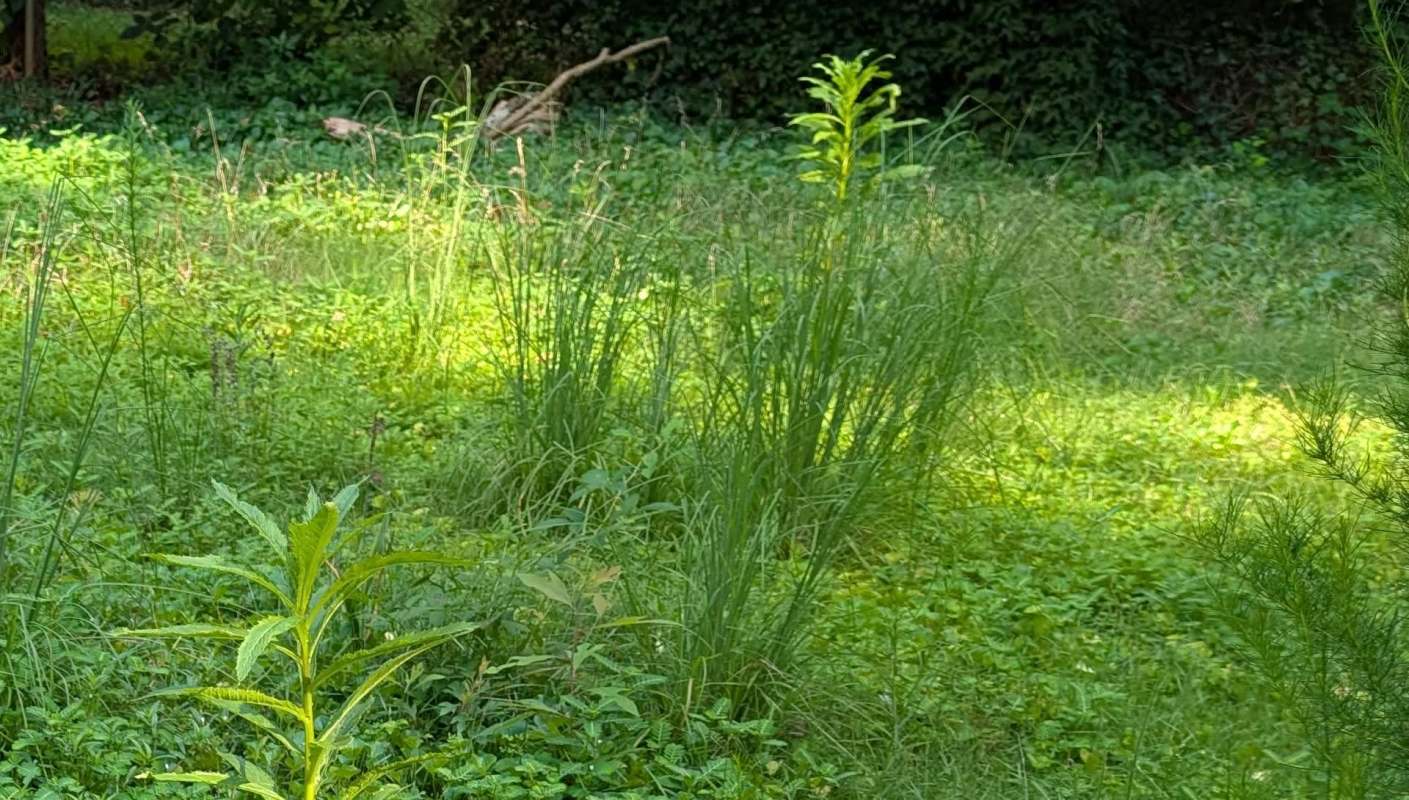
There's no way around maintenance if you have a lawn, which one homeowner learned the hard way when they stopped mowing a third of their grass.
It quickly became overtaken by a locally rampant invasive plant species, and they sought advice from the r/NoLawns subreddit.
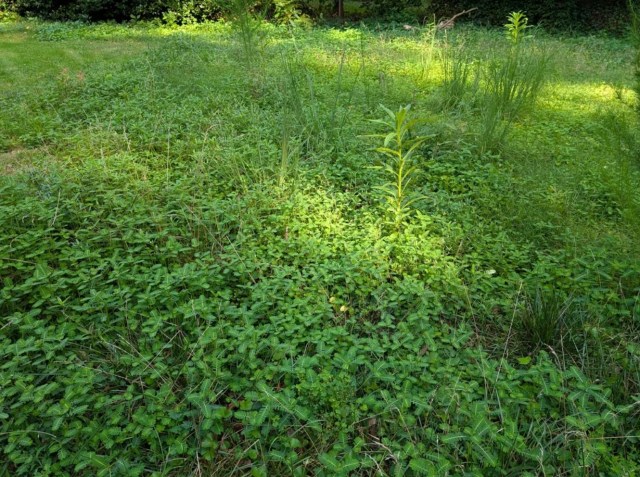
The lawn was "largely overrun with invasive chamberbitter (Phyllanthus urinaria). It's all over the neighborhood and I'm unsure of what to do," the original poster explained.
The picture that the poster attached showed just how overgrown the lawn was, with large patches of chamberbitter dominating it.
"Is my only option herbicides?" they asked.
Phyllanthus urinaria, also known as chamberbitter, is a tropical plant native to Asia and parts of the Pacific Northwest, according to the Center for Invasive Species and Ecosystem Health.
TCD Picks » Quince Spotlight
💡These best-sellers from Quince deliver affordable, sustainable luxury for all




It has spread to the southern part of the U.S., with reports of the invasive plant species appearing in Florida, Texas, Louisiana, Mississippi, and Alabama, according to data from an Early Detection & Distribution map.
Like most invasive plants, chamberbitter grows quickly and aggressively, taking over native habitats if given the opportunity. The plant grows a fibrous, woody stem that allows it to reach a height of one to two feet tall, according to the Louisiana State University AgCenter. This invasive species also produces thousands of seeds that germinate above 75 degrees Fahrenheit.
One commenter suggested that the poster remove as much of the plant as possible, lay something down to suffocate the weeds, and immediately install fast-growing native plants.
"Just don't turn your back on them. Absolutely one of my top garden enemies," they added.
|
What's the hardest thing about taking care of your yard? Click your choice to see results and speak your mind. |
 Mowing the lawn 🏡
 Native plants could help crowd out any remaining chamberbitter or invasive plant species while building a healthier environment for local wildlife and pollinators. Pollinators flock to native plants for nectar and pollen, which helps with plant reproduction and protects the food supply for both humans and wildlife.
Popular lawn replacement options include clover and buffalo grass, which maintain a traditional turf aesthetic while saving homeowners time and money on maintenance.
Other commenters suggested using a tarp or cardboard to cover the weeds, starving them of essential sunlight needed for photosynthesis. Another user cautioned the original poster about tenacious seedlings.
"Chamber bitter seeds can lie dormant for many years and will come up anywhere," the user explained. Others were action-oriented and encouraging.
The poster could "still get rid of them quickly by using tarps and keeping [them] wet, like almost soaking wet," a tactic "most effective during summer months," a commenter advised.

Join our free newsletter for easy tips to save more and waste less, and don't miss this cool list of easy ways to help yourself while helping the planet.