


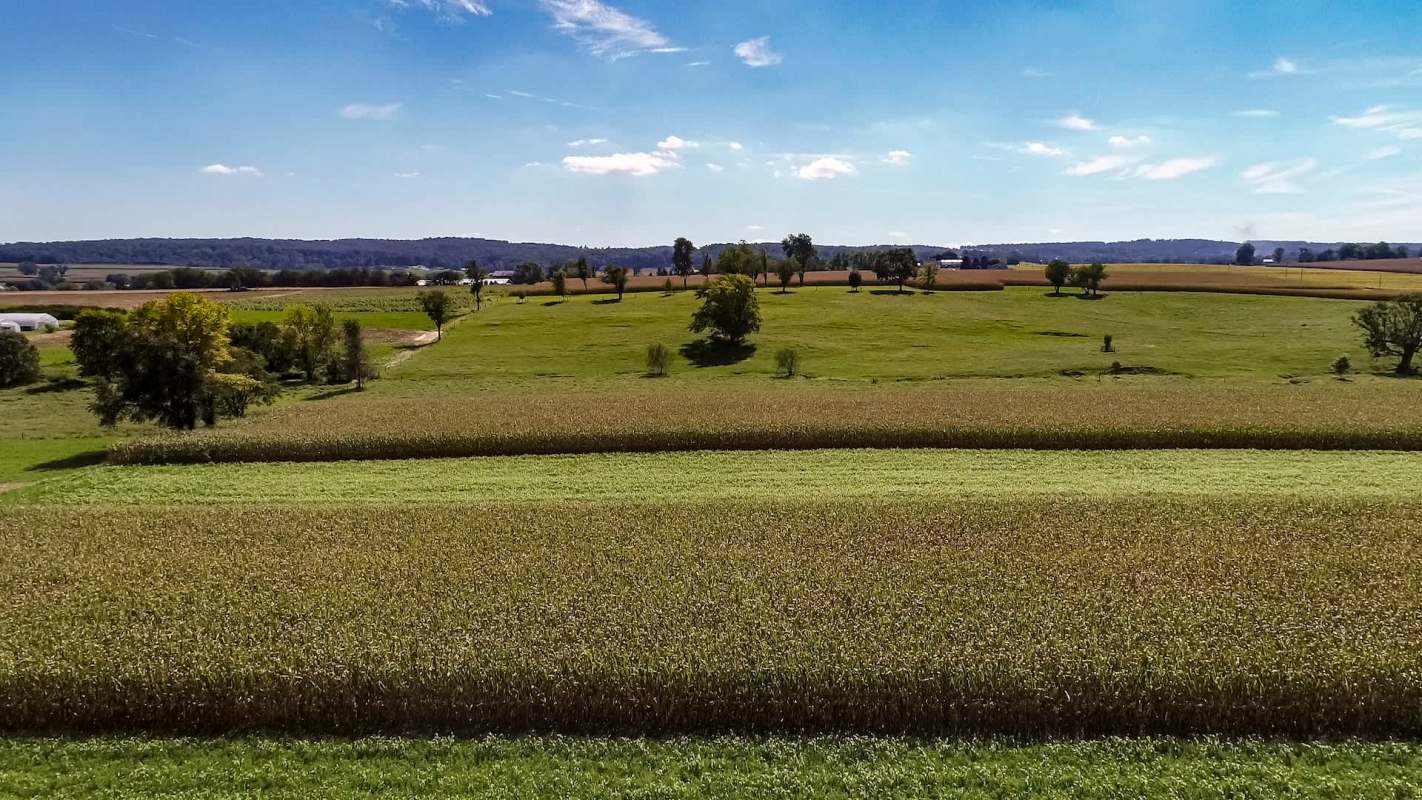
A type of rock could be the key to keeping agricultural field carbon emissions under control.
Agriculture — livestock, farmland, and other farming activities — is responsible for around 10% of our planet's annual carbon emissions.
Hundreds of millions of tons of planet-warming gases, like methane, carbon dioxide, and nitrous oxide, pollute the air, but limestone could reduce that number.
A Yale-led study, published in the journal Nature Water, found that spreading crushed limestone throughout farmland could significantly reduce pollution by storing carbon.
Limestone is good for the soil, and it's also inexpensive, making it an accessible and sustainable solution to address some agriculture-related carbon issues.
Crushed limestone reacts with carbon dioxide in the air, forming bicarbonate ions. These ions are easily washed away by rain and enter waterways, where they become a carbon-storing solid called calcium carbonate.
TCD Picks » Quince Spotlight
💡These best-sellers from Quince deliver affordable, sustainable luxury for all




Limestone won't reduce the emissions produced, but it could prevent them from entering the atmosphere for millions of years.
"There is growing scientific consensus that removing carbon from the atmosphere is necessary to hit carbon goals," Yale Professor Peter Raymond said. "At this point, halting emissions won't be enough."
Any progress is good progress when it comes to cleaning up carbon, with scientists across the globe working on new ways to reduce its negative impacts.
Industrial processes are becoming greener by utilizing energy generated from solar, wind, and water sources. Recycling is getting easier and cheaper, which helps to conserve finite resources and reduce emissions. Meanwhile, everyday lifestyle choices — installing solar panels, driving an electric car, and eco-friendly home upgrades — are making a big difference, too.
|
What is the biggest reason you don't grow food at home? Click your choice to see results and speak your mind. |
 Not enough time ⏳
 Limestone isn't a one-and-done solution for reducing agricultural carbon, but it's a step in the right direction.
"First and foremost, modifying liming practices is a way to drive carbon removals that helps farmers," Raymond said. "It should be a priority."

Join our free newsletter for weekly updates on the latest innovations improving our lives and shaping our future, and don't miss this cool list of easy ways to help yourself while helping the planet.






