


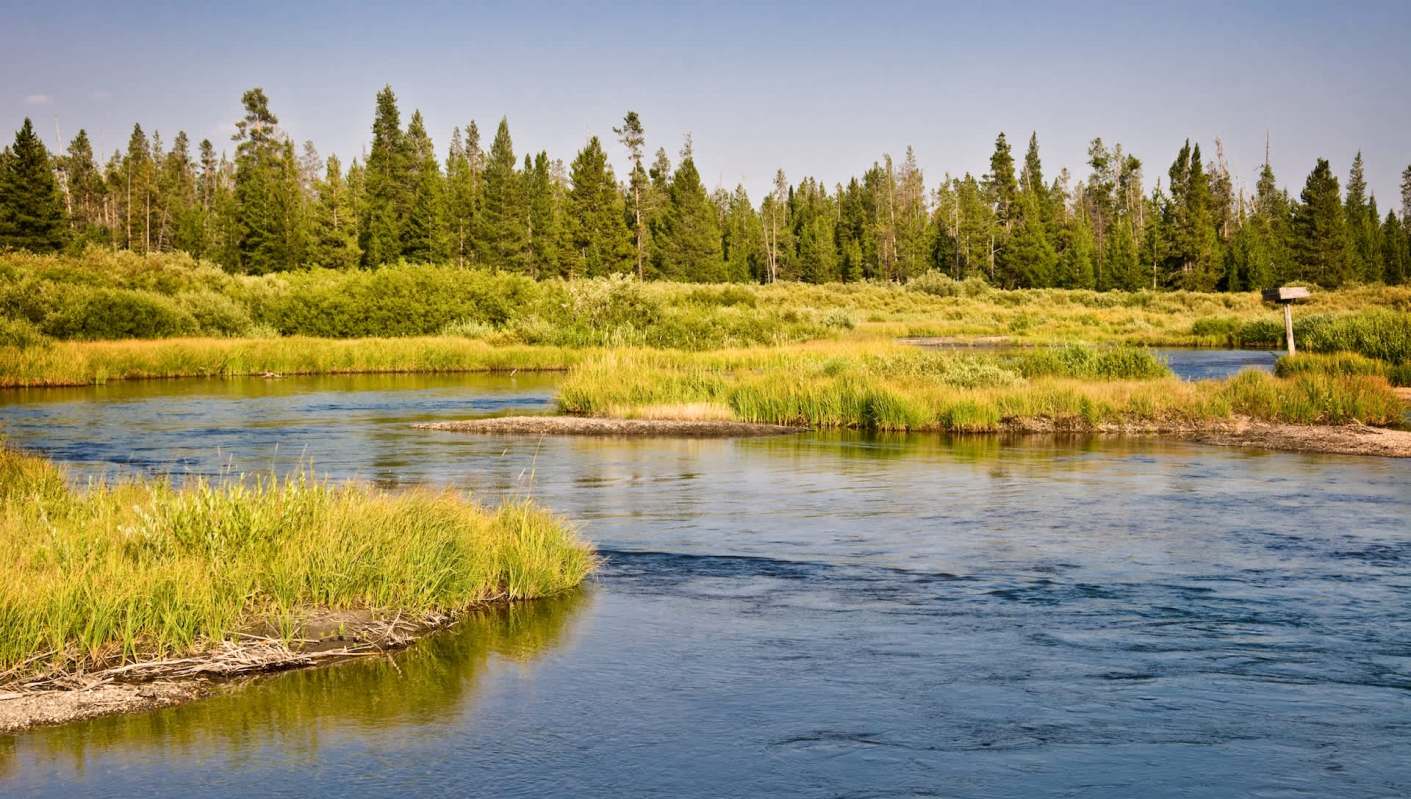
Montana's Fish, Wildlife & Parks agency is launching an unorthodox initiative to protect and restore a recently uncovered population of a native fish species.
The Daily Montanan reported that officials discovered the presence of westslope cutthroat trout in Elk Creek, a tributary of the Madison River. The trout were once found in waters all over the Treasure State but now occupy just 14% of their historic range. Habitat destruction and competition from introduced non-native species (as well as interbreeding with them) have caused their numbers to plummet.
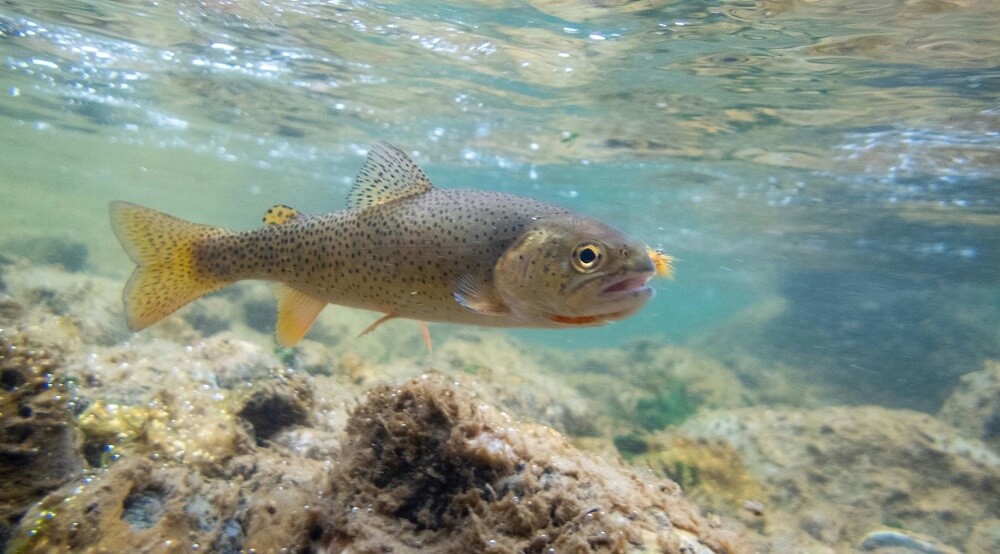
To arrest this decline, officials will extend the trout's presence in the stream to 8 miles from the just 0.8 miles they presently occupy. The plan is to block off and remove non-native brook trout with a plant-based fish toxin called rotenone.
FWP's lead staff member on the Elk Creek initiative, Jenna Sirmon, said, per the Montanan: "This project will help ensure the survival and continued genetic diversity of native westslope cutthroat trout in this Madison River tributary."
The cutthroat trout has over a dozen subspecies found across the Western states. The name comes from the distinctive red splotches on their lower jaws and necks — hence "cutthroat." The U.S. Fish & Wildlife Service describes these spirited fish as "the spiciest trout in the West." The westslope cutthroat is instantly recognizable for its black spots. It's Montana's state fish and can also be found in the rivers in nearby Idaho and Wyoming.
The westslope cutthroat trout is considered a keystone species as it serves as an important food source for several birds and mammals. According to the National Park Service, the work to restore the trout in Elk Creek is just one of several ongoing initiatives to revive the fortunes of this popular species.
TCD Picks » Quince Spotlight
💡These best-sellers from Quince deliver affordable, sustainable luxury for all




Targeted local action has a proven track record of success for fish in other states. Arizona's Apache trout were removed from the endangered species list after their numbers recovered sufficiently. Similarly, in Oregon, the bull trout has made a significant recovery after decades of conservation efforts. While there's still a great deal of work, there's every reason to be optimistic for the westslope cutthroat's recovery in the long term.
|
Do you think the U.S. should tax goods from China? Click your choice to see results and speak your mind. |
 Definitely 👍
Join our free newsletter for good news and useful tips, and don't miss this cool list of easy ways to help yourself while helping the planet.







