


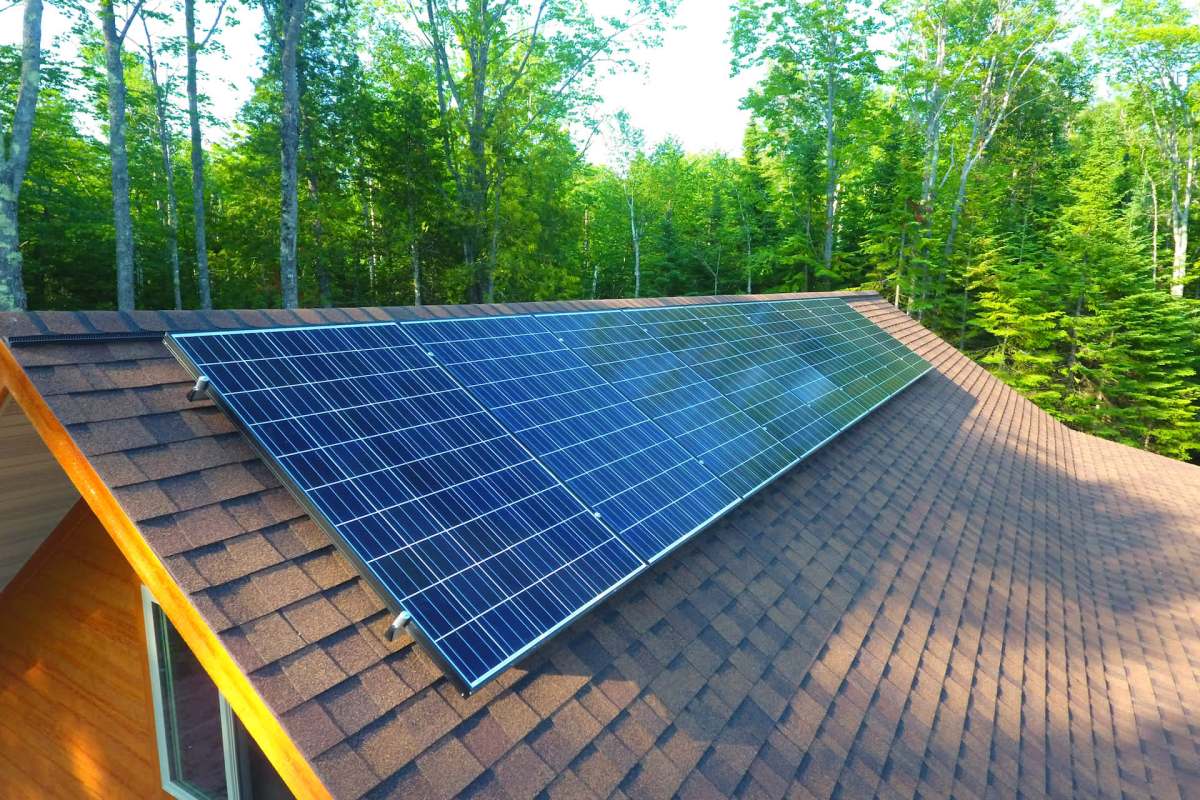
Tiny homes are often a microcosm of sustainable living practices in a small package. A recent example comes from Australia, where a couple moved to the country, leaving behind a city apartment and higher costs.
A large reason for the lifestyle change is energy independence. The couple, Paul and Annette, is leveraging the best residential hack for accessing free electricity: a rooftop solar array, according to their story, shared by EnergySage.
"Instead of getting a mortgage, we just built a tiny house and went off-grid," Paul said. The quote was pulled from an episode of Bryce Langston's "Living Big in a Tiny House" YouTube series, which provides an in-depth tour of the small, rectangular home on wheels.
EnergySage is a trusted resource that can help people with houses of all sizes achieve energy independence, reducing or even eliminating utility bills. A government study has proved that the average American household saves nearly $700 annually, after accounting for initial expenses.
For their part, tiny homes are a unique solution for folks who want to downsize. The abodes are often located in rural settings, but even a smaller bungalow or a boathouse counts, according to Country Living.
"We haven't looked back. We love it," Paul said in the EnergySage story. The couple's tiny home included other efficient hacks such as solar water heating and on-site biogas production for cooking. The gas is produced from composted food scraps, per the clip.
Other tiny homes even include human-sized hamster wheels for exercise and energy production, as is the case with rental cabins in Quebec. It all helps to reduce heat-trapping air pollution, linked by NASA to greater risks of heat waves that could make some places uninhabitable.
Since solar panels last for more than 30 years, they are a long-term, money-saving investment. They provide a portable power supply that can be moved along with the dwelling. When coupled with a battery, the free solar energy can be stored for later use.
Save $10,000 on solar panels without even sharing your phone number Want to go solar but not sure who to trust? EnergySage has your back with free and transparent quotes from fully vetted providers that can help you save as much as $10k on installation. To get started, just answer a few questions about your home — no phone number required. Within a day or two, EnergySage will email you the best local options for your needs, and their expert advisers can help you compare quotes and pick a winner. |

"We've noticed more people gain financial independence through lower living costs and the ability to generate their own power using solar. [People are] seeking a more sustainable way of living and the freedom that comes with moveable tiny homes, as solar allows people to live comfortably off-grid," a spokesperson for Tiny Solar Homes told EnergySage.
That's in addition to greatly boosted property values. EnergySage reported that real estate values are jumping up to 10% thanks to the installations, more than double previous estimates.
|
Would you cover your home with reflective solar paint? Click your choice to see results and speak your mind. |
 Sign me up 👍
 EnergySage can help anyone in most parts of the United States secure tax incentives while they last, find a professional installer, and save up to $10,000 to get set up. Since the government is sunsetting solar tax breaks of up to 30% early at the end of the year, fast action can ensure you lock in all the perks.
EnergySage also has a handy mapping tool that compares state-by-state costs and perks, making sure you aren't missing a rebate, no matter where you live. Additionally, the company offers a tool for those looking to save even more money by pairing solar panels with an upgraded HVAC system. If you're trying to pay even less for home energy, check out its heat pump quotes comparison tool to find the right installer for your home and budget.
More From EnergySage
💡Go deep on the latest news and trends shaping the residential solar landscape

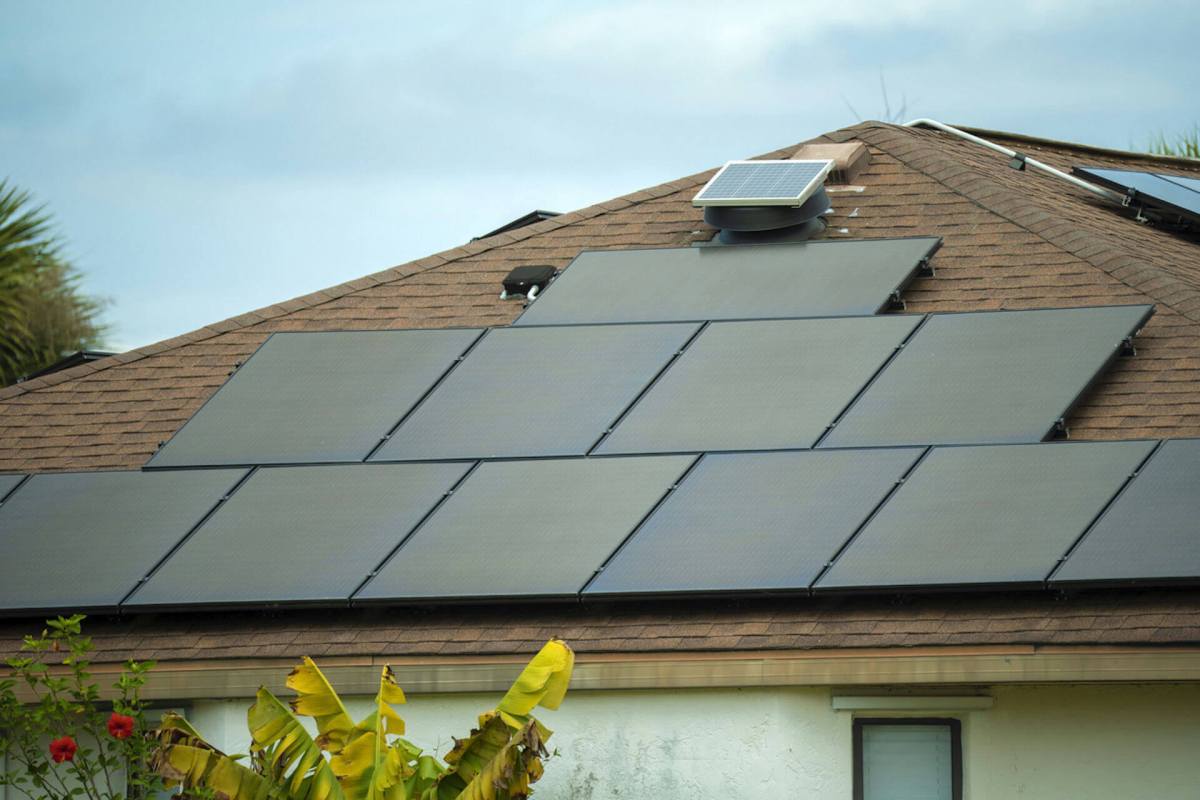

In Australia, the couple's tiny home required a 2-kilowatt system. For reference, EnergySage listed the average 5-kilowatt system in Texas at $10,454 with incentives. Prices vary by state and array size.
Down Under, Paul and Annette are maximizing the savings by also charging their electric vehicle with the panels.
"It's free fuel, really," Paul said in the YouTube clip.

Join our free newsletter for easy tips to save more and waste less, and don't miss this cool list of easy ways to help yourself while helping the planet.






