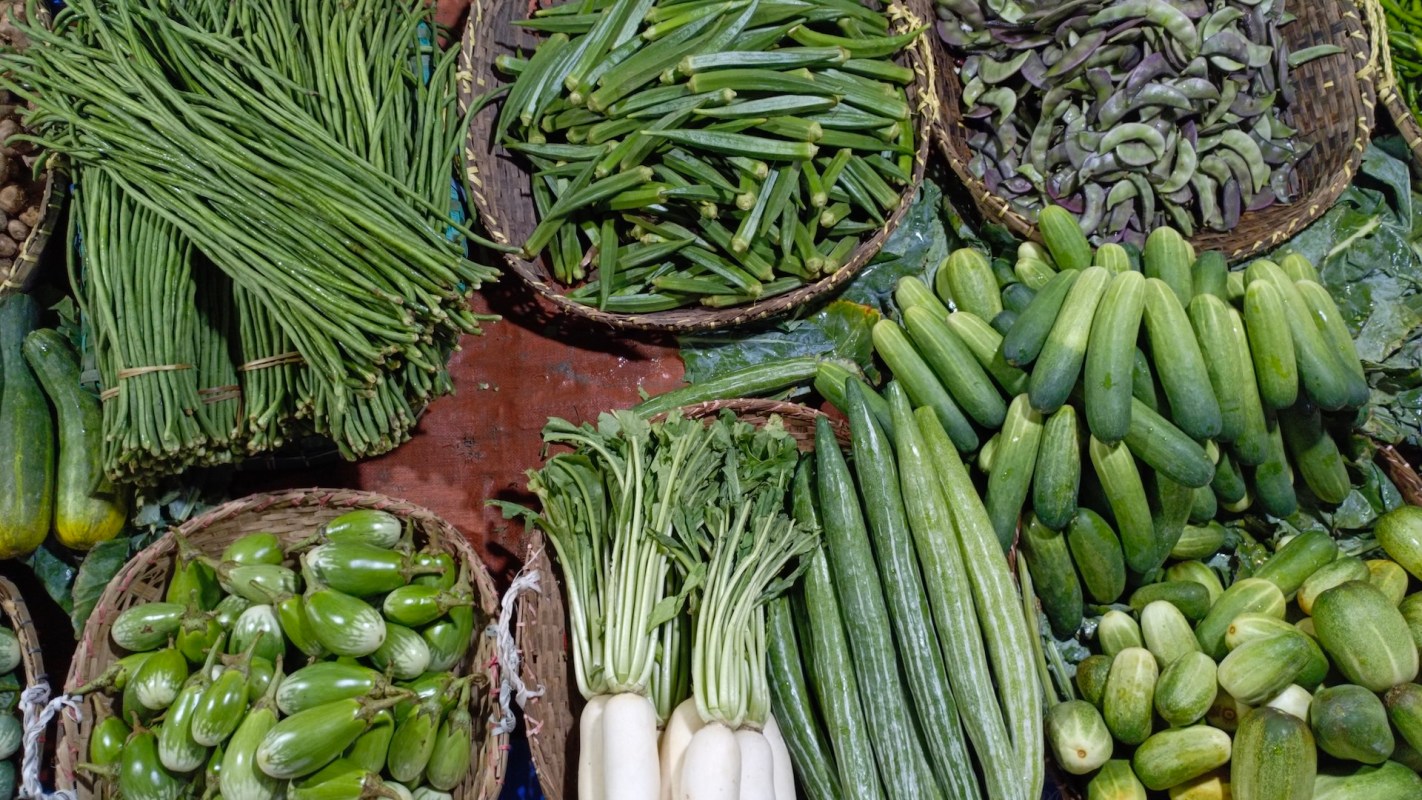
Bangladesh is reeling from heavy monsoon rains that have left farmland waterlogged, disrupted transportation, and sent the prices of everyday food staples soaring, according to the Daily Observer.
What's happening?
Earlier this month, the Trading Corporation of Bangladesh (TCB) confirmed sharp increases in essentials like flour, lentils, onions, garlic, chicken, and eggs, with cooking oils and spices also rising. While some items, like potatoes and local garlic, have held steady, the overall spike is squeezing everyday families the hardest.
Experts attributed the price increases to waterlogged farmland, damage to crops, and transportation challenges caused by the heavy rain, with fears of continued roadblocks and resulting inflation if conditions persist.
Why is this concerning?
While increased rainfall might suggest a boost in food supply, volatile weather can devastate crops, leading to financial losses for farmers and higher prices for consumers.
These price shocks hit the most vulnerable groups first, putting food security at risk for families across the country. But the crisis isn't just local: Bangladesh's agriculture-heavy economy is central to the global supply of rice, jute, and tea, meaning ripple effects can be felt far beyond its borders.
In Bangladesh, the entire economy has historically relied on agriculture, with nearly half of the population employed in the sector. Rice, jute, and tea are key resources and exports that the country relies on, in addition to wheat, peas, potatoes, and oilseeds, among many others. Traditionally, the country had relied on predictable monsoon seasons and dams to control floods and conserve water. But recent monsoons negate all of that.
TCD Picks » Quince Spotlight
💡These best-sellers from Quince deliver affordable, sustainable luxury for all




This isn't limited to Bangladesh; everywhere from China to the U.S. is dealing with similar issues. As the planet heats up, the number of extreme weather events impacting everyday people rises everywhere, from monsoons to severe drought worldwide, causing conditions like this in Bangladesh that result in inflated food and essential prices while disrupting ecosystems and pushing at-risk animals even further into closer contact with humans.
These developments hinder progress toward a cleaner, safer future. Rising prices disrupt global markets, declining biodiversity among pollinators shrinks food supplies, and damaged ecosystems are less effective at recycling carbon and maintaining soil quality for future generations.
What's being done about these extreme weather trends?
Officials have urged the government to implement stronger subsidies and supply-chain interventions through the TCB to support vulnerable groups.
Meanwhile, new approaches to farming, from vertical farming in cities to mini-greenhouses growing at home, are offering sustainable ways to supplement food supplies while cutting down on long, carbon-intensive transportation chains.
For consumers, small smart shifts like shopping planning, meal prep, reducing food waste, or even growing a few vegetables at home can also help soften the blow of rising prices.
|
What is the biggest reason you don't grow food at home? Click your choice to see results and speak your mind. |
 Not enough time ⏳
Join our free newsletter for easy tips to save more and waste less, and don't miss this cool list of easy ways to help yourself while helping the planet.