


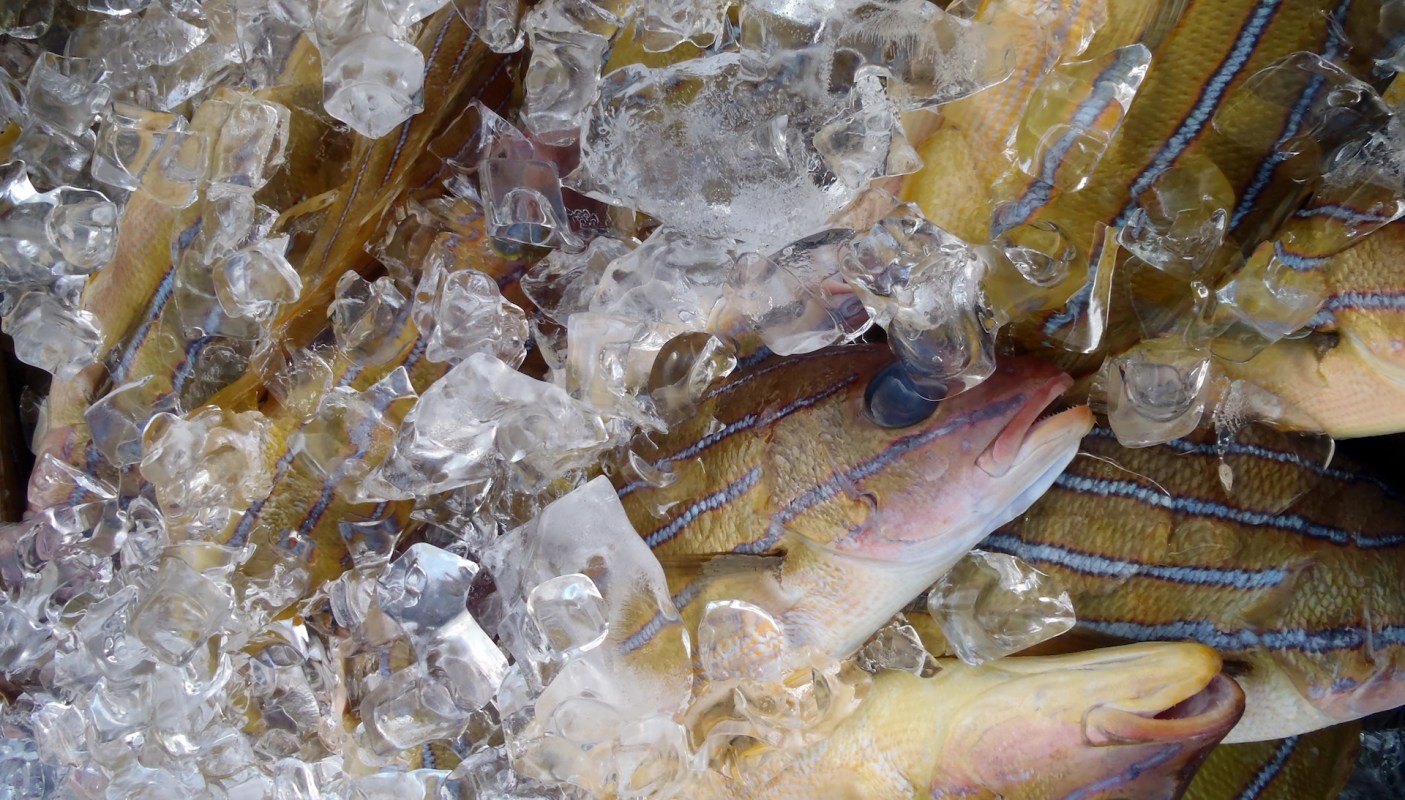
In the coastal waters surrounding Molokaʻi, a rural island in Hawaiʻi known for its pristine reefs, a once-vibrant marine ecosystem has given way to a "carpet of ta'ape," otherwise known as the invasive Bluestripe Snapper. The invader's striking electric-blue stripes and lemon-yellow skin juxtapose with its damage to the local environment.
Once introduced in the 1950s to bolster fisheries, this prolific species has multiplied explosively, outcompeting native fish for both habitat and food, in addition to thwarting the delicate balance of the reef ecosystem.
"Unlike visible dramatic events like hurricanes or wildfires, invasive species often proliferate in silence, yet their impact is steady and profound," Dr. Tracy Fanara, an environmental engineer, said, according to Oceanographic Magazine. "These impacts don't remain underwater."
In Hawaiʻi, where more than 5,000 non-native plants and animals have taken root, invasive species not only degrade ecosystems but also carry hefty economic burdens, costing the state tens of millions of dollars each year. Further, according to a report from the Intergovernmental Science-Policy Platform on Biodiversity and Ecosystem Services, invasive species rank among the top five direct drivers of global biodiversity loss.
"Allowing ta'ape to run rampant threatens not only the health of the reef but also the health and heritage of the communities that depend on it," Fanara added.
Recognizing the reef's decline, Conservation International Hawaiʻi launched the Ta'ape Project in 2020, aiming for "triple-win outcomes" that serve local fishers, businesses, as well as reef health.
TCD Picks » Quince Spotlight
💡These best-sellers from Quince deliver affordable, sustainable luxury for all




Ta'ape, known to most as "trash fish," are often discarded or relegated to bait. One of the project's most innovative strategies is partnering with chefs and businesses to feature it on restaurant menus. Rated a "Best Choice" by the Monterey Bay Aquarium, this effort reframes the invasive species as a sustainable seafood option.
When communities come together for a common goal, it's amazing what can happen. Serving up ta'ape helps take pressure off the reefs and gives local fishers and businesses a boost, proving that sometimes the best way to deal with a problem species is to eat it.
|
Which of these factors would most effectively motivate you to recycle old clothes and electronics?
Click your choice to see results and speak your mind. |
 Giving me money back 💰
Join our free newsletter for easy tips to save more and waste less, and don't miss this cool list of easy ways to help yourself while helping the planet.







