


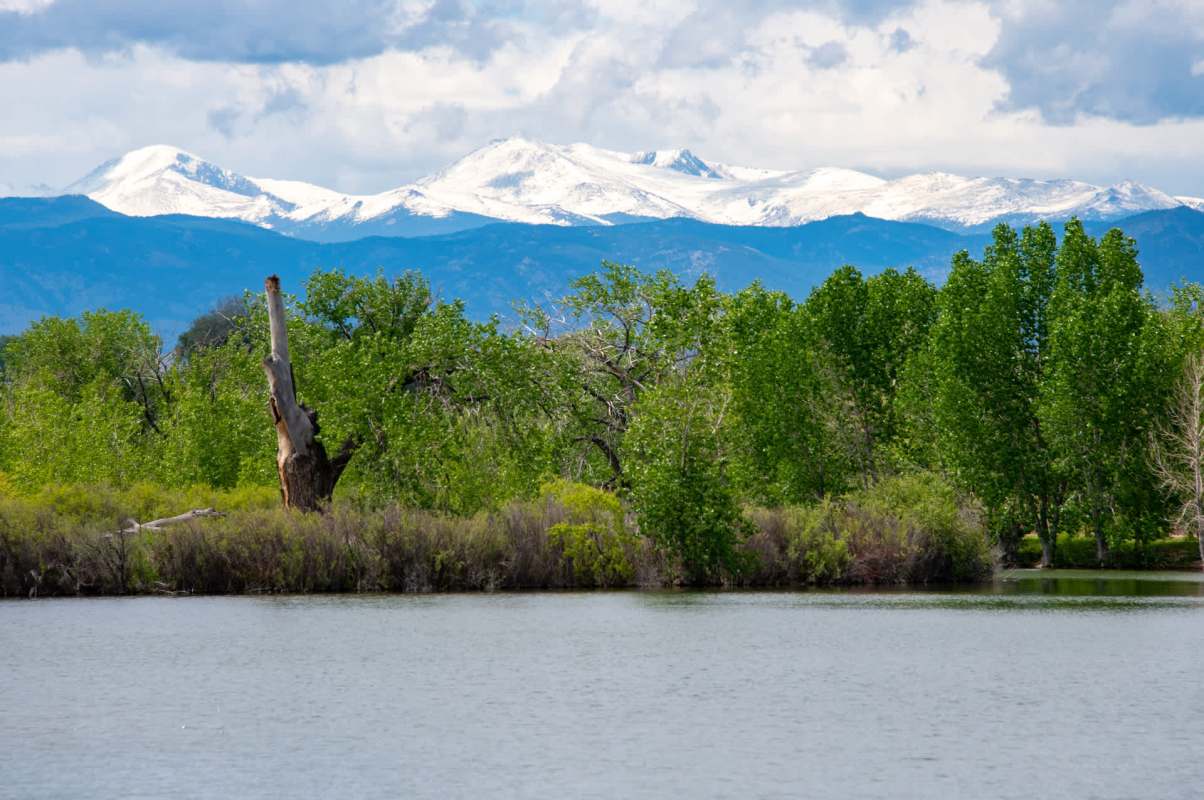
A young osprey died at St. Vrain State Park in Colorado after eating fishing equipment, the Longmont Times-Call reported.
What happened?
Staff at the park came upon the bird hanging lifeless from its nest. The osprey had swallowed a long stretch of fishing tackle while attempting to consume prey.
The gear got caught in the platform's materials, which stopped the bird from returning home or reaching the ground below.
Park authorities noted that many other species have suffered similar fates this summer. Geese, herons, pelicans, and turtles have all perished after eating abandoned hooks.
"Somebody's actions killed this bird, and other folks leaving their lines, litter, and illegal chum are causing more animals to get injured or die," park officials stated on social media. "You don't have to take part in the killing if you simply Leave No Trace."
Why is discarded fishing equipment threatening?
Birds often mistake hooks and lures for food, which leads to damage inside their bodies, starvation, or entanglement that stops them from feeding their young.
TCD Picks » Quince Spotlight
💡These best-sellers from Quince deliver affordable, sustainable luxury for all




Ospreys help maintain healthy aquatic ecosystems by controlling fish populations. Their presence means local water is clean and food chains are balanced. When these birds disappear from an area, it means there are broader environmental problems at play.
What can I do to stop untimely bird deaths?
If you fish, pack out every piece of gear you bring, including broken line, hooks, and lures. Check your fishing area before you leave, especially spots where lines might snag on branches or rocks.
Switch to a biodegradable fishing line, which breaks down over time. Many sporting goods stores sell these eco-friendly alternatives at comparable prices to standard monofilament.
Join or organize cleanup events at local fishing spots. Many parks host volunteer days where groups remove tangled lines from trees, docks, and shorelines. St. Vrain State Park and other Colorado recreation areas often post about these opportunities on social media.
|
Do you worry about having toxic forever chemicals in your home?
Click your choice to see results and speak your mind. |
 Majorly 😥
 Install fishing line recycling bins at popular angling locations if none exist. These containers keep old lines from entering landfills or waterways.
Report injured wildlife immediately to park rangers or wildlife rehabilitation centers. Quick action sometimes saves animals that have ingested or gotten tangled in fishing gear. Colorado Parks and Wildlife maintains a hotline for wildlife emergencies that connects callers with trained responders.
Support local and state policies that protect waterways and wildlife habitats. Contact your representatives and voice your support for conservation funding and stronger enforcement of littering laws in natural areas.

Join our free newsletter for good news and useful tips, and don't miss this cool list of easy ways to help yourself while helping the planet.







