


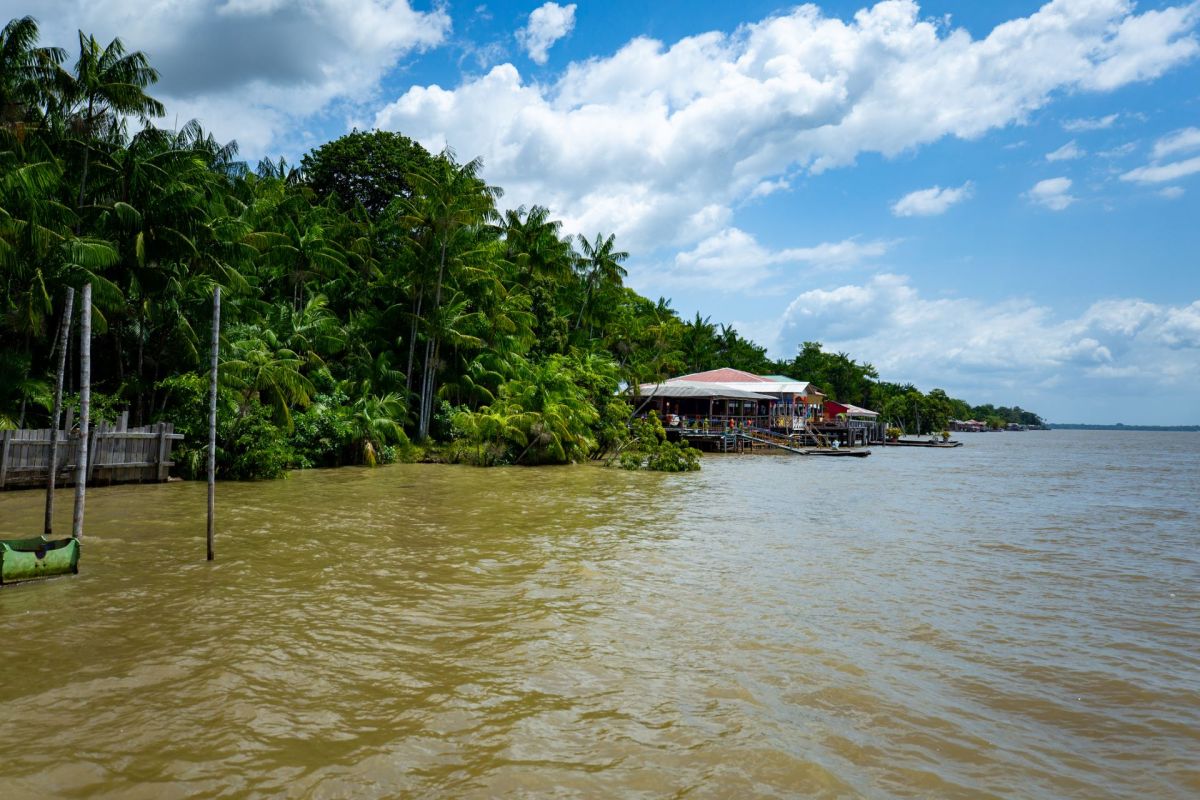
As the world prepares for COP30, the U.N.'s climate change conference to be held in Belém, Brazil, this year, the host nation's nearby Combu Island is desperately grappling with the overheating climate.
Mongabay reported that the once lush, thriving slice of the Amazon is struggling with rising temperatures, declining açai yields, and increasingly salty river water — all signs of environmental breakdown that locals say demand action, not just words and rhetoric.
What's happening?
Combu Island is experiencing a climate crisis firsthand. Average temperatures in the region have risen by almost 2.4 degrees Fahrenheit over the past 40 years, with sharper increases during the dry season.
Mongabay interviewed several locals, including Prazeres Quaresma, who said the heat is changing daily life: "We used to sleep covered. … Now we need fans all night."
Drought and heat have slashed açai yields by up to 40%, while river water, once fresh, is now salty for months. The Guama River's rising salinity is linked to ocean intrusion during severe droughts, threatening water quality and aquatic life. "We worry about the future of the island," Quaresma told Mongabay.
Why are rising temperatures important?
Rising temperatures in Combu Island reflect a global problem. Even small increases, just over 1.8 degrees Fahrenheit in recent decades, can disrupt ecosystems, reduce crop yields, and threaten water supplies. In the Amazon, this accelerates forest loss, weakening a crucial carbon sink that helps regulate the world's climate.
TCD Picks » Quince Spotlight
💡These best-sellers from Quince deliver affordable, sustainable luxury for all




If temperatures keep rising, extreme weather events such as droughts and heat waves will continue to become more frequent and severe, affecting billions of people. Food systems may collapse, biodiversity could decline, and vulnerable communities would be at risk of greater poverty and displacement.
Combu's struggles show how local climate impacts connect to global risks, underscoring why the outcomes of COP30 matter to everyone.
What's being done about rising temperatures?
Combu Island depends on its Environmental Protection Area to conserve biodiversity and limit human impact. Community-led sustainable tourism and eco-friendly agriculture also provide hopeful avenues.
However, locals emphasize that meaningful change requires concrete global action at COP30 to support vulnerable communities and fragile ecosystems, moving beyond discussion to real climate solutions that address the urgent challenges people face.
|
Do you worry about the longevity of EV batteries? Click your choice to see results and speak your mind. |
 For sure 💯
Join our free newsletter for good news and useful tips, and don't miss this cool list of easy ways to help yourself while helping the planet.







