


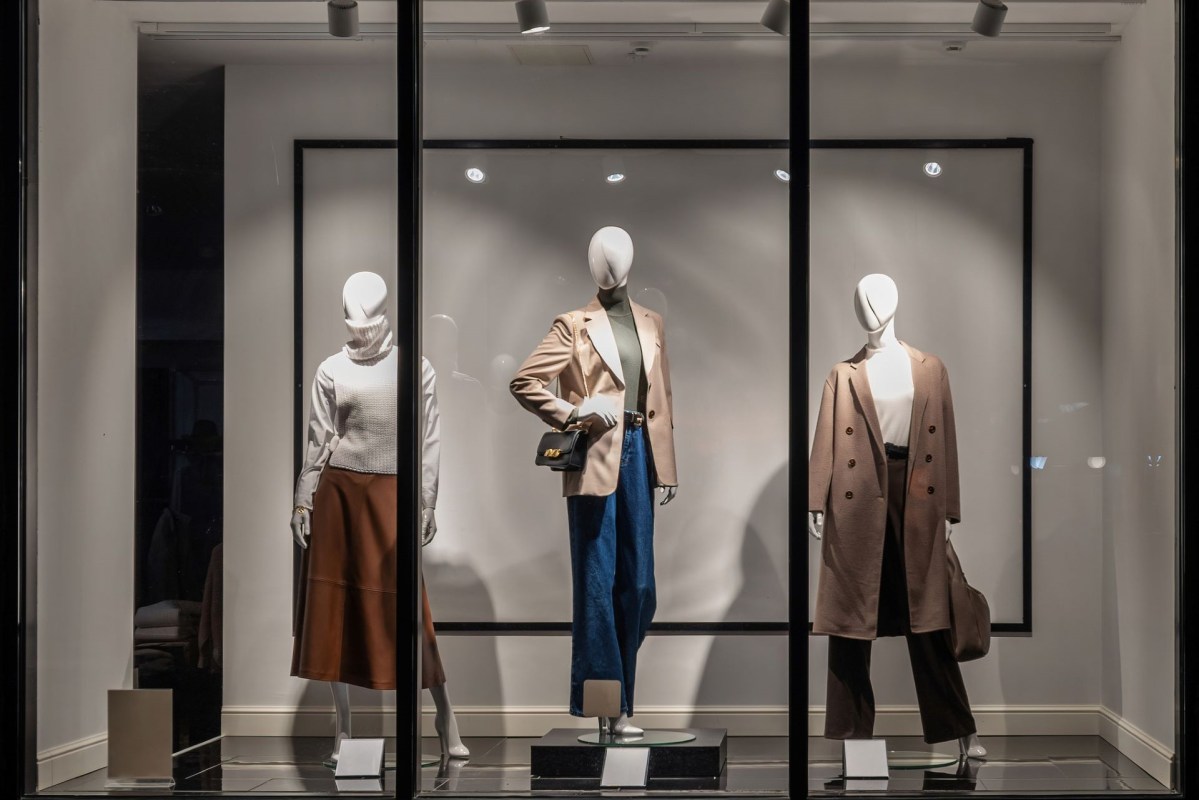
Fast fashion isn't going away. It's just getting better at hiding. A new expert report argues that fast fashion has recently evolved its marketing tactics in response to mounting criticism, disguising its wasteful practices all while embedding itself deeper into consumer culture.
What's happening?
Essence senior fashion editor Robyn Mowatt recently published an essay exposing the new marketing strategies of fast fashion.
Mowatt reports that some fast fashion brands are rebranding under the popular "clean" and "quiet luxury" aesthetics, taking cues from high-end brands for marketing and photography. Instead of focusing on micro-trends, garish colorways and patterns, and promotion-heavy websites, brands like PrettyLittleThing and Zara are turning to neutral color palettes, artful photography, and minimalistic looks.
Behind the elevated veneer, however, is the same fast fashion philosophy. Mowatt argues that these brands are in "the business of waste," masking their unsustainable practices with polished aesthetics. This allows brands to appear more elevated — and less affiliated with the usual playbook of fast fashion's usual "look."
"Swiftly designed clothing is not dying — it's just gotten better at hiding in plain sight," Mowatt writes. "Its appeal is the affordability factor, and it also relies on customers yearning for a plethora of accumulated pieces. "
This combination of affordability and variety keeps consumers buying into the cycle of fast fashion. And the appealing high-end new look of fast fashion brands draws in customers with promises of an elevated aesthetic at a low price.
TCD Picks » Quince Spotlight
💡These best-sellers from Quince deliver affordable, sustainable luxury for all




And the tactic appears to be working. Globally, the fast-fashion market was valued at $148.23 billion last year.
Why is fast fashion concerning?
The fashion industry is one of the globe's top environmental offenders, generating massive amounts of pollution and waste. Over the past 20 years, global textile consumption has risen by 400%, according to the Center for Biological Diversity. And that growth has largely been driven by fast fashion.
The United Nations Environment Programme estimates that the fashion industry accounts for about 8% of global carbon pollution, a major contributor to planetary warming. The industry also produces enormous amounts of textile waste, toxic wastewater, and air pollution. Earth.Org reports that more than 92 million tonnes (over 101 million tons) of clothing end up in landfills every year. In the United States alone, the average person throws away about 81.5 pounds of clothing each year. Globally, only about 12% of used clothing is recycled.
The production of fast fashion also comes at a steep cost, leaving nearby communities to cope with polluted waterways, toxic chemical use, and excessive resource extraction. These hazards infringe on basic human rights, threatening access to clean water, food security, and safe living conditions.
|
Should the U.S. government invest more money in recycling programs?
Click your choice to see results and speak your mind. |
 Yes 👍
Yes 👍 At the same time, the industry faces criticism for exploitative labor practices. Many fast-fashion brands rely on low-cost garment production in countries with little or no worker protection. Workers often endure long hours, unsafe conditions, and poverty-level wages. In some supply chains, child labor and forced labor have even been documented, particularly in China.
What's being done about the fast fashion industry?
Although global governments and industry groups are beginning to regulate fast fashion, these efforts are still in their early stages — and enforcement remains inconsistent.
While regulations catch up, individual choices can make a real impact. Breaking up with fast fashion not only reduces waste and demand for harmful production practices, but it can actually save you money. Experts estimate that by choosing fewer, higher-quality pieces that last longer, shoppers could save $200 or more each year compared with constantly replacing cheap, low-quality clothing.
If shopping sustainable brands isn't in your budget, secondhand shopping is another solution. Thrifting at local shops or using resale platforms like ThredUp helps keep clothing in circulation, cuts costs, and lowers the environmental and human toll of producing new garments.

Join our free newsletter for good news and useful tips, and don't miss this cool list of easy ways to help yourself while helping the planet.






