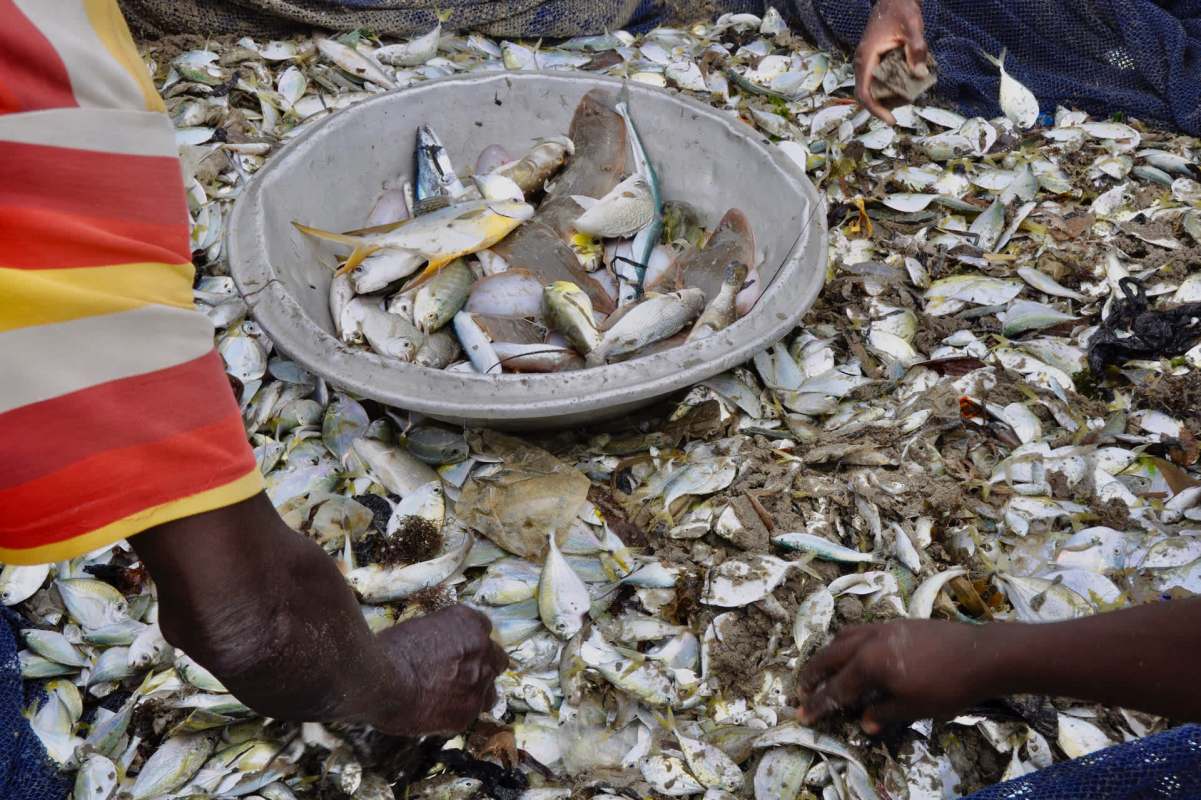
Small farmers in East Africa are getting a helping hand from U.K.-based Aston University and the agricultural development company RAD Global with special boxes to help keep food cold longer.
According to Aston University, the "affordable, highly efficient cold boxes" are designed to combat food waste and preserve fish even without access to electricity, thereby improving farmers' livelihoods.
The innovative solution for food storage is the brainchild of Tim Messeder, the founder of RAD Global, who noticed on a trip to Uganda that farmers were having issues keeping food fresh. Some of the fishers have to carry the fish back to their villages on journeys that can take up to nine hours, which means all their hard-caught food goes to waste. Surveys show that around 42% of traders lose fish and income due to spoilage.
Luckily, Messeder found the perfect solution with the RADiCool system, which is designed to keep fish fresh for up to two days, ensuring those long journeys will be well worth the effort. The cool box can even fit on the back of a motorbike, which is how most people in rural areas of Africa get around.
The system is powered by what's called advanced phase change materials, which can store and release thermal energy, and cutting-edge technology that allows for real-time GPS and temperature monitoring. It's able to cool fish from 77 degrees Fahrenheit to refrigeration temperatures in just four hours and can maintain those temperatures for over 24 hours.
Since RADiCool can preserve food without electricity, it's also easy on the environment and helps low-income communities have access to food even without modern amenities. As an environmental bonus, the PCM panels are stored in solar-powered hubs so they're ready to store fish later on. The cool boxes may also come in handy to transport other temperature-sensitive materials, such as medicines.
TCD Picks » Quince Spotlight
💡These best-sellers from Quince deliver affordable, sustainable luxury for all




"We are committed to empowering small-scale traders with sustainable solutions that reduce waste and improve livelihoods," Messeder said.
With climate extremes and infrastructure issues affecting much of Africa, the cool boxes help support food security and economic stability for rural farmers. The team says it's planning to scale up and commercialize the tech, and is "finalising the new special design PCM panels, partnering with manufacturers, expanding field trials, and deploying a pay-per-use business model to increase accessibility."
"RADiCool demonstrates the power of cross-sector innovation in addressing global development challenges," Dr Ahmed Rezk, senior lecturer in mechanical, biomedical, and design engineering at Aston University, said. "We're proud to contribute scientific expertise that translates directly into practical, community-driven solutions."
|
What is the biggest reason you don't grow food at home? Click your choice to see results and speak your mind. |
 Not enough time ⏳
Join our free newsletter for easy tips to save more and waste less, and don't miss this cool list of easy ways to help yourself while helping the planet.