


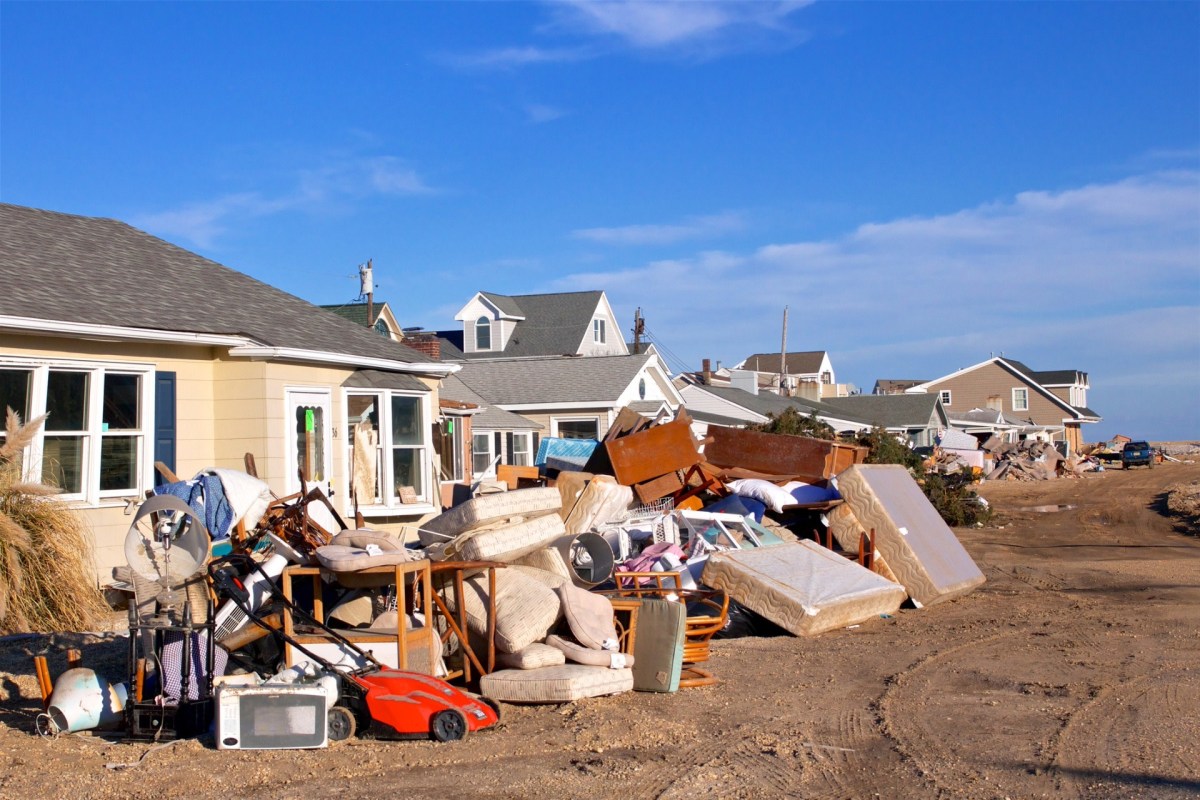
In New Jersey, New York, Connecticut, and other parts of the U.S., more people are losing their home insurance after filing weather-related claims. Bigger storms, exacerbated by a warming planet, are partly to blame.
What's happening?
As ABC7 reported, investigators have tracked a steady rise in the number of homeowners being dropped by their insurance providers, with cases showing up both in coastal areas and inland.
An S&P Global review found that from 2018 to 2023, average insurance rates jumped 15% in New Jersey, 19% in New York, and 23% in Connecticut, according to Insurance Advocate.
New York Assemblyman David Weprin told ABC7 that extreme weather events are part of the problem.
"We've had a number of hurricane flood-type of events in New York that we haven't had in years," said Weprin, who is chair of the New York State Assembly Insurance Committee.
For Maria Reuter of New Jersey, the changes hit close to home. She said water from Hurricane Ida damaged her ceiling. Then, just months later, sewage flooded her basement.
TCD Picks » Quince Spotlight
💡These best-sellers from Quince deliver affordable, sustainable luxury for all




She filed two claims in three months, ABC7 reported. A year on, her insurance company told her they would not renew her policy because she was "too high risk."
Why is this concerning?
Home insurance is meant to help people recover after disasters. Without it, families face enormous costs on their own.
Bigger and more frequent storms are fueled by planet-warming pollution, which humans produce by burning oil, gas, and coal. This pollution traps heat in the atmosphere, which disrupts weather patterns and makes floods, hurricanes, and wildfires more intense.
When the risks increase, insurers pass the costs to homeowners or pull coverage entirely. Reuter said losing her policy made an already stressful time worse.
|
Do you think the government should ban gas-powered lawn tools? Click your choice to see results and speak your mind. |
 No way 🙅
 "Unfortunately, they're forgetting that people are at the heart of the problem, at the heart of who's being affected," she said.
It's not just in the Tri-State Area either. Last year, residents in the Upper Midwest were hit by a similar problem after an increase in extreme weather events.
What's being done about it?
Weprin said his committee is working on measures to keep insurers in New York and to slow premium increases, per ABC7. He also recommended homeowners compare plans from different providers, since there are still many in the state.
But the insurance industry doesn't seem to be budging from its position that raising rates is necessary because of the added risk of extreme weather.
On a broader scale, cutting the pollution that drives extreme weather can help reduce the long-term risks to homes. This can mean switching to clean energy or improving local flood protections.

Join our free newsletter for good news and useful tips, and don't miss this cool list of easy ways to help yourself while helping the planet.






