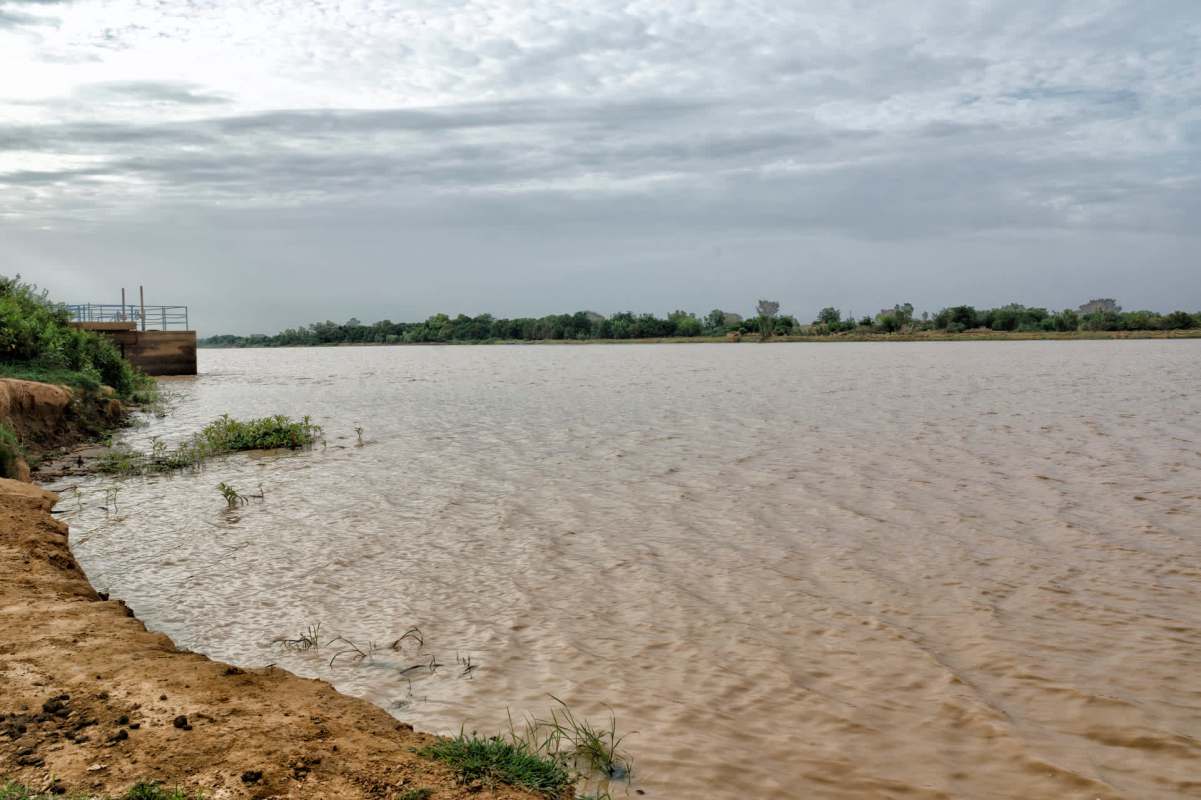
Families who have lived along West Africa's Niger River for generations have watched their livelihoods disappear as their fishing nets come up empty — or worse, filled with plastic waste. Fish stocks have plummeted as toxic chemicals and plastic pollution transform the waterway that once provided for communities across five countries, according to a recent article in Mongabay.
What's happening?
The Niger River, which runs for 4,200 kilometers (2,600 miles), is becoming increasingly polluted, especially in Bamako. A report by Greenpeace estimated that, each year, the Niger River carries 38,500 tons of plastic waste to the sea.
Local companies and private entities are stirring up the riverbed in search of gold, an activity that destroys natural fish habitats. The use of chemicals like mercury and cyanide during these operations contaminates the water and slowly poisons what remains of the river's aquatic life.
Yamoussa Traoré, who has fished the river for 40 years, described the devastating change to Mongabay: "Before, we could fill a pirogue several times over. Nowadays, filling even half a pirogue is a struggle … We have reported this deplorable state of affairs to the town hall and the water and forestry department, but nothing has changed. We are in total despair."
Why is the fishing decline important?
The fishing industry shortfall is forcing families to abandon their traditional livelihoods, and the collapse of the Niger River's fish population threatens the food security and economic survival of millions.
According to the Ministry of Fisheries, "Mali needs 300,000 metric tons of fish every year, whereas the country's annual production is 130,000 metric tons."
TCD Picks » Quince Spotlight
💡These best-sellers from Quince deliver affordable, sustainable luxury for all




Former fisherman Mama Farota left his hometown of Mopti for Bamako, where he now extracts sand from the riverbed.
"There just weren't enough fish left because of human activities," Farota said per the article. "So I left my parents behind to mine sand from the river here in Bamako."
Unfortunately, this switch also harms the fish population, as sand mining further degrades fish habitats.
What's being done about river pollution?
Despite laws prohibiting riverbed mining, enforcement remains weak in Mali. Article 62 of Mali's 2023 mining code clearly states that "the exploitation of mineral substances in riverbeds by dredging or any other method is prohibited."
|
What source of air pollution do you worry most about at home? Click your choice to see results and speak your mind. |
 Wildfires 😷
 Yamoussa Traoré, president of the Bozo Ko association, founded in 2016 to protect the Niger River, said that some people have found partial solutions.
"Fish farming could help make up for the shortage in the river," he says. "Unfortunately, not everyone has the means to pursue this alternative."
The Niger River's devastation demonstrates how destruction in one region affects food security and community survival — problems that are now spreading to waterways across every continent.

Join our free newsletter for good news and useful tips, and don't miss this cool list of easy ways to help yourself while helping the planet.