


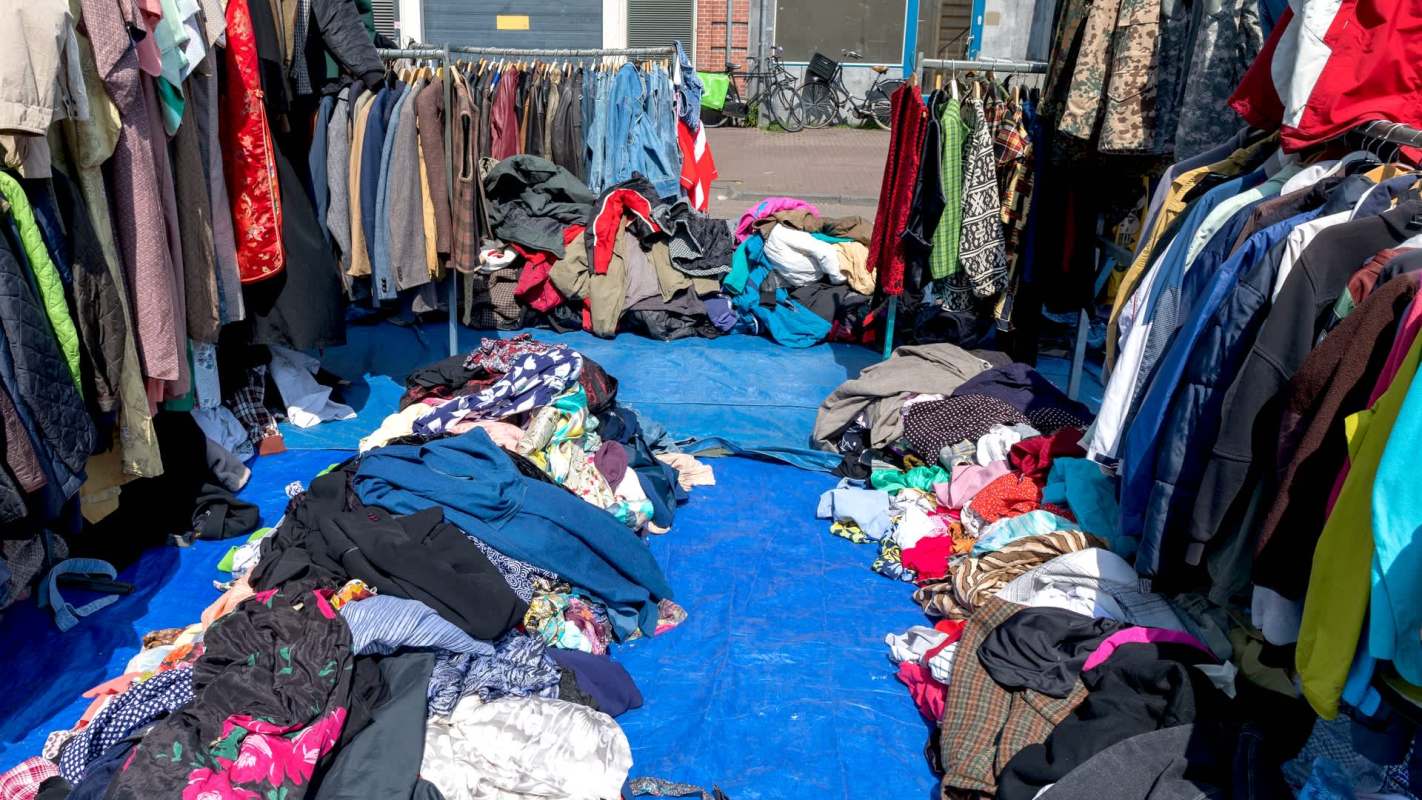
The secondhand clothing trade is hitting a quality crunch: short-lived fast-fashion garments flooding donation streams and resale shops. As The Edge Malaysia reported, a growing share of used clothing in Malaysia is low-grade polyester that deteriorates quickly and is difficult to recycle.
What's happening?
Life Line Clothing Malaysia and social enterprise Kloth Circularity said donations now skew toward polyester. "People want better-quality clothes and they want to pay less for it," said Andrew Jackson, head of business development at LLCM, per The Edge Malaysia.
The U.N. Environment Programme estimates 92 million tonnes of textile waste are produced annually, per The Edge Malaysia. That production doubled from 2000 to 2015, and the duration of garment use dropped 36%. Other reports show thrift stores stocked with low-value items and a drop in quality.
Why is this concerning?
Many of these short-life garments are dumped in landfills or sent for processed engineered fuel — the last stop, as described in the report. Germany's SOEX, once a major textile recycler that worked with brand take-back programs, shut down in 2024 after market pressures made it impossible to continue.
The fashion industry's impact on the planet is steep, creating 2-8% of global heat-trapping pollution. Additionally, low-quality synthetics shed microfibers and are difficult to recycle. Some brands promote take-back or recycled lines even as they ramp up production, a practice often cited as an example of greenwashing.
What's being done about it?
The European Union is moving toward extended producer responsibility rules and mandatory textile collection. This, paired with design standards, can make clothes last longer and easier to repair.
TCD Picks » Quince Spotlight
💡These best-sellers from Quince deliver affordable, sustainable luxury for all




In Malaysia, Kloth Circularity runs more than 500 collection bins and works with local women to turn discarded fabric into new products. It also teams up with companies to put textiles back into circulation.
Buying secondhand remains one of the simplest ways to cut waste and spending. Regular thrift shoppers can save roughly $1,700 a year while keeping clothes in use, especially if they avoid fast fashion and choose brands with better production practices.
|
Which of these factors would most effectively motivate you to recycle old clothes and electronics?
Click your choice to see results and speak your mind. |
 Giving me money back 💰
Join our free newsletter for good news and useful tips, and don't miss this cool list of easy ways to help yourself while helping the planet.






