A Reddit post showing watermelons priced at nearly $14 each has reignited conversations about grocery store practices and food waste.
What's happening?
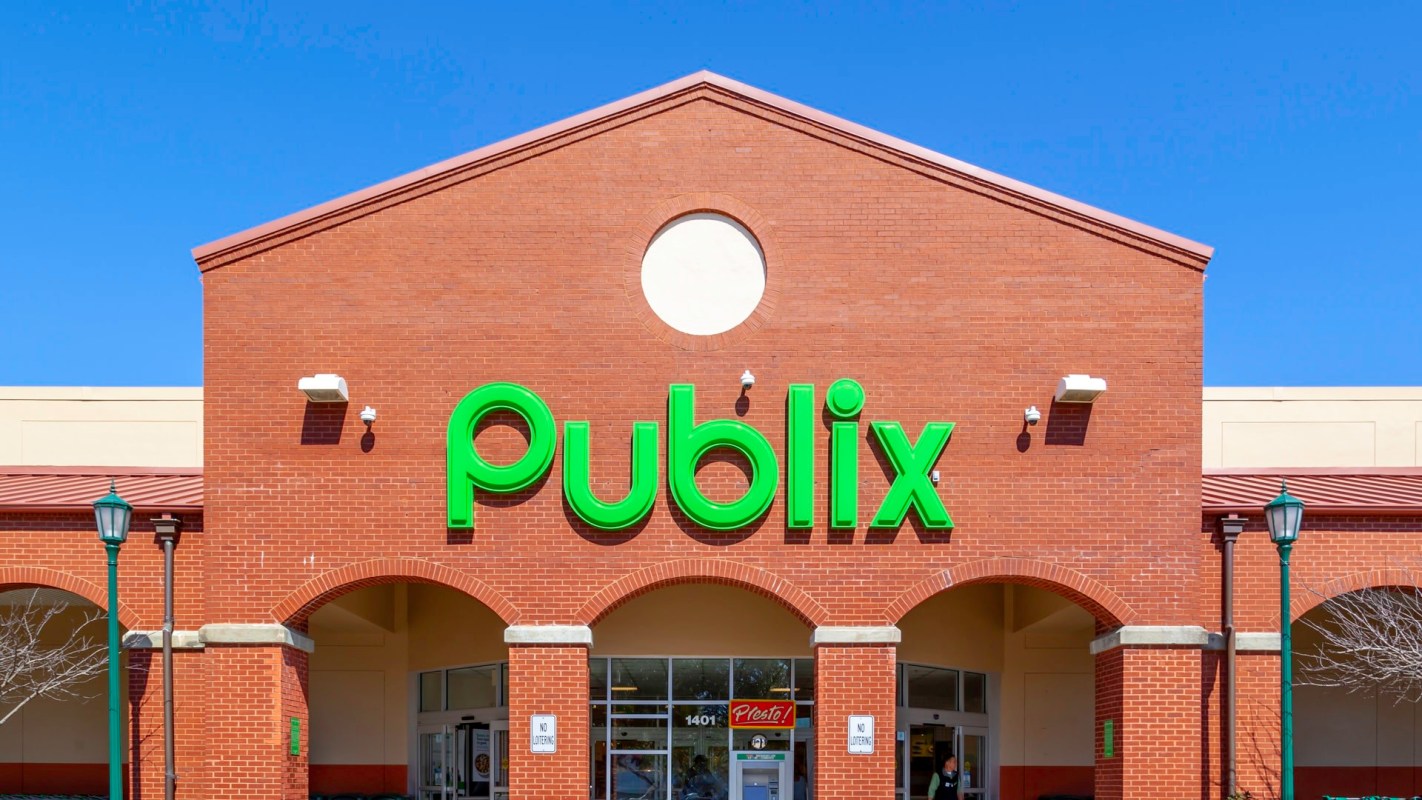
A Redditor posted a photo of large red seedless watermelons priced at $13.99 each at Publix with the caption "Idk what to say. Just going to leave this here."

The high price tag attracted attention in the r/publix subreddit, but the discussion shifted to a concern about food waste at the grocery chain.
One commenter, an employee, shared their experience, writing: "Just the last couple of nights I've had to toss two entire shopping carts full of salads, pre-made meals, deli meats, platters... it's insane. We should at least mark them down or do something besides WASTE."
"Publix really likes to present themselves as such a sustainable, aware grocery but they are just as bad, if not worse at wasting food, than all of the other ones," they added.
Why is food waste concerning?
When food decomposes in landfills, it emits methane, a dirty gas that traps heat in our atmosphere more effectively than carbon dioxide. The United Nations estimates that food waste makes up 8% to 10% of global heat-trapping gas production.
TCD Picks » Quince Spotlight
💡These best-sellers from Quince deliver affordable, sustainable luxury for all




Water, energy, and labor go into producing, transporting, and stocking that food. When stores discard unsold items rather than marking them down or finding alternative uses, those resources are lost.
The practice becomes especially troubling when food prices remain high. Many families struggle to afford fresh produce while tons of it get thrown away daily at grocery stores nationwide.
Is Publix doing anything about this?
Publix has made some commitments to reducing waste. The company participates in food donation programs and has partnerships with local food banks in many locations. It also has recycling programs for cardboard and plastic.
Food safety regulations complicate donation efforts. Stores must ensure food meets safety standards before it can be donated, which limits what can be redirected from landfills. Items past their sell-by dates or those requiring specific temperature controls often cannot be donated because of liability concerns.
|
Should companies be required to help recycle their own products?
Click your choice to see results and speak your mind. |
 Definitely 👍
 What's being done about food waste more broadly?
Several grocery chains have started innovative programs to reduce waste. Some stores now offer "ugly" produce at discounted prices, selling fruits and vegetables that might otherwise be discarded for cosmetic reasons.
Apps such as Too Good To Go partner with retailers to sell surplus food at reduced prices before it expires. Dynamic pricing systems automatically mark down items as they approach expiration dates.
For shoppers wanting to help, buying items close to their sell-by dates and using them quickly prevents waste. Shopping with a list and meal planning reduce overbuying, and supporting stores with strong waste reduction policies sends a message about consumer priorities.

Join our free newsletter for easy tips to save more and waste less, and don't miss this cool list of easy ways to help yourself while helping the planet.