


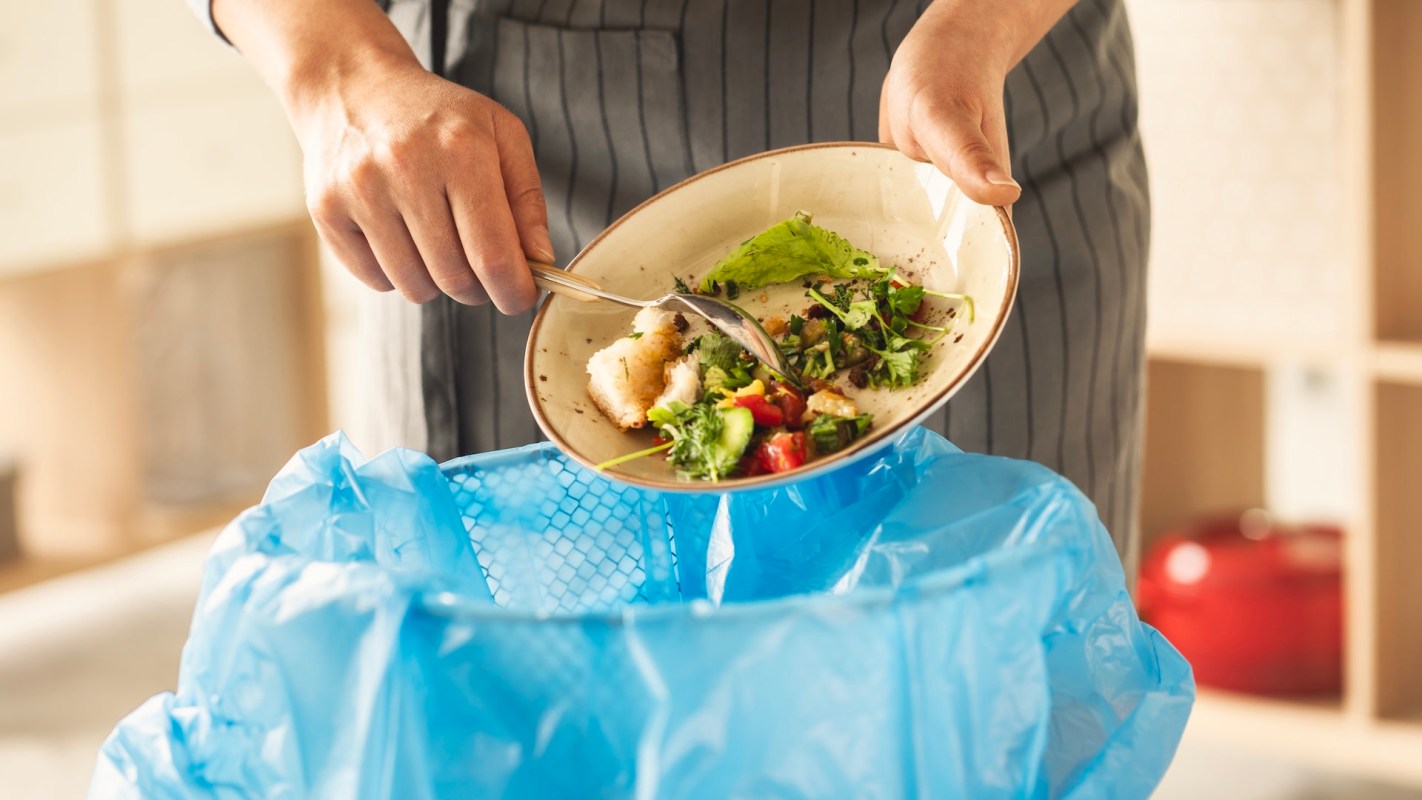
This method of breaking down food waste produces a biodegradable plastic, and it could change the world.
A fifth of the planet's food is thrown away before it's eaten — that's 1 billion meals a day, according to the World Food Programme.
Billions of pounds of food end up in landfills, releasing planet-warming gases such as methane and carbon dioxide as it decomposes.
To make the process more difficult, billions of tons of plastic clog the same landfills — and plastic never breaks down.
Our trash heaps grow higher and higher, but a team of researchers at Binghamton University in New York made something that could fix food waste and our plastic problem.
The research team, led by Ph.D. student Tianzheng Liu, used bacteria fermented food waste to create a biodegradable polymer for plastic.
TCD Picks » Quince Spotlight
💡These best-sellers from Quince deliver affordable, sustainable luxury for all




It wasn't easy. Liu told Interesting Engineering: "Cultivation of the plastic-producing bacteria was hard, because at the beginning I didn't have experience with bacteria fermentation for producing biopolymer. At every move, I felt like something was not what I expected."
Our planet's plastic problem isn't an easy fix, but researchers around the world are working to develop sustainable alternatives. Bioplastics can be made from all sorts of organic materials, such as barley starch, and they can completely and quickly decompose.
Biodegradable plastic will change the world. Plastic pollutes waterways, harms animals, disrupts ecosystems, releases chemicals, and even invades your body.
To protect our planet, our wildlife, and our bodies, plastic needs to go. You can make a difference by using less plastic in your day-to-day life — avoid single-use plastic water bottles, food containers, and cutlery, and opt for sustainable, reusable alternatives.
|
Would you live in a home made of bacteria? Click your choice to see results and speak your mind. |
 Absolutely 🦠
 Binghamton professor Sha Jin, who worked alongside Liu, is excited to see where this process will go.
"We can utilize food waste as a resource to convert into so many industrial products, and biodegradable polymer is just one of them," Jin said, per Interesting Engineering.

Join our free newsletter for weekly updates on the latest innovations improving our lives and shaping our future, and don't miss this cool list of easy ways to help yourself while helping the planet.






