


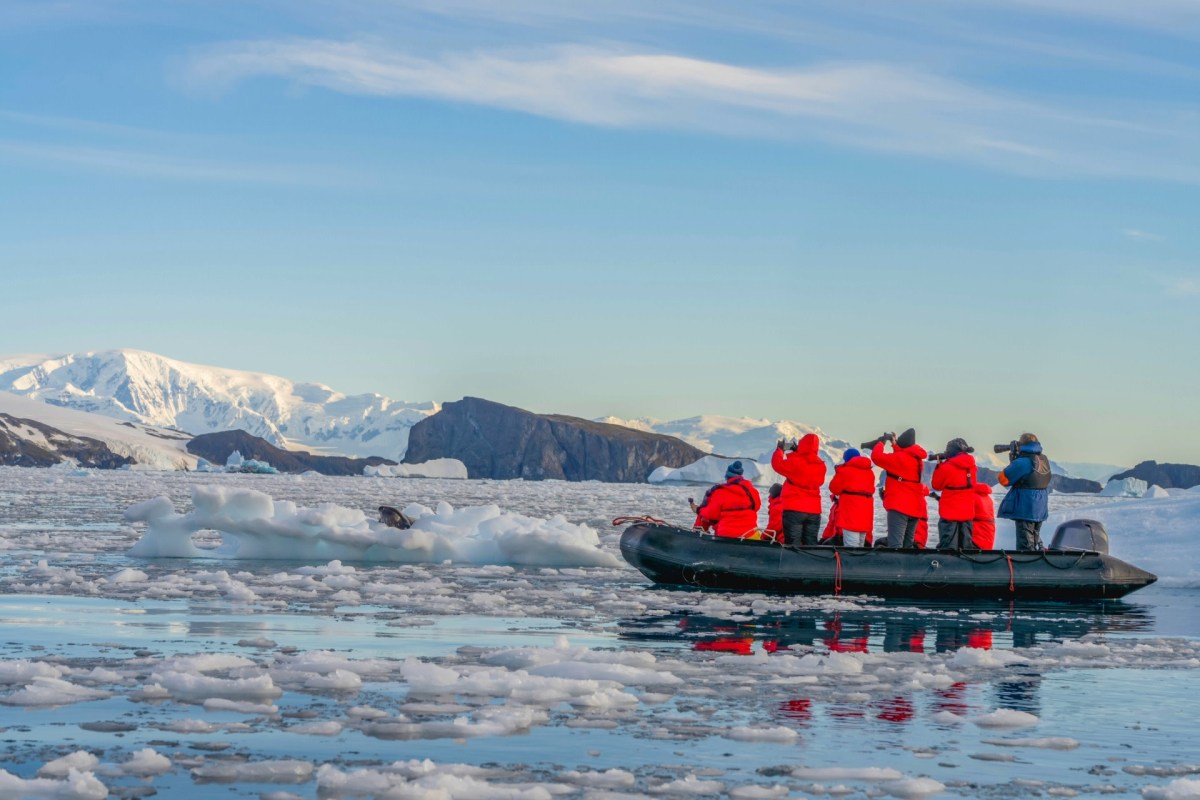
Antarctica has always pulled in a certain kind of traveler. The curious. The bold. The kind who want to see the edge of the map before it melts into nothing. Antarctica's got a reputation — frozen, remote, untouched. And yeah, unpredictable.
Now imagine: You've saved for years. Finally booked that once‑in‑a‑lifetime cruise to the bottom of the Earth. You've packed every fleece and glove you own. Guide's booked. Camera's charged. You're ready to step onto the ice and check the final box on your bucket list.
Then — snap. The weather flips like a switch. Helicopters grounded. Ships stuck. You're less worried about a missed selfie and more about getting frostbite. Now, you're just trying to get out in one piece.
Not fiction. This kind of thing is why officials are telling travelers to slow down and think it through.
What's happening?
InsideHook reported the U.S. State Department issued a Level 2 travel advisory for Antarctica. Travelers are told to "exercise increased caution" because of fast‑changing weather and a total lack of U.S. consular support.
It also suggested getting travel insurance and evacuation coverage as well as booking with experienced guides — especially ones affiliated with the International Association of Antarctica Tour Operators, which sets basic safety and environmental rules for the industry.
TCD Picks » Quince Spotlight
💡These best-sellers from Quince deliver affordable, sustainable luxury for all




Why is this concerning?
Antarctica tourism isn't trending — it's exploding. More than 80,000 people made the trip during the 2024-2025 season. Just a few years ago, that number hovered around 56,000 — more people, more chances for things to go sideways.
And the weather's not playing nice. Blue skies one minute, hurricane‑force winds the next. Not ideal when you're in a rubber boat trying to spot penguins. These conditions are already messing with evacuation routes and supply runs. One report showed atmospheric rivers are hitting the region more often, making logistics messy.
It's not just travelers getting hit. The dry valleys — Antarctica's natural insect labs — are seeing serious die‑offs. Some bugs that have survived for thousands of years are now dying in sudden heatwaves.
The Tasman Sea is heating up, too, and that extra warmth might be helping storms build up power before slamming the ice.
|
Do you think America does a good job of protecting its natural beauty? Click your choice to see results and speak your mind. |
 Definitely 👍
 Some scientists are calling it weather on steroids, and that's not hyperbole. It's the kind of shift that turns an adventure into a high‑risk mission.
What can travelers do?
Stick to tour companies that follow IAATO rules. Keep your distance from wildlife. Wear clean gear. Keep your group small. The less you disturb the environment, the safer everyone stays.
Skip DIY trips. Antarctica isn't the place for solo exploring. Emergency help is limited, and conditions change fast.
And prep like your safety depends on it — because it does. Know how long delays could stretch. Pack smart. Have coverage. It's the difference between making memories and needing rescue.
Want to know what else is at stake? Here's a crash course on climate risks and how to stay aware.

Join our free newsletter for good news and useful tips, and don't miss this cool list of easy ways to help yourself while helping the planet.







