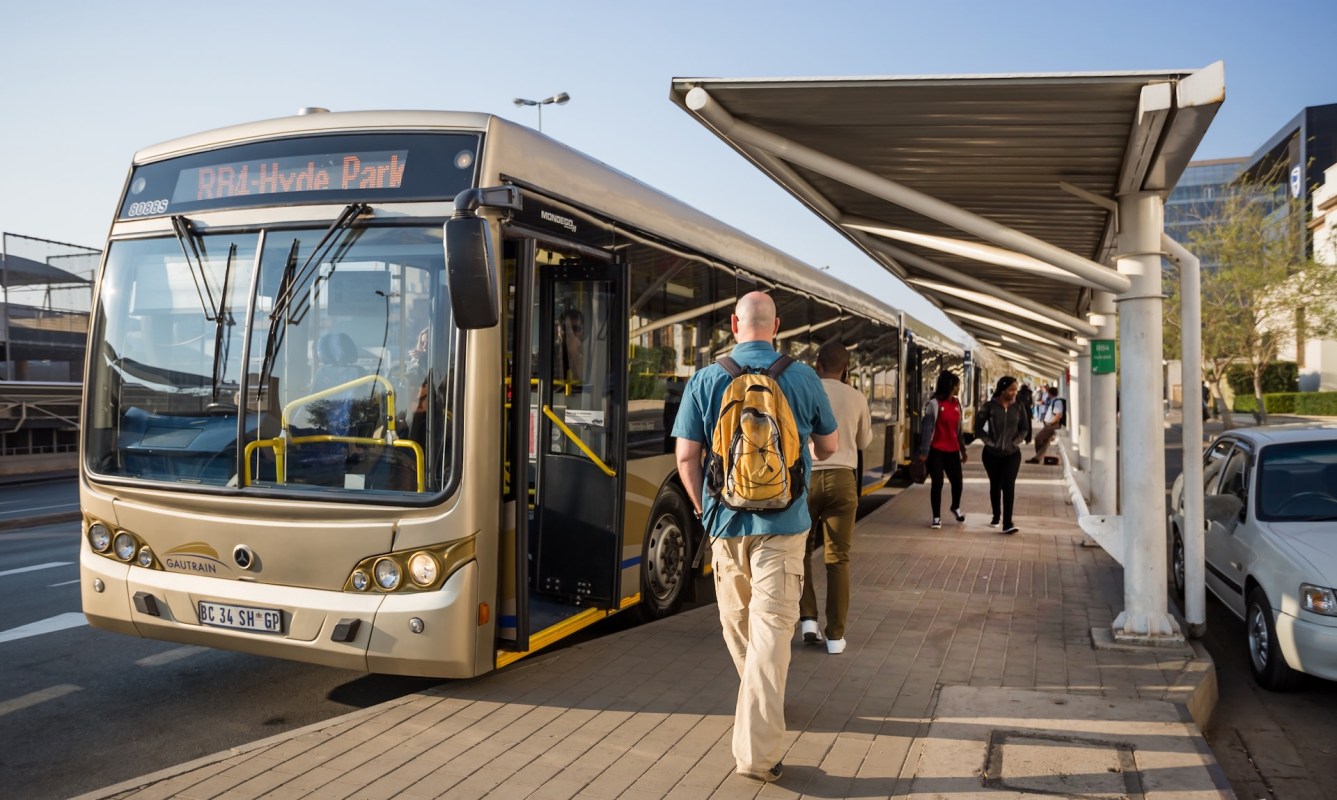
A new study has found a link between access to public and mass transit and greater resilience in the face of infectious disease threats.
The research, published in The Lancet Planetary Health, analyzed the associations among global city designs, transport mode choices, and population-level risk exposure during the COVID-19 pandemic in 2020.
The study, which included data from 507 cities, found significant reductions in nitrogen dioxide and fine particulate matter (PM2.5) concentrations from the beginning of the pandemic to the mid-crisis phase.
"If maintained over the long term, the estimated NO2 reduction could have a substantial effect on reducing health risks for both acute and chronic disease," the authors stated, adding that if the reductions of PM2.5 were maintained over the long term, it could help reduce the risks of asthma, ischaemic heart disease, and overall mortality.
However, these public health gains were lost in some cities during the pandemic's recovery phase as people started switching back to their personal motor vehicles. The team found that city designs that accommodated a shift away from public transit in favor of motor vehicles during this phase (mainly in the Americas and Oceania) in late 2020 tended to have the poorest outcomes across all air pollution and health measures — in some cases, risk levels even rose above pre-pandemic baselines. Meanwhile, cities in Japan, South Korea, and Europe, which did not experience shifts toward cars during the pandemic, maintained lower levels of air pollution.
"These findings underscore city design as a key factor in navigating pandemic-related challenges and suggest that city designs with higher levels of public and mass transit show greater levels of resilience when confronted with infectious disease threats," the authors stated.
TCD Picks » Quince Spotlight
💡These best-sellers from Quince deliver affordable, sustainable luxury for all




In addition to health impacts, lack of public transportation can also lead to heavily congested roadways and traffic delays, as is the case in places such as Lagos, Nigeria. Some cities are putting limits on the number of vehicles that can enter downtown areas, which can help with air quality, traffic, and noise pollution. For instance, Stockholm has been working on banning petrol cars from entering its city center, while New York City is charging passenger vehicles to enter one part of Manhattan during peak hours.
|
Do you think your city has good air quality? Click your choice to see results and speak your mind. |
 Definitely 🥰
Join our free newsletter for weekly updates on the latest innovations improving our lives and shaping our future, and don't miss this cool list of easy ways to help yourself while helping the planet.