While often overlooked, home insulation can be one of the most crucial aspects to maintaining energy efficiency.
Most home insulation is made from a variety of materials, including fiberglass, cellulose, and foams. While effective at insulating a home, these materials can be problematic because of their manufacturing processes and potential for containing harmful substances.
However, in a recent study, a team of researchers may have found an alternative material that blends highly efficient insulation capabilities with environmentally friendly practices. Wheat straw is the stalk of the wheat plant left behind after the grain is harvested. It's a sustainable agricultural byproduct with various uses, including as animal feed and fuel.
Chi Zhou, an associate professor and director of graduate studies in the department of industrial and systems engineering at the University of Buffalo, led a team of researchers to test the viability of using wheat straw fibers in the manufacturing of home insulation.
The team was able to turn chopped straw fibers into a paste-like "ink" that could be 3D-printed using a method called direct ink writing. After testing how well the material was able to handle air flow, the researchers printed it into insulation structures. The end result showed that the straw insulation displayed low heat transfer and strong mechanical properties.
Zhou noted the significance of the team's research and the potential for wheat straw fibers in home insulation. "Their unique properties, such as low thermal conductivity and low density, make them valuable for a wide range of applications, especially in building insulation," Zhou said.
TCD Picks » EDF Spotlight
💡EDF's Vital Signs newsletter delivers stories about game-changing solutions close to home and around the world
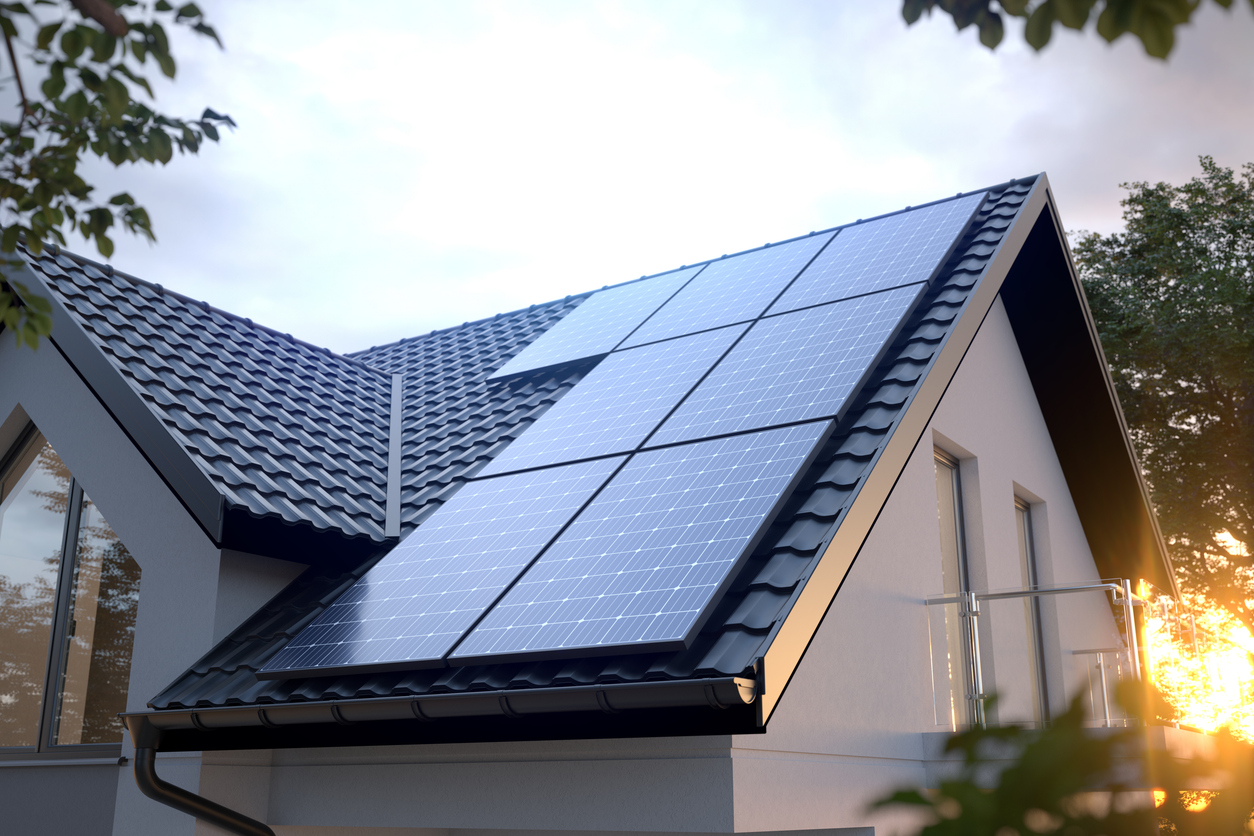



Home insulation can have significant environmental benefits by reducing energy consumption, lowering carbon pollution, and promoting the use of sustainable materials such as wheat straw. By minimizing heat loss in winter and heat gain in summer, insulation reduces the need for heating and cooling. This can go a long way toward decreasing our reliance on fossil fuels for energy production.
"If wheat straw were to be widely adopted, it not only would reduce greenhouse gas emissions, but it would also reduce agricultural waste and provide an environmentally friendly and affordable source of insulation for homes and commercial buildings," added Zhou.
|
Would you want to work inside a 3D-printed building?
Click your choice to see results and speak your mind. |
 Sure 💯
Join our free newsletter for weekly updates on the latest innovations improving our lives and shaping our future, and don't miss this cool list of easy ways to help yourself while helping the planet.
Cool Picks