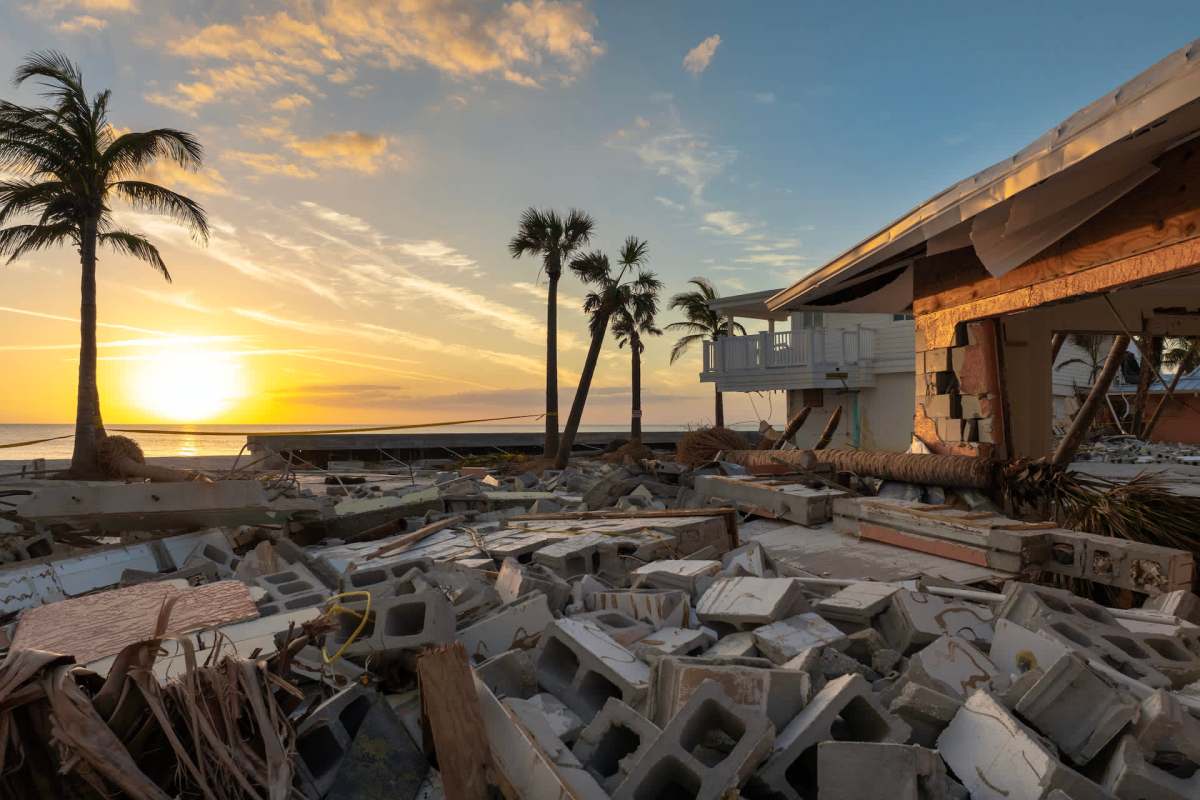
Homeowners in Hawaiʻi are seeing insurance companies abandon houses that have old roofs or sit near the coast.
What's happening?
According to Pacific Business News, insurers have fled entire regions of the country, especially places vulnerable to disasters. Hawaiian carriers now reject houses sitting within a thousand feet of the ocean and those with roofs exceeding two decades in age.
State Farm has stopped insuring single-wall Hawaiian homes, regardless of their location. Between 2019 and 2024, coverage costs in Hawaiʻi surged 23.2%, according to a report by LendingTree quoted by Pacific Business News.
"We are making these changes to better manage our hurricane exposure in the state of Hawai'i," State Farm said in a statement.
Carriers use ruler-straight map lines, disregarding hills or natural shields. Certain agencies establish policies for structures 300 to 500 feet from shore, whereas others require a thousand-foot minimum.
Why is this coverage problem concerning?
When people burn coal, oil, and gas, the pollution warms our air. That warmth strengthens storms and causes sea-level rise, turning coastal zones into financial nightmares for carriers.
TCD Picks » Quince Spotlight
💡These best-sellers from Quince deliver affordable, sustainable luxury for all




However, homeowners need coverage to secure mortgages, and without mortgages, home prices tend to crash. Towns suffer when people can't sell or fix their houses.
Everyone feels these impacts. Uncovered houses become financial time bombs. A single hurricane might destroy families who built savings through their homes. First-time buyers discover whole neighborhoods where coverage has vanished.
Ocean spray accelerates house decay along shores, generating repair needs that contractors reject. Old buildings worsen matters, since dated structures need fixes that many people can't afford.
What can I do if I'm facing this coverage problem?
For property owners in high-risk zones, it's essential to maintain your roof and document every repair with photographs and paperwork. Replace roofs that are approaching two decades old, and establish fire protection zones by removing plants and selecting flame-resistant materials.
|
Do you think your house could withstand a hurricane? Click your choice to see results and speak your mind. |
 No way 😨
 Impacted individuals can also contact local legislators to demand stronger construction rules and government-backed coverage programs. Hawaiʻi's Hurricane Relief Fund has just welcomed condo groups and may soon include regular houses, which other regions could learn from.
It's also important to back leaders who promise clean energy laws that cut warming pollution, as worsening weather is exacerbated by our dirty fuel addiction.
Find local organizations fighting for coverage improvements — numerous regions created FAIR programs offering basic protection after private firms left.
Meanwhile, house hunters should investigate coverage before purchasing, particularly for ocean-based or fire-sensitive territories. It might make sense to request the seller's coverage records and obtain estimates before bidding.

Join our free newsletter for good news and useful tips, and don't miss this cool list of easy ways to help yourself while helping the planet.