


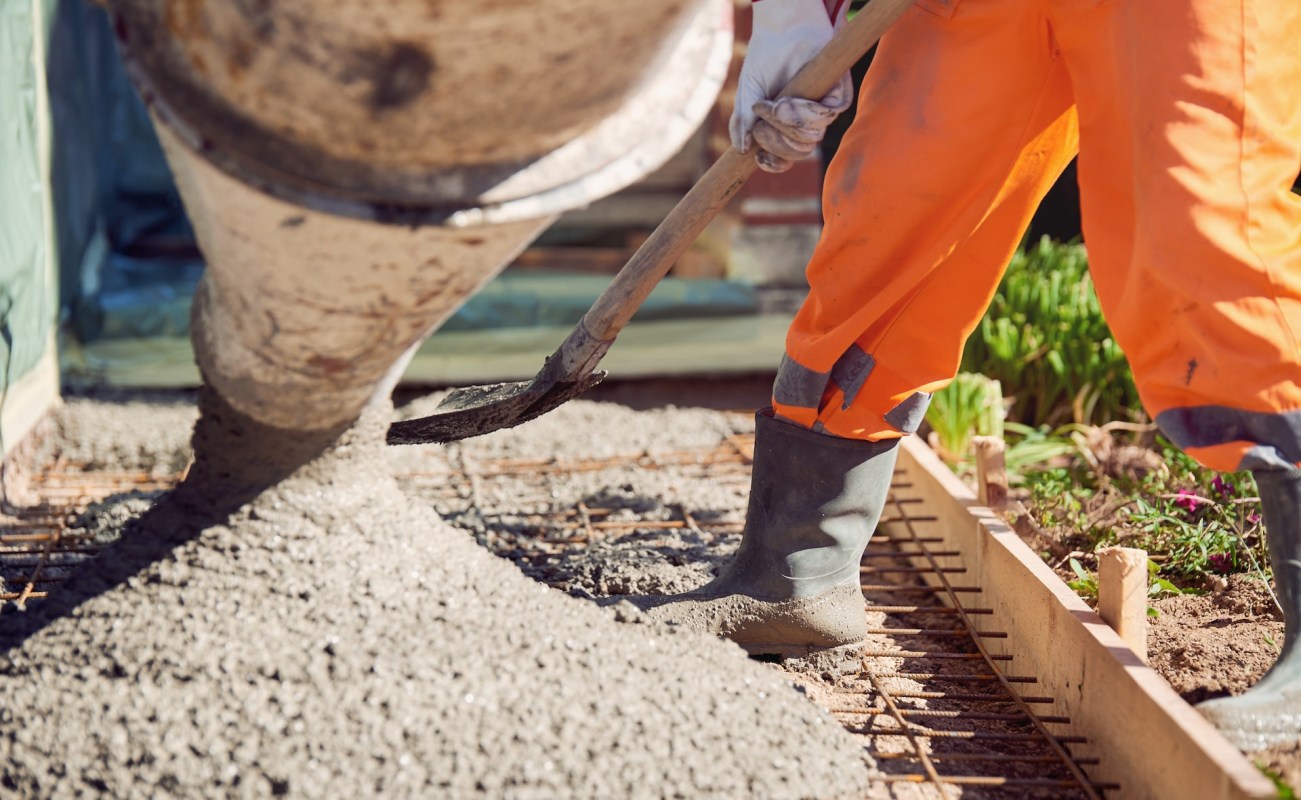
A tech startup wants to replace traditional cement with an eco-friendly alternative, and it just secured the funding to move forward.
According to TechCrunch, the startup Terra CO2 from Golden, Colorado, closed a $124.5 million round of Series B funding.
Several organizations led the funding round, including Bill Gates' Breakthrough Energy Ventures, Al Gore's Just Climate, Eagle Materials, and Temasek-backed GenZero. Other participants were Barclays Climate Ventures, Cemex, Prologis, and Siemens Financial Services.
Terra CO2 wants to replace Portland cement, the most common type, with supplementary cementitious material. The startup's specific product is OPUS SCM, a high-performance cement extender designed to replace Portland cement when making concrete.
To make SCM, the company uses widely available silicate-based raw materials, which are naturally abundant.
The raw materials go into the company's proprietary, patent-protected, low-carbon and low-nitrogen oxide reactor. It cooks the materials until they vitrify into a glass-like powder. This powder can be used to make concrete, which typically requires Portland cement.
TCD Picks » Quince Spotlight
💡These best-sellers from Quince deliver affordable, sustainable luxury for all




According to MIT News, cement production accounts for 8% of all global carbon pollution. These planet-warming gases can accelerate the rate of rising temperatures and exacerbate extreme weather events, disease outbreaks, and food or water scarcity. The consequences impact humans as much as they do wildlife.
Finding a better way to produce cement products can reduce pollution, making the water, air, and soil healthier for everyone. Terra CO2's work is helping create a cooler, cleaner future.
The company plans to use the new funding to create a substantial facility in Dallas, Texas, per TechCrunch. This plant would be able to process 240,000 tons of SCM each year, helping curb pollution caused by cement production.
Terra CO2 is not the only company looking to solve cement's impact on the Earth. Companies like Furno, Sublime Systems, PHNX Materials, and Partanna have their own innovative ways of reducing pollution related to cement production.
|
Which of these factors is the biggest obstacle preventing you from getting solar panels? Click your choice to see results and speak your mind. |
 The upfront cost 💰
 Steven Poulter, head of Barclays Climate Ventures, noted, "Terra's technology offers a combination of commercial readiness and cost competitiveness," per BusinessWire.
Terra CEO Bill Yearsley added, "Terra's mandate is to deliver cementitious material solutions that the market would purchase solely based on cost and performance, even if there was no carbon benefit. The fact that Terra's cementitious materials also offer significant carbon mitigation is an additional advantage for the built environment."

Join our free newsletter for weekly updates on the latest innovations improving our lives and shaping our future, and don't miss this cool list of easy ways to help yourself while helping the planet.






