


Across the United Kingdom, animals are displaying strange behaviors as another heat wave rolls in. Birds have been fluttering their throats and squirrels are "splooting" on the ground, but unfortunately, these cooling tactics are signs of distress and desperation.
As the country weathers its third heat wave of the summer, researchers are warning that the effects on animals could carry long-term consequences for ecosystems, farms, and people.
What's happening?
According to the Guardian, unusual behaviors are being observed across the animal kingdom as temperatures rise. Birds like pigeons and herons are vibrating their throat muscles in a behavior known as gular fluttering to help them release body heat. Blackbirds are panting as squirrels are flattening themselves against shaded ground to reduce heat. Earthworms and snails are entering dormant states called aestivation to ride out the extreme heat.
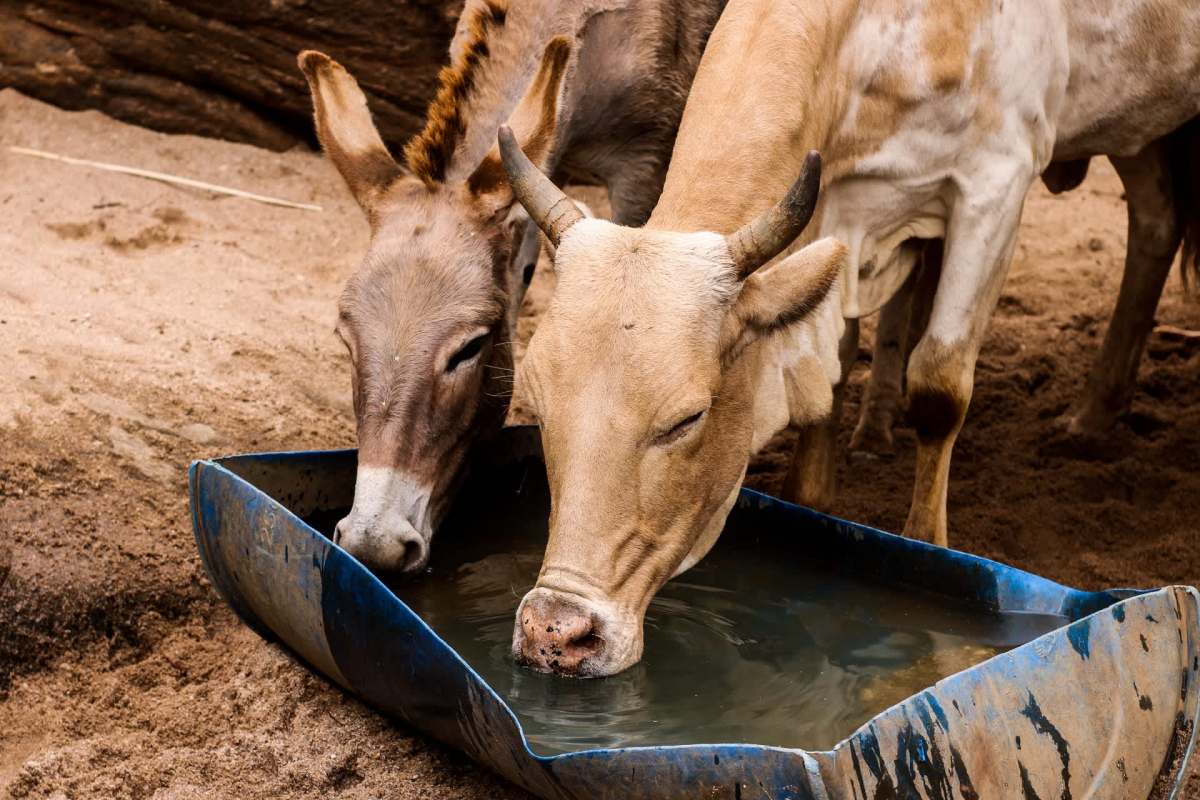
Farm animals are also showing distress. Cows have been bunching together, which actually worsens the heat for them and creates risks of mastitis, an udder infection, and hoof issues. Horses are struggling to stay cool despite sweating and are showing signs of heat exhaustion and electrolyte imbalances.
"Because they don't use the barn area fully, the areas that they lie in can become wetter and dirtier, which increases their chance of getting mastitis. They also spend more time standing, which has consequences for their feet, legs, and lameness scores," said Dr. Zoe Barker, an agricultural scientist, per the Guardian.
These responses may help animals survive short-term heat, but the cost is impaired cognition, delayed development, reduced feeding, and lower fertility rates.
TCD Picks » Quince Spotlight
💡These best-sellers from Quince deliver affordable, sustainable luxury for all




"Lots of animals will go and hide in the shade, which might save them from some of the bad effects of the heat, but it also means they're not out finding food or mates, which can have negative consequences if that heat is prolonged," said University of Exeter professor Alex Thornton, per the Guardian.
Why is extreme heat concerning?
Extreme heat is disrupting how animals live, reproduce, and interact with their environments. That leads to population declines, fewer pollinators, and less food security for people.
A separate Guardian report said most young bees don't survive when nest temperatures climb above 36 degrees Celsius (96.8 degrees Fahrenheit), with the ideal range being closer to 28-32 degrees Celsius (82.4 to 89.6 degrees Fahrenheit). Worker bees try to cool things down by fanning their wings, but that doesn't always work when it's extremely hot. Fewer baby bees and pollinators mean a disruption in the growth of our food.
What's being done to help animals stay cool?
To help wildlife thrive, consider planting native species and leaving shady areas in your garden. Another good idea is making sure to leave shallow water dishes for birds, insects, and other animals. Letting some grass grow long can also offer shelter from the sun. For pet owners, make sure you're using pet-safe sunscreen, giving your pet lots of water, and keeping them indoors during the hottest hours of the day.
According to the Guardian, agricultural scientists are focusing on more resilient infrastructure and revisiting building designs that are conducive to animal welfare. A cleaner and safer future is dependent on individual action, protecting green spaces, and cutting planet-warming gases so we can all better withstand the heat.
|
Do you worry about air pollution in your town? Click your choice to see results and speak your mind. |
 All the time 💯
Join our free newsletter for good news and useful tips, and don't miss this cool list of easy ways to help yourself while helping the planet.







