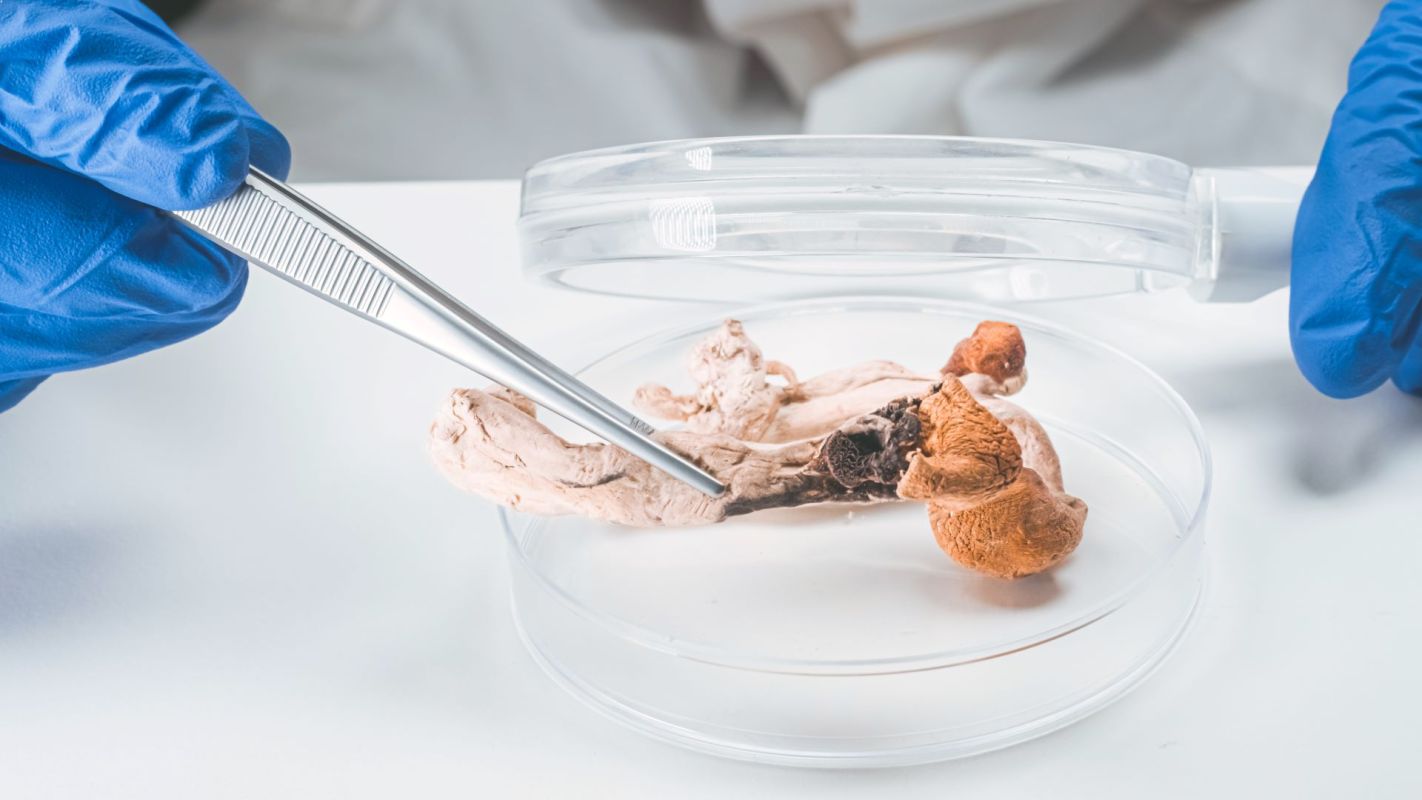
A new scientific breakthrough could see you packaging your food and powering batteries with mushrooms.
Researchers at Empa's Cellulose and Wood Materials laboratory made an innovative discovery about the multipurposes of mushrooms, as reported on by Interesting Engineering. This new material is biodegradable while also being versatile and tear-resistant, without needing to be processed with any harmful chemicals.
Derived from the mycelium of the split-gill mushroom, which is widespread around the UK, the material can power batteries and be used in packaging, but it's completely natural — so much so that you could even eat it.
The mycelium — an underground network of mushroom fibers, similar to roots — could have the potential to revolutionize the future of packaging. It could be a brilliant way to reduce the planet's reliance on plastic to a more eco-friendly, biodegradable material. As well as that, it is an excellent emulsifier, which could prove useful in plant-based cosmetics or foods.
As another avenue of products, more research is being done into the mushroom's ability to be part of sustainable electronics. Researcher Ashutosh Sinha commented, per Interesting Engineering, "We want to produce a compact, biodegradable battery whose electrodes consist of a living 'fungal paper."
Tech advancements such as this are an exciting insight into a cleaner and safer planet. The National Geographic describes the current state of plastic pollution as a "crisis," and it's easy to see why when looking at the harmful impact of animals choking on plastic bags, microplastics getting into food, and the estimated 171 trillion pieces of plastic discarded in the ocean.
TCD Picks » Good Store Spotlight
Get 10% off your next purchase with code TCD10
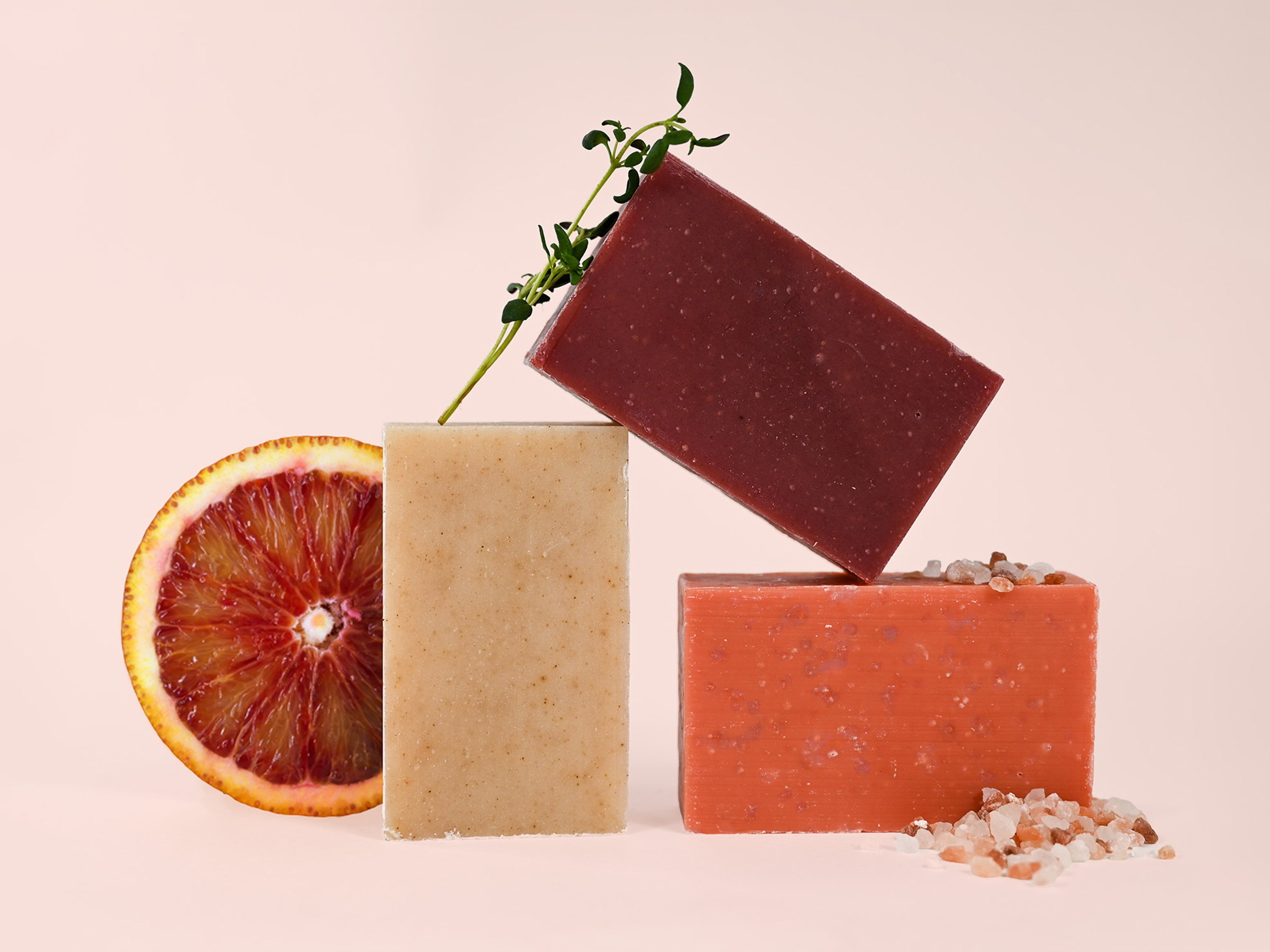
Cutting down on plastic pollution from food packaging by relying on natural solutions, such as mycelium, could have a tangible positive impact on our planet and communities.
Gustav Nyström, head of the Cellulose and Wood Materials lab, commented to Interesting Engineering, "Nature has already developed an optimized system."
Offering one potential use for the material, researcher Sinha added, "Instead of compostable plastic bags, it could be used to make bags that compost the organic waste themselves."
|
Would you live in a house made of fungus? Click your choice to see results and speak your mind. |
 Heck yes 👍
Join our free newsletter for easy tips to save more and waste less, and don't miss this cool list of easy ways to help yourself while helping the planet.
TCD Picks » Quince Spotlight
💡These best-sellers from Quince deliver affordable, sustainable luxury for all