


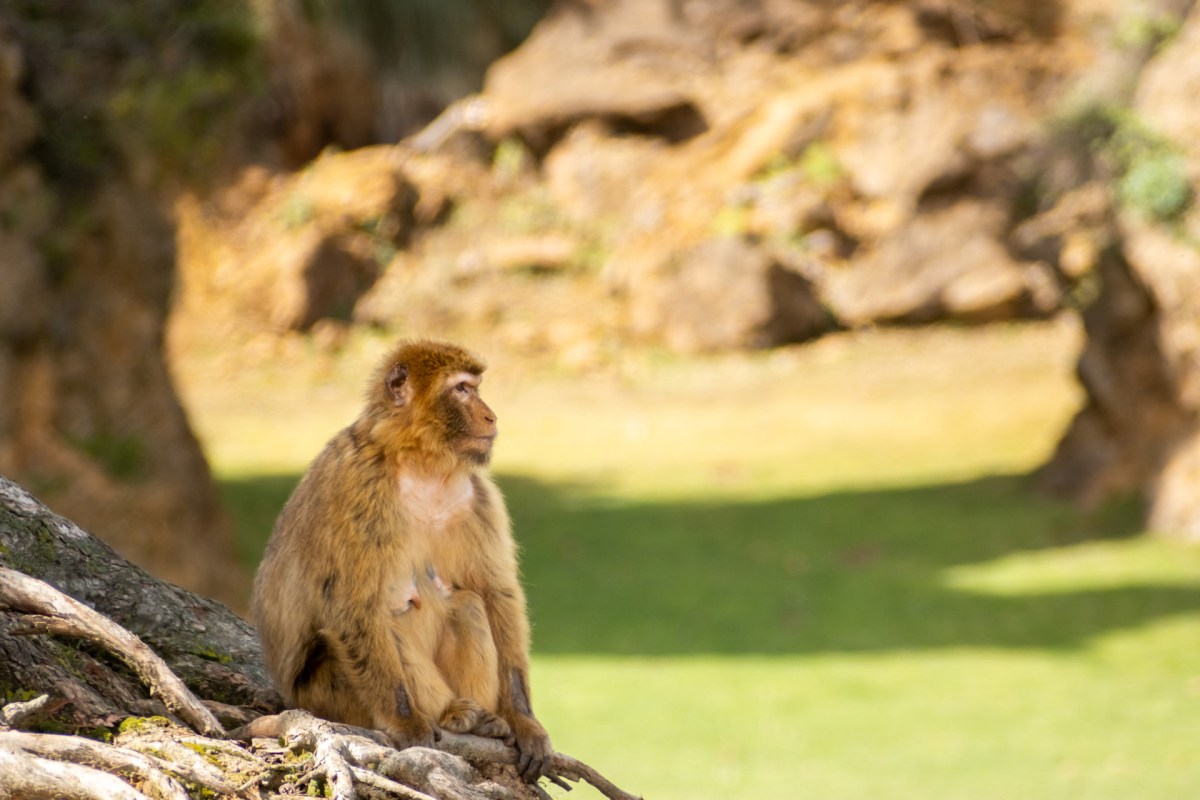
Our well-intentioned desire to feed wildlife is bringing wild monkeys into closer proximity with civilization than ever before, leading to unfortunate run-ins.
What's happening?
According to The Conversation, we humans tend to ignore the "do not feed" signs when it comes to monkeys and other wildlife, especially in tourist hot spots. Once fed, monkeys are increasingly likely to come back for more, bringing themselves into closer contact with humans, often at an unwelcome level.
"Some species like macaques and baboons readily adapt to living in developed areas by foraging in rubbish bins and dumps," the article explained.
Primates in civilized areas are given to begging, stealing, or even displaying violent behavior — often at the risk of transmitting diseases — to obtain human food. It's a pattern that negatively affects humans and monkeys alike; the humans suffer threats to their food, property, and persons, while the monkeys face the ramifications of consuming highly processed, calorie-dense human foods.
Why is unregulated wildlife feeding concerning?
As human communities continue to expand and urbanize at unprecedented rates, the destruction of natural habitats is, unfortunately, becoming more and more common, forcing wildlife species into closer proximity with human civilizations. Even without further encouragement — that is, through habits such as unregulated feeding — human-wildlife encounters are harmful enough to both parties.
In addition to posing threats of violence, disease, and food insecurity, these encounters jeopardize ecosystem stability as a whole. Many primates are keystone species, critical pillars of their respective ecosystems, and act as natural pollinators, ensuring the rejuvenation of the plant systems that sustain both humans and wildlife. Putting primates at risk inevitably compromises the integrity of their native habitats, which, in many cases, act as natural carbon sinks, tempering the onslaught of rising global temperatures, per the United Nations.
TCD Picks » Quince Spotlight
💡These best-sellers from Quince deliver affordable, sustainable luxury for all




What's being done about unregulated wildlife feeding?
At a larger scale, to protect monkeys and other wildlife species from the dangers of human intervention and habitat destruction, wildlife sanctuaries and rehabilitation centers around the world ensure the safety of the animals in their custody.
But to more effectively address the feeding problem, we need to understand why we're inclined to feed wildlife in the first place and address the issue accordingly, according to The Conversation. From religious obligation to casual entertainment, the reasons vary from region to region and community to community, and campaigns to regulate feeding must take the local context into account when moving forward.
"We need to better communicate the negative effects of feeding primates to a wider audience," the article suggested. "We also need to prevent it from becoming an accepted activity, particularly in areas that could prove dangerous to both people and primates, such as roadsides."
|
Do you think our power grid needs to be upgraded? Click your choice to see results and speak your mind. |
 Definitely 👍
Join our free newsletter for good news and useful tips, and don't miss this cool list of easy ways to help yourself while helping the planet.







