


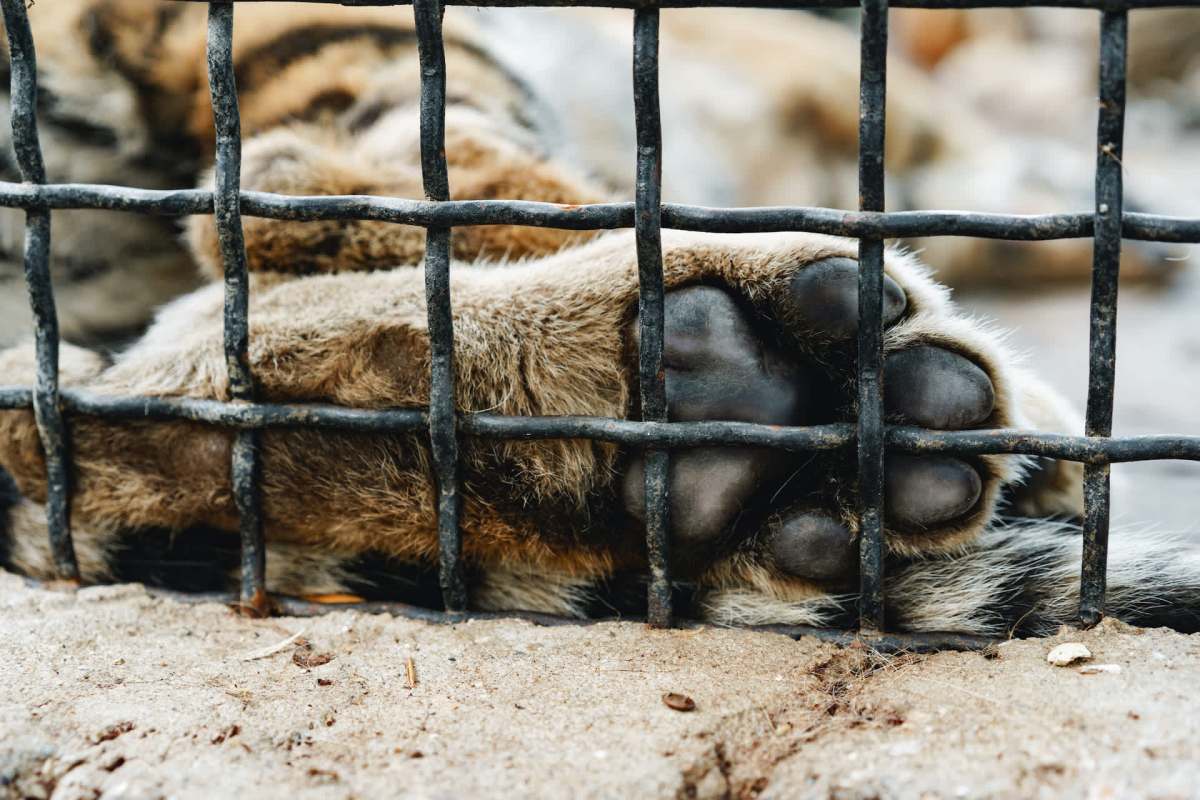
In British Columbia, talks of banning ownership of various exotic and non-domestic cats are in the works, in part due to recent headlines of two escaped servals.
An article by CBC News reports that the ban will cover ocelots and European wildcats, as well as servals, adding them all to the provincial Wildlife Act list, which already has over 1,200 animals labeled as "controlled alien species."
The B.C. Society for the Prevention of Cruelty to Animals (SPCA) has been pushing for legislation regarding exotic cats for over a decade and notes the danger to other animals, humans, and the cats themselves by keeping them captive.
"The vast majority of the public supports exotic animal bans, knowing it is cruel and dangerous to keep wild animals [whether they originate in Canada or other countries] as pets," said Sara Dubois, chief scientific officer for the SPCA, per CBC News.
The culture around capturing and keeping wild animals has shifted substantially in the past few years. With docuseries like Tiger King and Chimp Crazy bringing to light the sinister side of keeping wildlife in homes or enclosures, opposed to letting them roam free, governments around the world are making changes, much like British Columbia.
Recently, the New York State Senate passed a set of anti-animal cruelty laws, including ones that expand the definition of exotic and wild animals, keeping species from being kept as pets. Meanwhile, South Carolina is imposing similar bans on keeping wild and exotic pets in response to a man being hospitalized by a venomous snake from his collection.
TCD Picks » Quince Spotlight
💡These best-sellers from Quince deliver affordable, sustainable luxury for all




The B.C ban also lines up with negative headlines about wild cats being kept on a rural property.
"The recent escape of two servals in the Regional District of Nanaimo was shocking for the community, but sadly it was not surprising to us," SPCA's Dubois said, via CBC News. "Despite being born in captivity, these exotic cats are not domestic animals, as domestication takes thousands of years of breeding to achieve," she concluded.
Real wildlife lovers know that wild animals are treated best by being left alone. By letting wild or exotic species exist in their natural environment, without human intervention, they can be protected from a decreased quality of life and kept safe from having to be euthanized in the event that the wild animal acts like a wild animal.
|
Should the U.S. government ban all products tested on animals?
Click your choice to see results and speak your mind. |
 Absolutely 👍
Join our free newsletter for good news and useful tips, and don't miss this cool list of easy ways to help yourself while helping the planet.







