


Wildlife conservation is often viewed through the lens of the present or future, but a recent Country Life retrospective provided a fascinating look into the stunning rebound of the peregrine falcon in the United Kingdom.
As a species, the peregrine falcon can be found on every continent except Antarctica. Long before hashtags and social media awareness campaigns existed, their population numbers started to dwindle, quietly and precipitously.
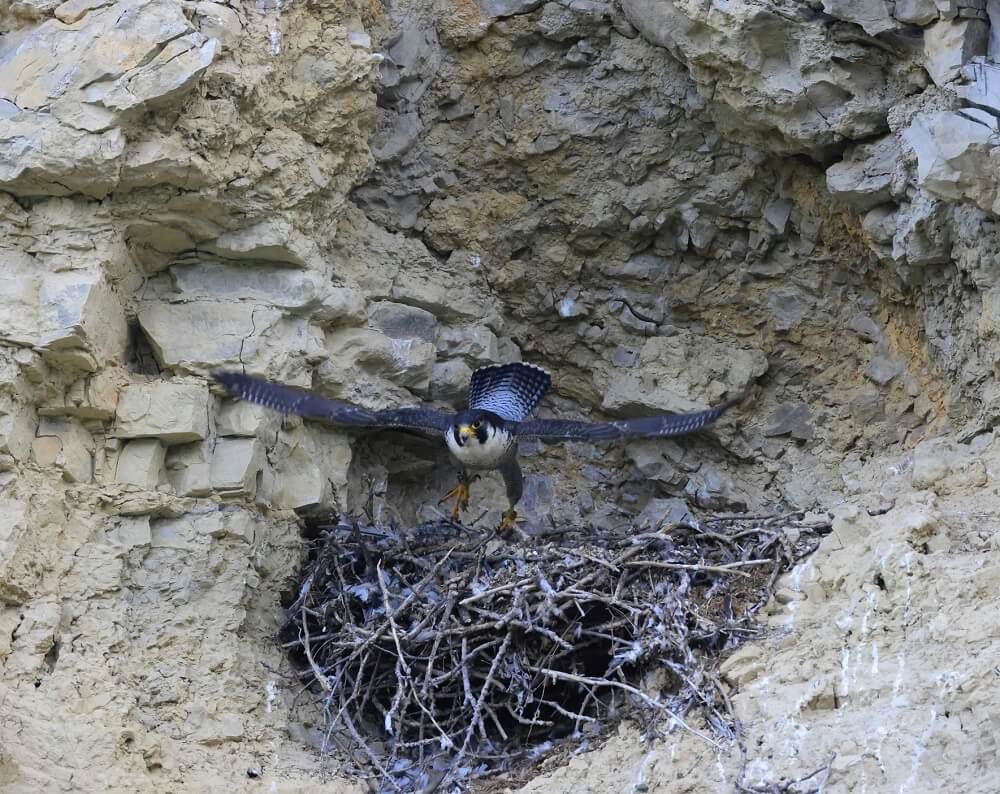
In the late 1950s, famed British conservationist Derek Ratcliffe observed what looked to be a sharp and rather abrupt decline in peregrine falcon activity near his home, including abandoned nests. Other birdwatchers had noticed the same ominous signals of a flagging population.
Ratcliffe's May 2005 obituary in the Guardian recapped what followed, which ultimately became a blockbuster conservation success story.
In the early 1960s, Ratcliffe participated in fieldwork with the British Trust for Ornithology, work that ultimately uncovered an "environmental catastrophe" in progress — he later wrote that the peregrine falcon was in the midst "of a headlong crash almost countrywide."
As Country Life observed, Ratcliffe's observation and the critical fieldwork and research that ensued ultimately discovered a specific cause for the decline of the peregrine falcon population: agrochemical poisoning.
TCD Picks » Quince Spotlight
💡These best-sellers from Quince deliver affordable, sustainable luxury for all




Today, Ratcliffe's work and the research that resulted from it are largely credited with restoring peregrine falcon numbers and for banning the pesticides that pushed the species to near-extinction in the United Kingdom.
Country Life described the raptor's rebound as one of Britain's largest environmental and conservation achievements, noting it remained "possible that peregrines have never been more successful in this country since the Middle Ages."
It's true that successful efforts to both identify what was driving the peregrine falcon to extinction and put a stop to those practices are impressive today, but that efficacy is also instructive with the passage of time.
The impact of efforts to protect the peregrine falcon is now evident worldwide. In late May, the Associated Press profiled urban populations of the species in the United States, mentioning that they "came off the federal endangered species list in 1999."
Today, peregrine falcon populations are thriving in the United Kingdom, and in late June, a wildlife charity told the BBC there'd been an "unprecedented influx" of juvenile falcons in 2025.
|
Do you think America does a good job of protecting its natural beauty? Click your choice to see results and speak your mind. |
 Definitely 👍
Join our free newsletter for good news and useful tips, and don't miss this cool list of easy ways to help yourself while helping the planet.







