


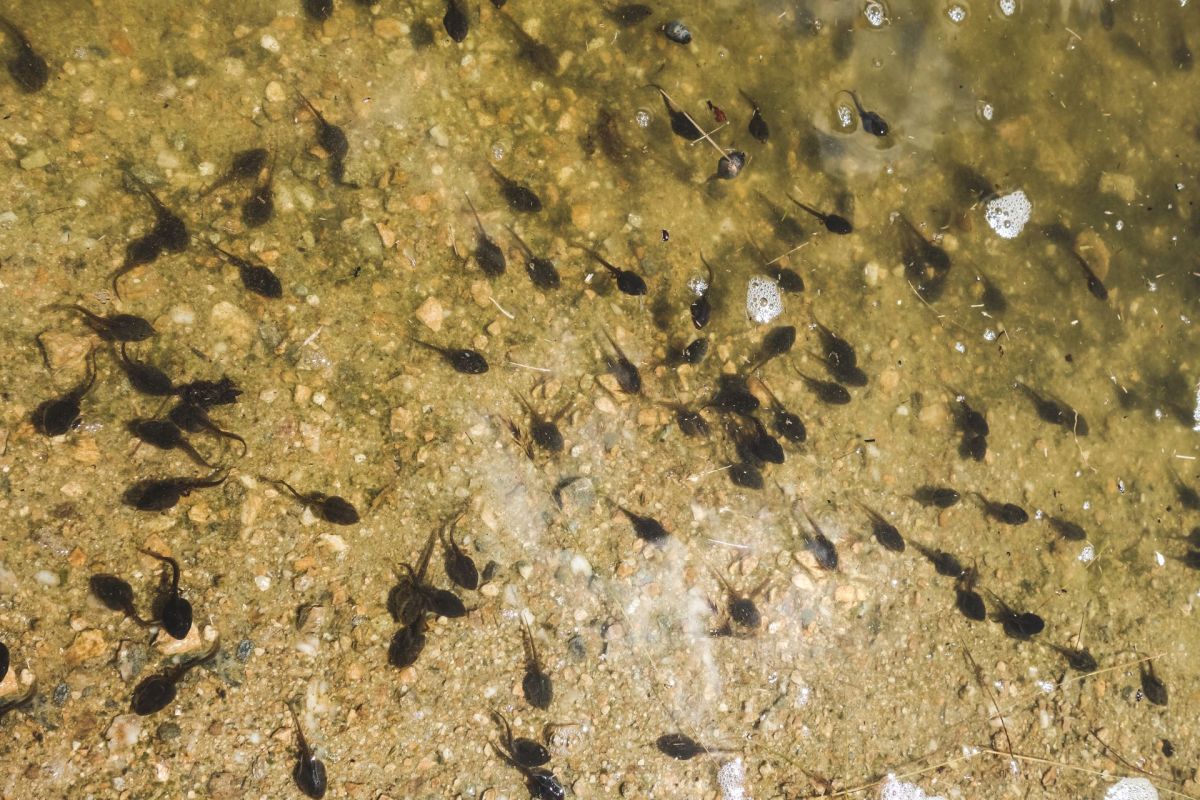
As humanity spreads across more of the globe, urban areas sprawl out and push the wild areas of the world further back. Some creatures retreat into the forest and fields, but others adapt to city life in surprising ways.
A recent report from the Smithsonian Tropical Research Institute, shared on Phys.org, detailed how túngara frog tadpoles respond to being spawned in urban areas.
What's happening?
According to the recent study, published in the Journal of Animal Ecology, túngara frogs lay their eggs in both forests and urban puddles. The ones in the puddles have less space, and the water is warmer, likely thanks to the urban heat island effect, but they have fewer predators to contend with.
The surprising result is that the tadpoles in the cities develop faster but stay much smaller than their counterparts in the forest. This may partly explain why adult frogs in the cities are also smaller.
This difference isn't genetic; researchers were able to reproduce the size change using eggs from both locations. They also noted differences in how tadpoles from each location respond to the simulated approach of predators.
Why is the difference in tadpole size and behavior important?
Human activity can have a profound effect on the behavior and well-being of a species. The construction of human homes and other buildings can destroy habitats, alter the food web in a location, introduce lights that may confuse animals and change their behavior, produce pollution, introduce garbage and unfamiliar food sources, produce hazards like traffic, and stress or frighten animals.
TCD Picks » Quince Spotlight
💡These best-sellers from Quince deliver affordable, sustainable luxury for all




With all of these factors, urbanization can easily lead to the decline of a species. Even when a species persists, its characteristics or behavior may be changed.
What's being done about the effects of urbanization?
The more we learn about how different animals respond to the environmental changes that come with urbanization, the better equipped we are to respond. By studying the impact of urban environments on a species, conservationists can gain insights that will help them protect that same species in the future and may even learn ways to help multiple species.
"Better predicting how cities impact species can help us create mitigation efforts to reduce the negative effects of urbanization," said researcher Andrew Cronin, per the Smithsonian Tropical Research Institute.
|
Do you worry about air pollution in your town? Click your choice to see results and speak your mind. |
 All the time 💯
Join our free newsletter for good news and useful tips, and don't miss this cool list of easy ways to help yourself while helping the planet.







