


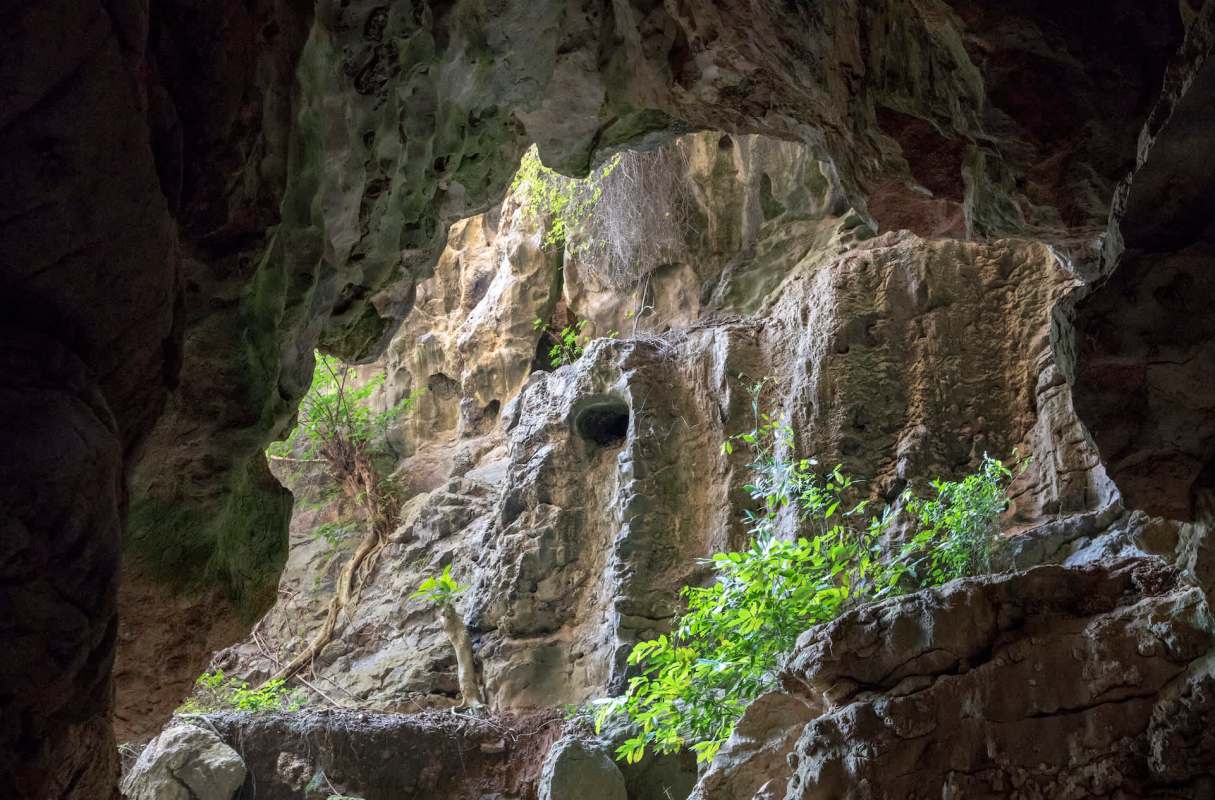
During a survey of wildlife in Battambang Province, western Cambodia, previously undiscovered gecko species were unearthed.
The researchers who conducted the study suspect the area holds many more exciting secrets.
According to Flora & Fauna, the scientists surveyed karst formations in the province to find multiple populations of geckos.
In simple terms, a karst is a landscape formed when water dissolves soluble rocks such as limestone. It is characterized by sinkholes, caverns, caves, and springs.
They're found all over the world; 40% of the groundwater used for drinking in the United States comes from karst aquifers, per the U.S. Geological Survey.
Southeast Asia boasts more karst habitats than anywhere else on the planet, according to Myanmar Biodiversity Zone, and these landscapes contain a trove of unique species.
TCD Picks » Quince Spotlight
💡These best-sellers from Quince deliver affordable, sustainable luxury for all




The newly identified gecko species was dubbed the Kamping Poi bent-toed gecko, and four distinct populations were discovered in the province. Due to their isolation and separate evolutionary trajectory, the study, published in the journal ZooKeys, argues that each one could be treated as its own species.
"Because the newly discovered populations are separated by many kilometres of uninhabitable terrain, migration between the karst formations is extremely unlikely," Fauna & Flora observed.
New plant and animal species, like the bent-toed gecko, are discovered all the time. For example, a new flower species was found in Guinea in 2022, and 16 new species of grasshoppers were chartered in the United States and Mexico.
While exciting, these discoveries also raise essential conservation questions. In the gecko's case, they are especially vulnerable to habitat destruction through quarrying practices, legal or otherwise. Some of the areas surveyed already enjoy protections as important places of Buddhist worship, but others are vulnerable.
|
Do you think America does a good job of protecting its natural beauty? Click your choice to see results and speak your mind. |
 Definitely 👍
 As The New York Times reported in 2017, researchers face a race against time to document the species in the karst formations before they're lost for good.
The story highlights the importance of staying informed about key climate issues and underscores the crucial role of local action in conservation efforts. Ultimately, the paper calls for further research into these largely unexplored formations.
"Intensive biodiversity systematic surveys of all these formations is paramount to underpin measures of protection for this portion of Cambodia's natural heritage," the research paper read.

Join our free newsletter for good news and useful tips, and don't miss this cool list of easy ways to help yourself while helping the planet.







