


Efforts to restore a lost species to its native range in Washington reached a crucial milestone with the birth of a litter of lynx kittens, the first in forty years.
According to Source One, the kittens were born in the Kettle Range of Ferry County as part of a five-year program to reintroduce the Canada Lynx in the area. The effort is being overseen by the Colville Confederated Tribes' Fish and Wildlife (CTFW) Department. The tribal council said in a statement:
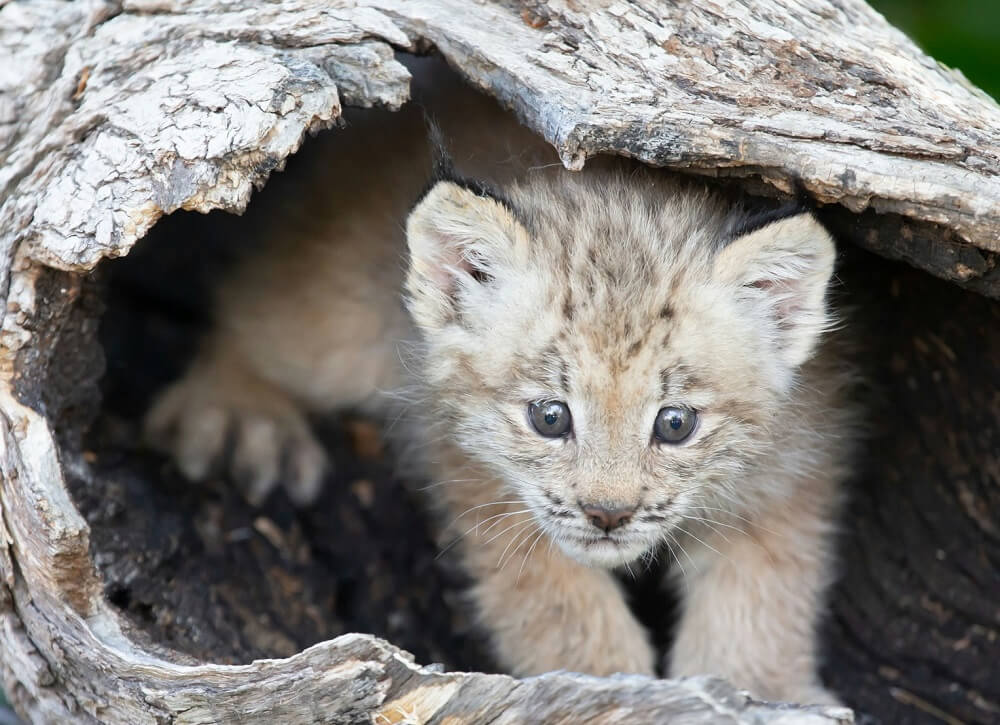
"This momentous news is the culmination of years of work by a dedicated group of biologists committed to returning wápupxn to this area."
Wápupxn is the Colville dialect's name for the animal. The restoration program works to capture lynx in Canada and release them into the wild in the Colville Indian Reservation. The project began in 2021, and the first batch of lynx was set loose in February 2022. Up to fifty wild lynx will be relocated from Canada over the project's lifetime. As the program's website notes, the aim is to "establish a stable, reproductive population of Canada lynx."
The Canada lynx was once common throughout North America. Overhunting and habitat destruction have led to its numbers dwindling to a few isolated pockets in the lower 48 states, according to the US Fish & Wildlife Service.
Like its European cousin, the lynx fulfills an important ecological role as a top predator. The lynx protects the ecosystem by not only directly controlling the population of herbivores but also indirectly. Lynx mark their presence with scent markers and drive away grazing animals from specific areas, which Rewilding Britain terms "the ecology of fear."
TCD Picks » Quince Spotlight
💡These best-sellers from Quince deliver affordable, sustainable luxury for all




Restoring a species to an area it once roamed is a lengthy and challenging process that doesn't go smoothly. Indeed, some of the captured lynx under the project have returned to Canada, but the results more than justify the effort. By harnessing local tribal expertise and raising awareness, the wápupxn could eventually become a permanent fixture in Colville once more.
Restoring the lynx to Washington is not just about maintaining biodiversity; it's also about righting a historic wrong. Tribal council member Jarred-Michael Erikson told Inlander, "It's getting those rare forest carnivores back on the landscape, righting a wrong that was done."
|
Do you think America does a good job of protecting its natural beauty? Click your choice to see results and speak your mind. |
 Definitely 👍
Join our free newsletter for good news and useful tips, and don't miss this cool list of easy ways to help yourself while helping the planet.







