


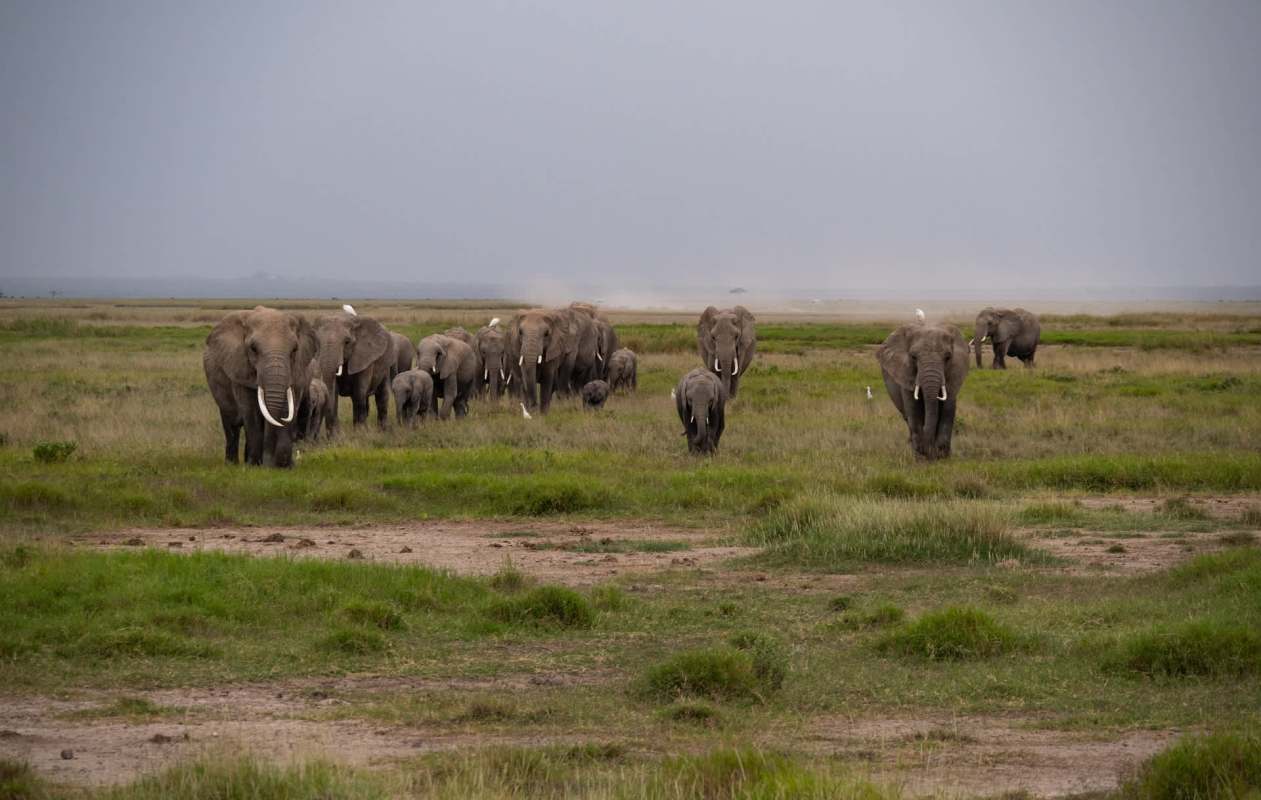
Environmental advocates are sounding the alarm after a joint endeavor to clean up litter along a crucial elephant migration corridor in India revealed a shocking volume of waste. Their findings could have ripple effects beyond the immediate threat to the endangered creatures.
What's happening?
In early June, The Sentinel reported that volunteers with the Assam chapter of the Midway Journey, Northeast Narrative, and Green Bud NGO in Digboi were disheartened when they discovered "unchecked pollution" in both populated and ecologically sensitive areas. This included the Bogapani Forest Reserve, part of Asia's largest elephant corridor.
"What we found here was not just plastic. We found medical waste, sanitary pads, e-waste, and alcohol bottles littered throughout a wildlife passage," said Devajit Moran, the Founder of Green Bud Society, Digboi.
Why is this important?
Asian elephants are important cultural icons in India and other parts of Asia. Unfortunately, they are endangered, with habitat loss a major contributing factor, as the World Wildlife Fund explains.
Wildlife corridors are one effective way to help ensure elephants (and other creatures) continue to thrive. This not only benefits wildlife but also local communities, limiting the potential for human-animal conflict and supporting biodiversity.
In the case of elephants, they act as ecosystem engineers, spreading seeds through their droppings and enriching soil for agriculture.
TCD Picks » Quince Spotlight
💡These best-sellers from Quince deliver affordable, sustainable luxury for all




However, the waste found in the elephant corridor could render the efforts to support the highly social creatures moot — or at least drastically reduce their effectiveness.
"This isn't just pollution but a threat to biodiversity and a violation of environmental norms," said Rudrangshu Roy and Subradip Nath, Board of Directors of Northeast Narrative, in a statement to The Sentinel. Roy added that the findings amounted to a "systemic failure" in managing waste.
What's being done about this?
The discovery in the elephant corridor, undertaken in Assam as an offshoot of The Himalayan Cleanup Campaign, was unsettling. Yet the data-driven cleanup initiative also provided fuel to help organizations push for change and hold corporations accountable.
Tighter waste regulations and a transition to sustainable packaging, particularly by avoiding plastic — which can take generations to decompose — are among the recommended actions.
"This is not just about cleaning up the trash — it's about demanding a switch in the way we consume, produce, and manage waste," Trinayan Gogoi, a senior NGO activist, told The Sentinel, also thanking the Digboi Forest Department for its logistical support during the cleanup.
|
Do you think America does a good job of protecting its natural beauty? Click your choice to see results and speak your mind. |
 Definitely 👍
Join our free newsletter for good news and useful tips, and don't miss this cool list of easy ways to help yourself while helping the planet.







